
the ten most dangerous creatures on earth
"Exploring the Top 10 Most Feared and Dangerous Creatures on the Planet"
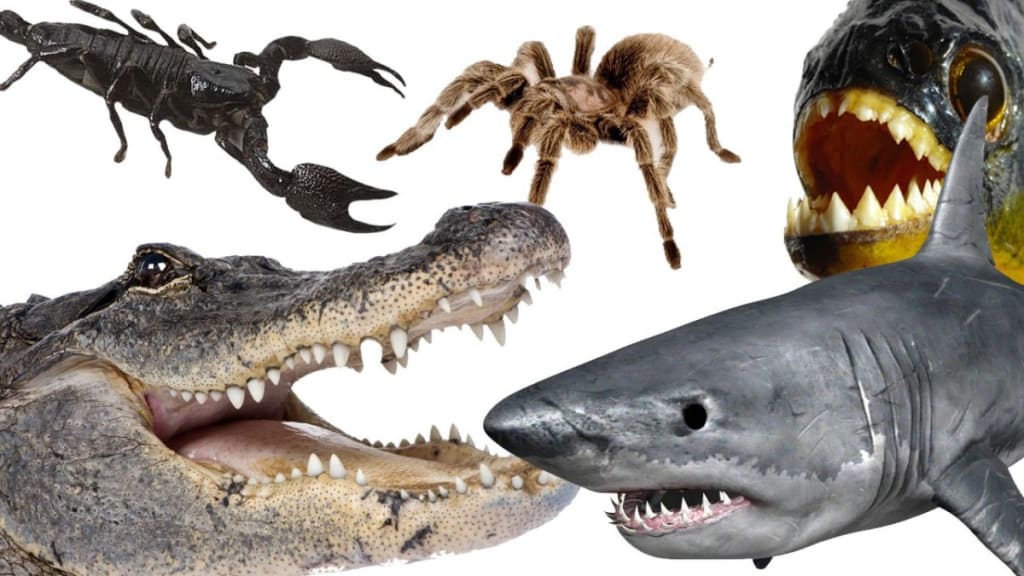
"Nature is full of fascinating and beautiful creatures, but some of them can also be deadly. From tiny insects to massive mammals, the world is home to many species that pose a threat to human life. In this article, we'll take a look at ten of the most dangerous creatures on earth and find out why they are so lethal. From the box jellyfish to the saltwater crocodile, these creatures have caused countless fatalities over the years and continue to be a threat to those who encounter them. So, whether you're a seasoned adventurer or simply enjoy learning about the natural world, this article is for you."
1. Mosquitoes: Mosquitoes are responsible for more human deaths annually than any other creature, due to their ability to transmit diseases such as malaria, dengue fever, and yellow fever.
Mosquitoes are one of the most dangerous creatures on Earth due to their ability to transmit diseases such as malaria, dengue fever, and yellow fever. Malaria is one of the leading causes of death globally, killing an estimated 435,000 people in 2017. Dengue fever is another disease transmitted by mosquitoes and is found in over 100 countries, affecting around 390 million people each year. Yellow fever, which is also transmitted by mosquitoes, is a viral illness that can cause serious symptoms and death, especially in people with weakened immune systems.
Mosquitoes are able to transmit diseases because they feed on the blood of humans and other animals, and in doing so, they can pick up and spread viruses and parasites. Mosquitoes are also capable of quickly adapting to new environments and spreading diseases to new regions, making it difficult to control and prevent outbreaks.
To reduce the risk of mosquito-borne diseases, it is important to take preventative measures such as using insect repellent, wearing protective clothing, and sleeping under a bed net. Additionally, controlling mosquito populations through measures such as reducing standing water where mosquitoes breed, using insecticide-treated bed nets, and using indoor residual spraying can also help reduce the spread of these diseases.
2. Box jellyfish: The box jellyfish is one of the most venomous creatures in the world, capable of killing a human in just a few minutes.
The box jellyfish (Chironex fleckeri) is one of the most venomous creatures in the world and is found in the waters of the Indo-Pacific region. It is named after its distinctive box-like shape, which is formed by its bell-shaped body and long, slender tentacles. The box jellyfish is capable of rapid movement, and it is estimated that it can swim at speeds of up to 4 knots (about 4.5 miles per hour).
The box jellyfish's stride is a result of its unique anatomy and the powerful contractions of its bell-shaped body. The bell-shaped body of the box jellyfish acts as a type of "paddle," allowing it to quickly move through the water and quickly escape from danger. The tentacles of the box jellyfish are covered in thousands of tiny stinging cells, known as nematocysts, which contain a highly toxic venom that is capable of killing a human in just a few minutes. The tentacles are used to capture prey and to defend against potential threats.
The rapid movement and powerful sting of the box jellyfish make it one of the most dangerous creatures in the ocean. It is important to take caution when swimming in waters where box jellyfish are known to inhabit and to seek immediate medical attention if stung. Additionally, wearing protective clothing and using a vinegar solution to deactivate the nematocysts can help reduce the risk of a sting and its associated effects.
3. Saltwater crocodile: The saltwater crocodile is the largest living reptile and is responsible for more human deaths annually than any other reptile.
The saltwater crocodile (Crocodylus porosus) is the largest living reptile and is found in the coastal areas of the Indo-Pacific region, from northern Australia to Southeast Asia. It is a powerful predator that is capable of growing up to 6 meters (20 feet) in length and weighing over 1,000 kilograms (2,200 pounds).
The saltwater crocodile is responsible for more human deaths annually than any other reptile, and attacks on humans can be extremely dangerous and often result in serious injury or death. The saltwater crocodile is a highly skilled hunter and is known for its ability to ambush its prey and drag it into the water, where it is held under until it drowns. Its powerful jaws and sharp teeth make it capable of crushing and tearing even the toughest of prey.
The saltwater crocodile is also known for its ability to tolerate saltwater, allowing it to live in a variety of environments, including rivers, estuaries, and mangrove swamps. It is also known for its ability to tolerate extreme temperatures and to live in both fresh and saltwater environments.
To reduce the risk of an attack by a saltwater crocodile, it is important to take caution when swimming or fishing in waters where saltwater crocodiles are known to inhabit. Additionally, avoiding swimming in areas where crocodiles are known to be present and staying clear of the water's edge can also help reduce the risk of an attack. It is also important to be aware of the local conditions and to follow any warning signs or safety guidelines that may be posted in the area.
4. African elephant: African elephants are the largest land animals and are responsible for hundreds of human deaths each year.
The African elephant (Loxodonta africana) is the largest land animal in the world and is found in the savannas, forests, and deserts of Africa. While African elephants are not typically aggressive towards humans, they can pose a serious threat when they feel threatened or when their natural habitats are disrupted.
African elephants are powerful animals that are capable of causing significant damage and injury when they become agitated or defensive. They are known for their large size, strength, and sharp tusks, which they use for self-defense and foraging. If an African elephant feels threatened, it may charge at a perceived threat and use its tusks to attack, causing serious injury or death.
In addition to their physical strength, African elephants are also known for their intelligence and their ability to remember past events and interactions. This intelligence can sometimes lead to elephants becoming habituated to humans and losing their natural fear, which can increase the risk of an attack.
To reduce the risk of an encounter with an African elephant, it is important to respect the animal's space and to avoid getting too close. Additionally, it is important to be aware of the local conditions and to follow any warning signs or safety guidelines that may be posted in the area. If you do encounter an African elephant, it is important to remain calm and to slowly and steadily move away from the animal, avoiding any sudden movements that may agitate it.
5. Cape buffalo: The Cape buffalo is responsible for killing more hunters on the African continent than any other large animal.
The Cape buffalo, also known as the African buffalo, is one of the most dangerous and unpredictable animals in Africa. Despite their slow and lumbering appearance, they can be extremely aggressive and dangerous when they feel threatened or cornered.
One of the biggest dangers posed by Cape buffalos is their size and strength. These animals can weigh over a thousand pounds and have powerful horns that can be used to gore and kill predators and humans alike. They are known to attack and kill hunters, wildlife photographers, and tourists who get too close to them.
Another danger of Cape buffalos is their unpredictable behavior. They are social animals that live in herds, and when one buffalo is threatened, the entire herd can turn on the perceived threat and attack. This can make it difficult for hunters, tourists, and wildlife experts to approach them safely.
Lastly, Cape buffalos are known to be carriers of diseases such as bovine tuberculosis, which can be transmitted to both humans and other animals. This makes it important for people to avoid contact with sick or injured buffalos and to take precautions when handling buffalo meat or other products.
In conclusion, Cape buffalos are highly dangerous animals that should be approached with caution and respect. It is important to understand their behavior and to be prepared for their unpredictable reactions to ensure your own safety when in their presence.
6. Lion: Lions are responsible for hundreds of human deaths each year, and attacks on humans are increasing in frequency as the population of lions continues to decline.
Lions are considered dangerous to humans and animals due to their strength and predatory nature. They are apex predators at the top of the food chain and are capable of hunting and killing large prey such as buffalo, giraffes, and even elephants. Humans who encounter lions in the wild, especially those who venture too close to their cubs or a pride's food, may be attacked and injured or killed. It's important to remember that lions are wild animals and should be respected and appreciated from a safe distance.
7. Great white shark: Great white sharks are responsible for more human deaths annually than any other shark species, and are responsible for the majority of shark-related fatalities.
Great White Sharks are considered to be one of the most dangerous species of shark due to their size and predatory behavior. They are known to attack humans and can cause serious injury or death. However, it is important to note that such incidents are rare and Great White Sharks are generally not considered to be a threat to humans unless provoked or disturbed. To minimize the risk of shark attacks, it is recommended to swim in designated areas, avoid being in the water during dawn, dusk, and night when the visibility is poor and shark activity is highest, and to avoid wearing high-contrast swimwear that may resemble the color of prey.
8. Stonefish: The stonefish is the most venomous fish in the world, and its venom can cause paralysis and death in just a few hours.
Stonefish are one of the most venomous fish in the world, and their stings can cause serious harm to humans. The venom from a stonefish sting can cause intense pain, swelling, and can lead to paralysis, cardiac arrest, and even death if not treated promptly and properly. It is important to be cautious and aware when swimming in areas where stonefish may be present, and to seek immediate medical attention if stung.
9. Deathstalker scorpion: The deathstalker scorpion is one of the most venomous scorpions in the world, and its venom can cause severe pain and death in humans.
The Deathstalker scorpion (Leiurus quinquestriatus) is a venomous species of scorpion commonly found in North Africa and the Middle East. Its sting can cause a variety of symptoms, including severe pain, vomiting, excessive sweating, and in severe cases, paralysis and death. However, deaths from Deathstalker scorpion stings are relatively rare, and most people recover fully with proper medical treatment. It is important to seek immediate medical attention if you suspect you have been stung by a Deathstalker scorpion.
10. Cone snail: The cone snail is a venomous snail that is responsible for several human deaths each year, and its venom can cause paralysis and death in just a few hours.
Cone snails are a group of predatory sea snails that are known for their beautiful and colorful shells. However, some species of cone snails are highly venomous and can pose a serious threat to humans. The venom of a cone snail contains a mixture of toxic compounds that can cause paralysis, heart failure, and death. It is estimated that there have been more than 30 recorded human fatalities due to cone snail stings. It is important to handle cone snails with caution and to seek immediate medical attention if stung.
These ten creatures are among the most dangerous on Earth, and it is important to respect their power and treat them with caution. Many of these creatures can be dangerous in certain circumstances, and it is important to understand the risks and take steps to minimize the likelihood of an attack.
About the Creator
ahmed zaki
I am a talented and insightful essayist, with a passion for capturing the intricacies of life in her own words.
Keep reading
More stories from ahmed zaki and writers in Horror and other communities.
The CEO of Everything
They say "jack of all trades, master of none," but they forgot to mention the part where the jack of all trades is also the camera woman, the makeup artist, and the person currently yelling at a tangled Wii microphone cable in a her own bathroom while recording herself singing and trying to make it look realistic and professional. (As professional as you can make it with nothing but a cell phone camera and a mic that doesn't work)
By Sara Wilson6 days ago in Humans




Comments
There are no comments for this story
Be the first to respond and start the conversation.