
The Silent Child
He never spoke until it was too late.

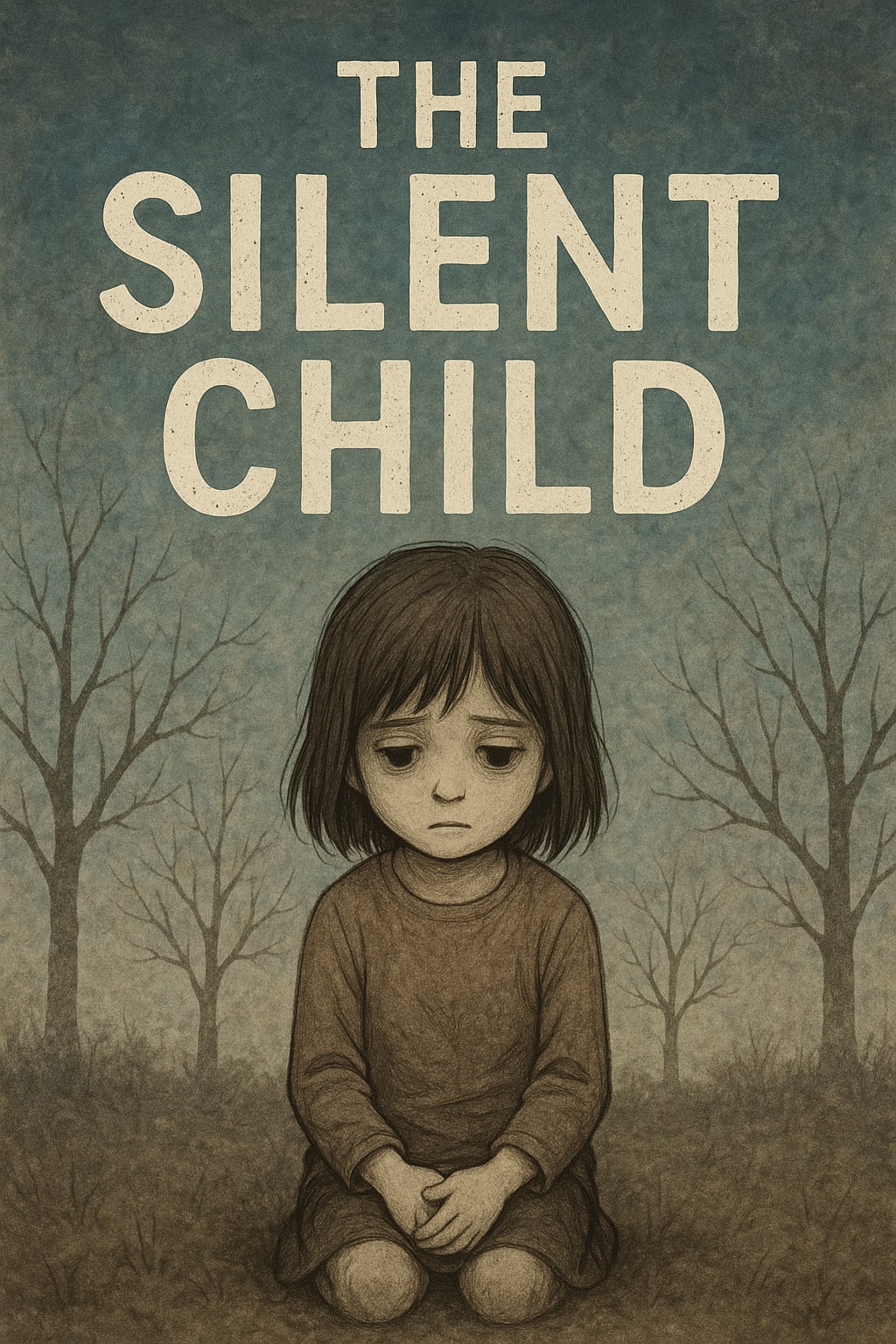
The Silent Child
No one knew where she came from.
One crisp October morning, she was just there—sitting on the rusted swing behind St. Elora’s Orphanage, barefoot, pale, with wide blue eyes and a navy dress that looked decades old.
She didn’t speak. Didn’t cry. Didn’t smile.
Sister Miriam was the first to find her. “Sweetheart, are you lost?” she asked gently.
The girl didn’t answer. Just stared, unmoving. Not scared. Not sad. Just… still. As if she’d always been there.
They called her Eira, meaning “snow”—because she arrived quietly, suddenly, and nothing felt the same afterward.
No missing persons reports matched her description. No fingerprints in any database. She had no scars, no bruises, no name.
But something about her felt ancient. And far too quiet.
The first strange thing happened that night.
The hallway lights flickered nonstop. The thermostat dropped below freezing even though the heat was on. And several children woke screaming, unable to explain why—just that they’d heard humming in the dark. A lullaby none of them had ever learned.
Eira, however, slept peacefully. Not a sound. Not a stir.
She didn’t talk, eat much, or react to anything. But children started whispering. About the way her eyes followed people too long. About how pets refused to go near her. About how mirrors near her room often cracked on their own.
One day, a boy named Toby—the orphanage bully—snatched a toy out of her hands. “What’s the matter? Cat got your tongue?” he teased.
She didn’t blink.
So he threw a ball at her face.
It never reached her.
The ball stopped mid-air. Frozen. As if the air had turned solid. Then it dropped to the floor, soundless.
Toby screamed. The next morning, he couldn’t speak. No physical damage. No medical reason. But he never uttered a word again.
Dr. Halbridge, a child psychologist, was called in. For weeks, he visited her. Showed her pictures. Played soft music. Sat in silence with her.
“She’s not autistic,” he said eventually. “Not traumatized in the traditional sense. I think she’s remembering something that none of us are meant to understand.”
Then came the fire.
Lightning hit the chapel’s roof late one stormy night. Flames spread fast. The old building groaned and cracked. Smoke choked the halls.
Children screamed. Staff searched desperately.
But no one could find Eira.
Until they heard her.
Not screaming—but singing.
A soft lullaby floated down the stairwell. The same tune the children had dreamed of.
They followed it to the top floor. And there she was—standing calmly amid
The Silent Child
No one knew where she came from.
One crisp October morning, she was just there—sitting on the rusted swing behind St. Elora’s Orphanage, barefoot, pale, with wide blue eyes and a navy dress that looked decades old.
She didn’t speak. Didn’t cry. Didn’t smile.
Sister Miriam was the first to find her. “Sweetheart, are you lost?” she asked gently.
The girl didn’t answer. Just stared, unmoving. Not scared. Not sad. Just… still. As if she’d always been there.
They called her Eira, meaning “snow”—because she arrived quietly, suddenly, and nothing felt the same afterward.
No missing persons reports matched her description. No fingerprints in any database. She had no scars, no bruises, no name.
But something about her felt ancient. And far too quiet.
The first strange thing happened that night.
The hallway lights flickered nonstop. The thermostat dropped below freezing even though the heat was on. And several children woke screaming, unable to explain why—just that they’d heard humming in the dark. A lullaby none of them had ever learned.
Eira, however, slept peacefully. Not a sound. Not a stir.
She didn’t talk, eat much, or react to anything. But children started whispering. About the way her eyes followed people too long. About how pets refused to go near her. About how mirrors near her room often cracked on their own.
About the Creator
Keep reading
More stories from Mr Haris Khan and writers in Horror and other communities.
Don't Answer the Third Knock
Don't Answer the Third Knock It started with a whisper. Emily had just moved into the old cabin nestled deep in the Appalachian woods, far away from the digital noise of city life. The locals were friendly enough—gruff, but warm. They offered her mason jars full of moonshine and warm warnings laced with Southern charm.
By Mr Haris Khan11 months ago in Horror
"Scream 7" (2026): Running out of Fresh Screams
This is the seventh time we’ve had a Ghostface crisis. Scream 7 is the latest edition of the Scream franchise. Sydney Prescott and her family are under attack by another anonymous killer dressed in a Ghostface costume. While having issues with her daughter, Tatum, they run from the bloody murders, trying to determine who is behind it all.
By Marielle Sabbag3 days ago in Horror


Comments
There are no comments for this story
Be the first to respond and start the conversation.