
The Shadows of Fear: Exploring the Depths of Horror
A Journey into the Darkest Corners of the Human Psyche
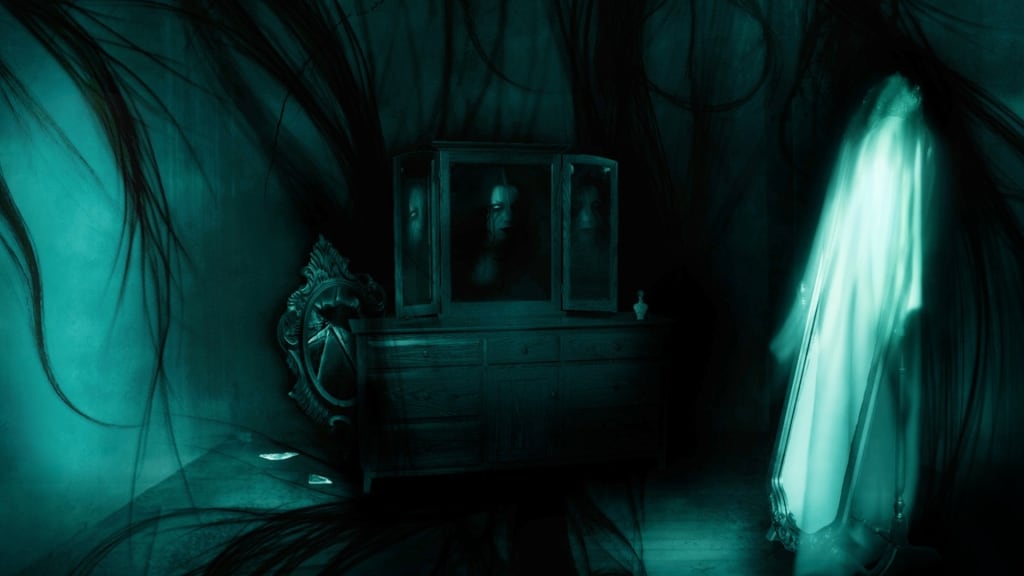
Horror, a genre that has fascinated and terrified audiences for centuries, continues to captivate with its ability to evoke fear and unease. From ancient folklore to modern cinema, horror has evolved, reflecting societal fears and anxieties. In this article, we delve into the world of horror, exploring its origins, evolution, psychology, and enduring popularity.
The Origins of Horror: From Folklore to Fiction
The roots of horror can be traced back to ancient folklore and mythology, where stories of monsters, demons, and supernatural beings were used to explain the unknown. These tales served as cautionary tales, warning people of the dangers that lurked in the darkness. As storytelling evolved, horror found its way into written fiction.
One of the earliest examples of horror fiction is Mary Shelley's "Frankenstein," published in 1818. The novel, which explores themes of life and death, morality, and the consequences of playing god, laid the foundation for the modern horror genre. Since then, horror literature has continued to evolve, with authors like Edgar Allan Poe, H.P. Lovecraft, and Stephen King pushing the boundaries of the genre.
The Evolution of Horror: From Gothic to Gore
Horror has taken on many forms over the years, from the gothic tales of the 19th century to the splatter films of the 20th century. Each era has brought its own unique style and themes to the genre, reflecting the fears and anxieties of society at the time.
In the early 20th century, horror cinema came into its own with films like "Nosferatu" and "Dracula," which introduced audiences to the world of vampires and the supernatural. These films laid the groundwork for the horror films that would follow, setting the stage for classics like "Psycho," "The Exorcist," and "Halloween."
In recent years, horror has undergone a resurgence, with films like "Get Out," "Hereditary," and "The Babadook" redefining the genre. These films have pushed the boundaries of what is considered horror, exploring complex themes like race, grief, and mental illness.
The Psychology of Fear: Why We Love to Be Scared
But why do we love horror? Psychologists believe that horror appeals to our primal instincts, tapping into our innate fear response. When we watch a horror film or read a scary story, our bodies release adrenaline, triggering a fight-or-flight response that makes us feel alive.
Furthermore, horror allows us to confront our fears in a safe environment. By experiencing fear in a controlled setting, we can learn to manage our anxiety and develop coping mechanisms for dealing with real-life threats.
The Impact of Horror: From Entertainment to Enlightenment
While horror is often dismissed as mere entertainment, its impact goes far beyond the screen. Horror has the power to challenge our perceptions, forcing us to confront our deepest fears and anxieties. It can also serve as a mirror, reflecting the darker aspects of society back at us and forcing us to confront uncomfortable truths.
In conclusion, horror is a genre that has stood the test of time, captivating audiences with its ability to tap into our deepest fears and anxieties. Whether through literature, film, or other forms of media, horror continues to evolve, challenging us to confront our fears and explore the darkest corners of the human psyche.
About the Creator
Keep reading
More stories from Guilbert M and writers in Horror and other communities.
He wasn't Santa
He wore black instead of red and he had a gaunt face. His teeth were yellow and jagged. He spoke in a dialect not of this world. There was a lot of clicking of his forked tongue when he spoke. He handed little Judy Miller a shiny red box. She took it and watched as the creature walked out the front door. She stood there a moment or two looking at the package. She wanted to open it. The present was from Santa, or so she thought. She placed it under the tree and headed up to her bedroom. She curled up all nice and comfy in her bed. She fell asleep and entered a nightmare. She went downstairs to find her parents, Stacy and Jeff butchered beyond recognition. She also found her little brother Donny; he was dead as well. She woke up crying.
By DJ Robbins6 days ago in Horror
Smart phones, Humans and Aliens.
WARNING. I will be tapping into one of your favorite creative tensions: The absurdity of humans worshipping their glowing rectangles as if they were tiny oracles. There’s something deliciously poetic about that contradiction, and it lends itself beautifully to an instructive proviso.
By Novel Allen5 days ago in Poets



Comments
There are no comments for this story
Be the first to respond and start the conversation.