
The Scariest Book in the World: A Deep Dive into "The Haunting of Hill House"
When it comes to literature that sends chills down the spine, few titles can compete with Shirley Jackson's "The Haunting of Hill House." First published in 1959, this psychological horror novel has captivated readers for decades with its exploration of fear, the supernatural, and the complexities of the human psyche. Its influence extends beyond literature into film and television adaptations, cementing its place as one of the scariest books ever written. This review will delve into the themes, characters, style, and enduring impact of this haunting masterpiece.

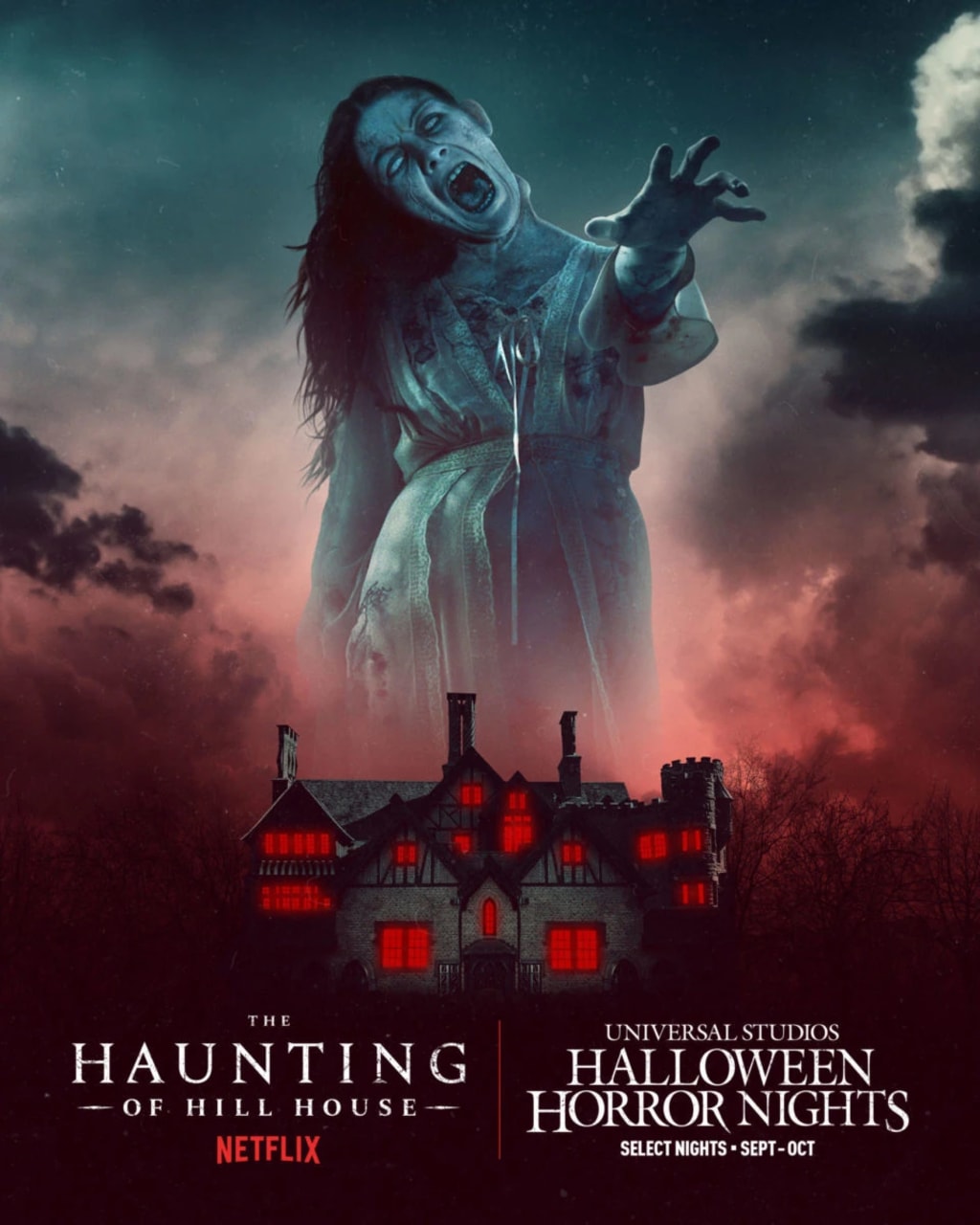
Plot Overview
At the heart of "The Haunting of Hill House" is a seemingly innocuous yet ominous mansion located in a remote area. The story follows four main characters—Dr. John Montague, an investigator of the paranormal; Eleanor Vance, a shy and sensitive young woman; Theodora, a bohemian artist; and Luke Sanderson, the heir to Hill House. Dr. Montague invites these individuals to the house to explore its supposed supernatural occurrences, hoping to gather evidence of the paranormal.
As the characters settle into Hill House, they experience increasingly unsettling phenomena that challenge their perceptions of reality. Eleanor, in particular, becomes deeply affected by the house, leading her to question her own sanity. The narrative expertly weaves elements of psychological horror with the supernatural, creating a tension that keeps readers on the edge of their seats.
Character Analysis
Eleanor Vance
Eleanor is the novel's emotional center and the character through whom much of the story unfolds. A complex figure, she grapples with her own insecurities and longing for acceptance. Her sensitivity makes her susceptible to the house's influence, blurring the lines between reality and illusion. Readers witness her transformation from a timid woman seeking belonging to someone overtaken by the malevolent forces within Hill House.
Theodora
In stark contrast to Eleanor, Theodora is confident, assertive, and unafraid of the supernatural. Her character introduces themes of sexuality and companionship, adding layers to the dynamics within the group. The friendship between Eleanor and Theodora serves as a pivotal relationship, highlighting themes of desire and fear of rejection.
Dr. John Montague
Dr. Montague represents the rational side of the narrative, embodying the scientific pursuit of understanding the unknown. His obsession with proving the existence of the supernatural drives the plot forward, but he also serves as a foil to the more emotionally driven characters.
Luke Sanderson
As the heir to Hill House, Luke’s character brings a sense of grounded reality amidst the chaos. His skepticism about the supernatural adds tension, providing a balance to Dr. Montague’s theories. However, his own complexities and vulnerabilities emerge as the story progresses.
Themes and Symbolism
The Nature of Fear
One of the most profound themes in "The Haunting of Hill House" is the nature of fear itself. Jackson delves into psychological fear, illustrating how it can stem from personal insecurities and societal expectations. The house amplifies the characters' inner fears, making them confront their deepest anxieties. This exploration of fear makes the novel resonate on a personal level, as readers can relate to the characters' struggles.
Isolation and Loneliness
Hill House serves as a metaphor for isolation, both physically and emotionally. The characters are trapped in the house, but their emotional isolation runs deeper. Eleanor's longing for connection highlights the loneliness that can accompany human existence. The oppressive atmosphere of the house reflects this theme, creating a sense of claustrophobia that intensifies the horror.
The Supernatural vs. Psychological Horror
Jackson masterfully blends elements of the supernatural with psychological horror, leaving readers questioning what is real. The manifestations in Hill House could be interpreted as genuine hauntings or products of the characters’ minds. This ambiguity enhances the tension, as the characters grapple with their perceptions of reality.
Writing Style
Shirley Jackson's prose is both lyrical and unsettling, drawing readers into the eerie world of Hill House. Her use of stream-of-consciousness narration allows for a deep exploration of the characters' psyches, particularly Eleanor's. Jackson's descriptive language paints vivid images of the house and its haunting qualities, immersing readers in the chilling atmosphere.
The dialogue is equally compelling, often revealing the characters’ fears and insecurities. Jackson’s ability to create tension through subtlety—using whispers, shadows, and fleeting sensations—sets her apart from more conventional horror writers.
Cultural Impact
"The Haunting of Hill House" has left an indelible mark on the horror genre, influencing countless writers and filmmakers. Its themes of psychological horror and the complexities of the human mind have paved the way for future works that blend the supernatural with psychological depth. The novel’s adaptability is evident in various adaptations, including the acclaimed 1963 film and Netflix's 2018 series, both of which have introduced the story to new audiences while maintaining its core elements.
Conclusion
Shirley Jackson's "The Haunting of Hill House" is more than just a horror novel; it is a profound exploration of fear, isolation, and the complexities of the human experience. Its rich character development, intricate themes, and haunting atmosphere make it a timeless classic that continues to resonate with readers.
For those seeking a story that evokes both terror and introspection, "The Haunting of Hill House" stands as a testament to the power of psychological horror. Its ability to blur the lines between reality and the supernatural ensures that it remains a cornerstone of the genre, proving that the scariest books often delve into the darkest corners of the human psyche.
In a world filled with transient horror, Jackson’s masterpiece endures, reminding us that true terror often lies not in what we can see, but in what we cannot comprehend. Whether you are a seasoned horror aficionado or a curious newcomer, "The Haunting of Hill House" promises an unforgettable journey into fear and the unknown.
About the Creator
Anirban Sarker
Anirban Sarker is a writer passionate about exploring themes of nature and identity. With work featured in outlets like The New Yorker and The Atlantic, he captivates readers through evocative storytelling.
Keep reading
More stories from Anirban Sarker and writers in Horror and other communities.
Movie Review: "The Exorcist: Believer"
Plot Overview Set decades after the events of the original film, "The Exorcist: Believer" introduces a new generation to the horror of possession. The story revolves around two families—Angela (Leslie Odom Jr.) and his daughter, as well as another family that becomes intertwined with theirs through a series of harrowing events. When strange occurrences plague their homes, Angela is thrust into a desperate search for answers.
By Anirban Sarkerabout a year ago in Horror
3:17 AM.
The first thing people noticed about Building 9A was how quiet it was. Too quiet. No children played in the corridors. No televisions hummed behind closed doors. Even during the day, the building felt frozen in time, as if sound itself refused to stay there for long. But the rent was cheap, and the city was expensive, so people moved in anyway.
By Rosalina Jane7 days ago in Horror


Comments
There are no comments for this story
Be the first to respond and start the conversation.