

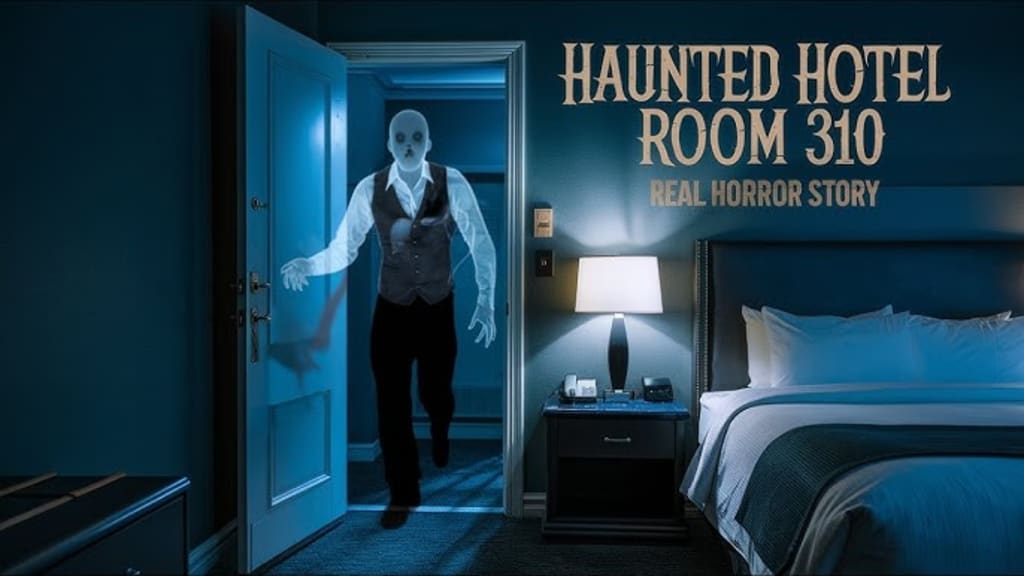
In 2013, a university student named Arif moved into a boys’ hostel in Chittagong, Bangladesh. It was an old British-era building, used during colonial times and later converted into student housing. Arif, a first-year engineering student, didn’t mind the cracked walls or flickering lights. Rent was cheap, and the campus was nearby.
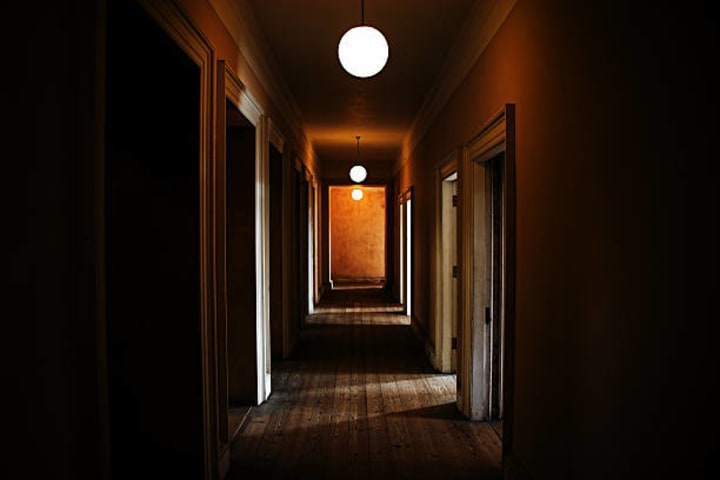
He was assigned Room 310—a narrow, dimly lit room at the end of the corridor on the third floor. When he arrived, the caretaker gave him a strange look.
“No one stays in that room long,” the old man muttered, “But maybe you’re braver than the others.”
Arif shrugged it off. He believed in science, not superstition.
That night, after arranging his books and bed, Arif lay down and closed his eyes. Around 2:00 a.m., he woke up shivering. The fan had stopped moving. His phone, fully charged, was now dead. Then he heard it.
Drip... drip... drip.
Water, he thought. Maybe a leak in the roof. But it wasn’t raining.
He got up, turned on his flashlight, and followed the sound. It led him to the corner of the room—where no water source existed. The wall was bone dry. Yet the sound continued.
He ignored it and went back to sleep.
But the following nights got worse. He began waking up at exactly 2:00 a.m. every night. The room would be icy cold. Objects moved slightly—a pen rolling off the table, his shoes facing a different direction. Once, he found his notebook open to a page he hadn’t read in days, with the words “GET OUT” scratched into it with something sharp.
He thought it was a prank. Maybe someone had access to his room.
But when he asked around, a senior student pulled him aside. “You’re in Room 310?” the boy whispered. “A student died there. Hanged himself from the ceiling fan two years ago. No one stays there more than a week.”
Arif laughed nervously. “You’re joking.”
But the senior shook his head. “Ask the caretaker.”
That evening, Arif confronted the caretaker, who reluctantly confirmed the story.
“Name was Faheem. Bright student. Failed a semester and… couldn’t take it. His parents didn’t even come to collect his body. Since then, strange things happen in that room. We don't talk about it.”
Still, Arif refused to leave. He didn’t want to look weak or superstitious.
That night, everything changed.
At 2:00 a.m., Arif woke up choking. Something heavy was pressing down on his chest. He couldn’t move. Couldn’t scream. Out of the corner of his eye, he saw a dark shape hanging from the ceiling. Slowly, it descended, head tilted, rope still around its neck.
The face was pale, the tongue blackened, eyes lifeless—but they looked straight at him.
Then it whispered:
“It should’ve been you.”
Suddenly, the pressure lifted. Arif gasped and sat up, drenched in sweat. The shape was gone. The light flickered back on.
That morning, Arif left the hostel. He didn’t say goodbye. He didn’t even pack everything.
He transferred to a new room in another building and never returned to Room 310.
The hostel authorities eventually sealed the room permanently.
To this day, students whisper about Room 310, but no one is allowed to enter. Some say the spirit of Faheem still waits for another soul to join him. Others say it follows those who disturbed its rest.
Arif? He finished his degree, but he never spoke about that night again.
Except once.
At a reunion five years later, when someone brought up the haunted hostel rumors, Arif simply said, “I saw him. And I’ll never forget his face.”
Then he pulled up his shirt sleeve to reveal long, thin scratches—faded now, but real.
Scratches he claimed appeared the night he escaped.
---
Note: This story is inspired by real accounts of haunted hostel rooms in South Asia. While names and details have been fictionalized, many students report eerie, unexplained experiences in old dormitories—especially those with a tragic past.
About the Creator
Golam Ratul
Creative mind, passionate heart, and a love for meaningful words. I turn ideas into stories that connect, inspire, and leave an impact. Let’s build something unforgettable together.
Keep reading
More stories from writers in Horror and other communities.
The Dragon’s Promise
After the death of their parents, two brothers lived in a village. The elder brother was clever, practical, and skilled at earning money. Neighbors praised him, while the younger brother was still young, simple-hearted, honest, and inexperienced in earning a living. The elder brother looked down on him, mocked him, and even the villagers called him foolish.
By Sudais Zakwan5 days ago in Horror
Seattle Nightlife Report: Pony
Mid-winter Friday night. Early but already so dark. The days are getting longer but 6 PM is still pitch black. “Firepit!” You declare things after just a few seconds of solemn thought – not a request or suggestion, not a demand. Last week you walked around saying, “Hot tub?” to anyone who would listen. Or one afternoon you pointed at two men holding hands as they crossed 12th Avenue, looked me in the eyes and said, “Boyfriends.”
By Joe Nasta | Seattle foodie poet6 days ago in Wander



Comments
There are no comments for this story
Be the first to respond and start the conversation.