
The Rise of Telekinesis in Movies: From Carrie to Scanners and Beyond
Launched into cult fame by David Cronenberg’s 1981 film Scanners, telekinesis wasn’t just a shocking special effect — it was a full-blown cinematic trend of the late 70s and 80s. From Carrie to Firestarter, movies about psychic powers tapped into deep cultural fears and a hidden desire for control.

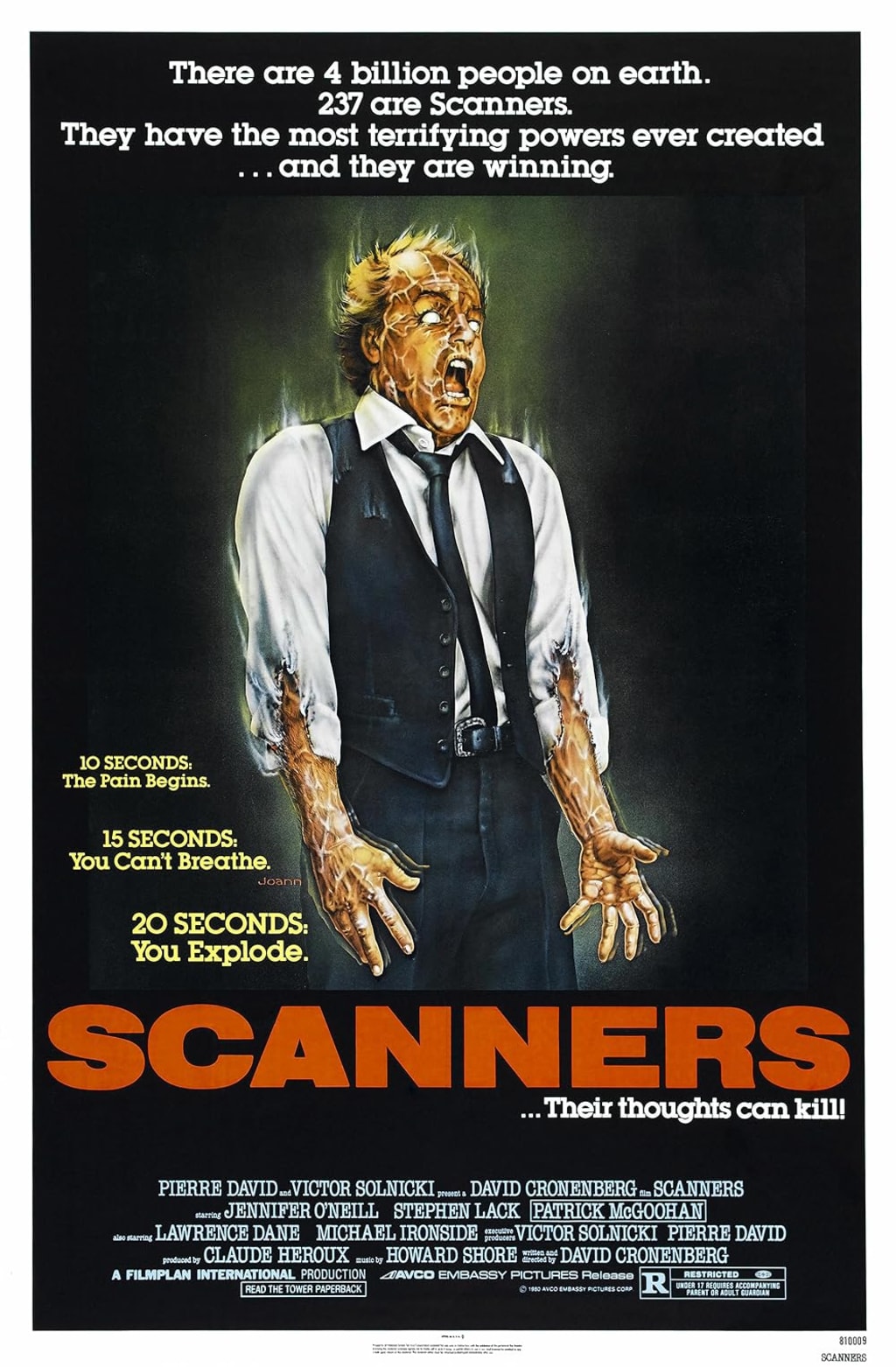
Scanners and the Head Explosion That Shocked the World
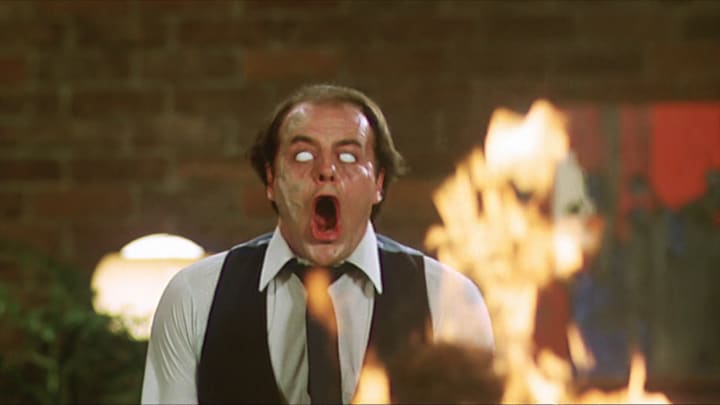
Everyone remembers the head explosion. You don’t even have to be a horror fan to know it. In 1981, David Cronenberg’s Scanners gave audiences one of the most infamous movie moments of all time, a practical effects showstopper that has lived on in GIFs, memes, and “most shocking moments” lists for decades.
But there’s more to Scanners than just one exploding cranium. Cronenberg’s film wasn’t an outlier — it was part of a wave. In the late 1970s and early 1980s, telekinesis and psychic powers became a recurring obsession for filmmakers, especially in horror and science fiction. Scanners hit right in the middle of that psychic boom, taking the idea further than anyone had dared before.
⸻
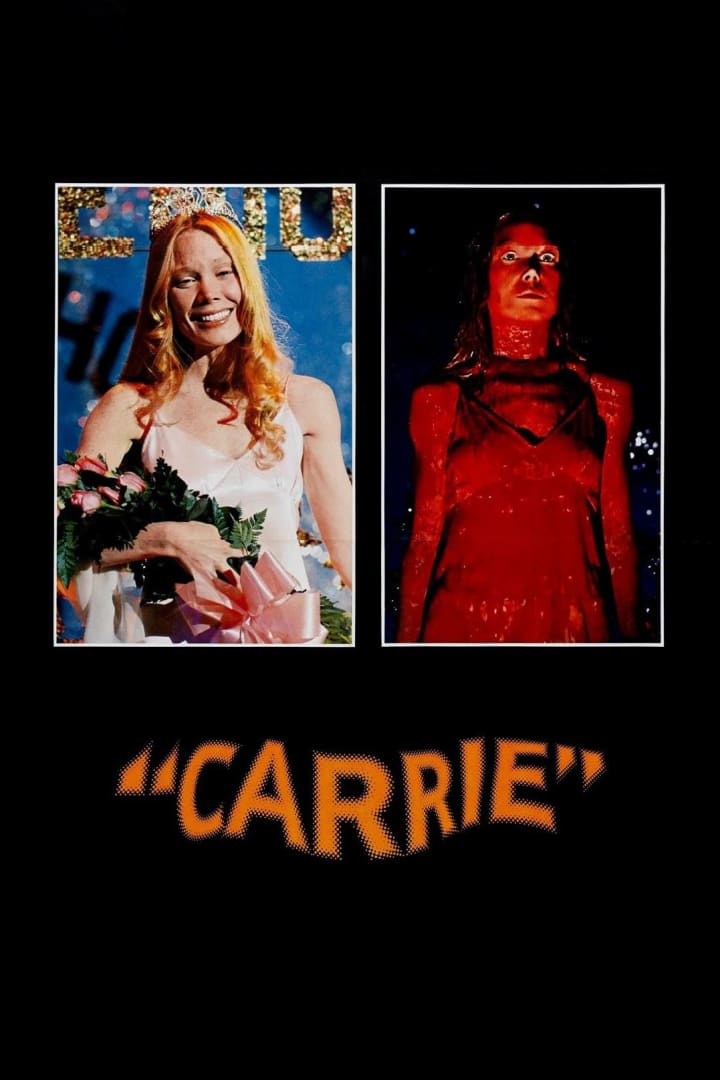
Carrie: The Bloody Beginning
The story really starts in 1976, when Brian De Palma adapted Stephen King’s debut novel Carrie. Sissy Spacek’s shy, bullied girl with telekinetic powers turned into a horror icon the second she locked the gym doors and let her rage erupt.
Carrie was more than just a scary movie. It made telekinesis personal, a metaphor for adolescence, rage, and repression. King and De Palma gave psychic powers a dark, emotional charge — not just a gimmick, but a way to turn inner trauma into outer horror.
The film was a hit, and Hollywood noticed. Suddenly, psychic powers weren’t just the stuff of pulp novels. They could carry a prestige horror movie, sell tickets, and linger in the cultural imagination.
⸻
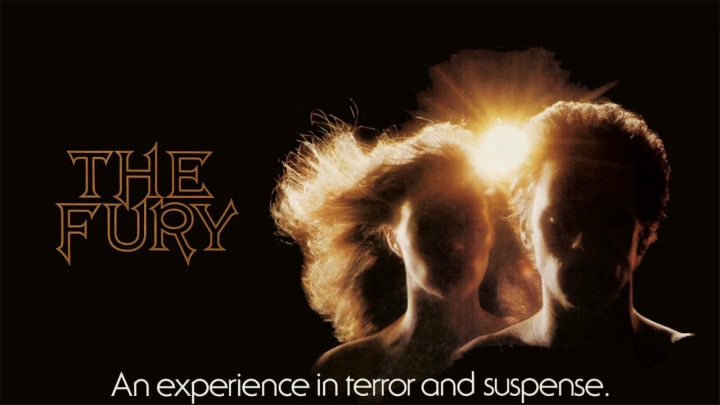
The Fury: Telekinesis Gets Louder
Two years later, De Palma returned to the theme with The Fury (1978), another story about gifted young psychics being hunted, exploited, and weaponized. Where Carrie was small and intimate, The Fury went big — government conspiracies, car chases, espionage, and one of the most gloriously over-the-top psychic death scenes ever filmed (John Cassavetes exploding in slow motion).
Between Carrie and The Fury, the groundwork was laid: telekinesis was cinematic. It was visceral. It could be bloody, operatic, tragic, or thrilling.
⸻
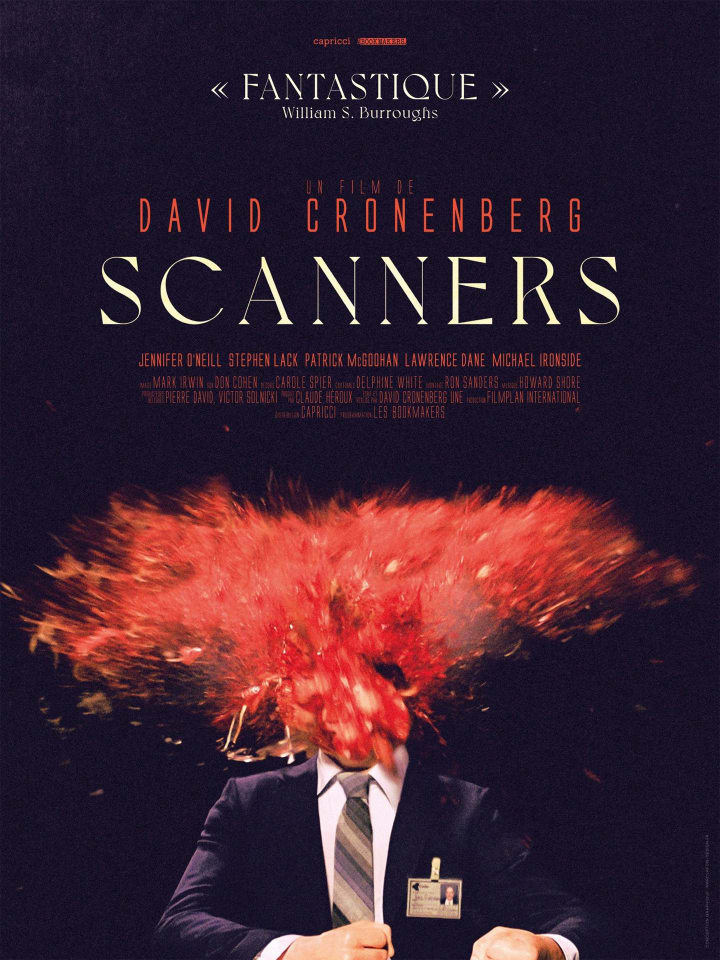
Scanners: The Turning Point
By the time Cronenberg made Scanners, the idea of psychic powers had moved into the realm of paranoia. This wasn’t about adolescence or emotional trauma — this was about control.
Cronenberg imagined a world where corporations and governments wanted to exploit psychic powers, creating scanners who could not only move objects but invade minds, manipulate thoughts, and even cause heads to rupture under pressure.
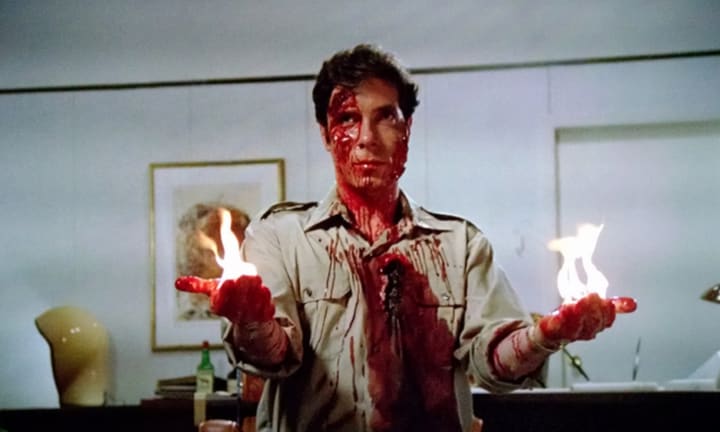
The film’s central showdown — Cameron Vale (Stephen Lack) vs. Darryl Revok (Michael Ironside) — is less about physical combat than psychic domination. The head explosion, shocking as it is, is really just the hook. What Cronenberg was playing with was scarier: the idea that your mind itself could be violated, weaponized, or stolen.
Scanners became a cult hit and one of Cronenberg’s defining works. It also cemented telekinesis as more than a horror gimmick. It was a genre of its own.
⸻
The 80s Psychic Boom
The early 80s saw Hollywood dive headlong into psychic stories. Some leaned horror, others leaned science fiction, but all carried echoes of what Carrie and Scanners had sparked.
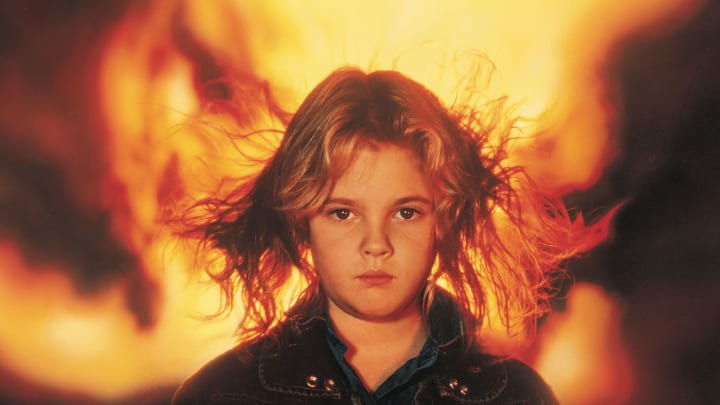
• Firestarter (1984): Another Stephen King adaptation, this time with Drew Barrymore as a pyrokinetic child hunted by shadowy government agents. The parallels to Scanners are impossible to miss — psychic children as weapons, powers as both gift and curse.
• The Dead Zone (1983): Cronenberg again, adapting King’s novel about a man (Christopher Walken) who wakes from a coma with psychic visions. Less about gore, more about moral choices, but still rooted in the anxiety of hidden power.
• Dreamscape (1984): Dennis Quaid entering people’s dreams to fight psychic battles, blending horror imagery with sci-fi adventure.
These films didn’t always dominate the box office, but they created a cultural moment. Psychic powers were everywhere, from TV (The Tomorrow People) to anime (Akira).
⸻
Why Telekinesis Worked
Why did telekinesis resonate so much in that period? A few reasons stand out:
• Paranoia: The Cold War era was filled with fear of mind control, brainwashing, and government experiments. Psychic movies gave those fears a fantastical twist.
• Wish Fulfillment: Who wouldn’t want to move objects with their mind, or strike back against bullies and abusers without lifting a finger? Telekinesis was the ultimate outsider fantasy.
• Metaphor: Psychic powers became shorthand for internal struggles — adolescence in Carrie, corporate control in Scanners, destiny in The Dead Zone.
It was a flexible device, equally effective for gore-soaked horror or thoughtful drama.
⸻
The Legacy: From 80s Horror to Stranger Things
Telekinesis didn’t fade away. If anything, it became part of pop culture’s permanent vocabulary.
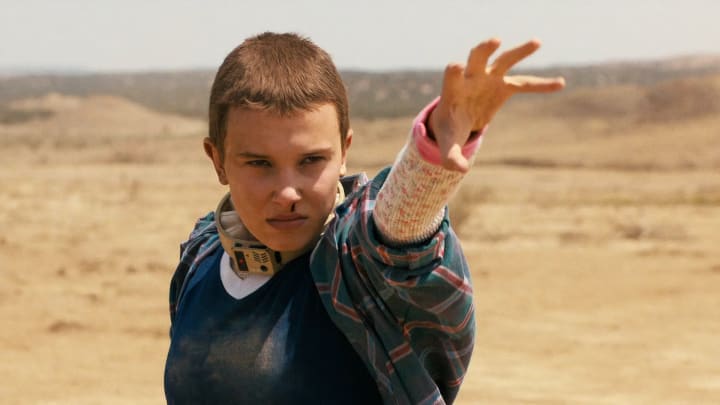
The most obvious heir is Stranger Things, with Eleven channeling her powers in ways straight out of Carrie and Scanners — nosebleeds, lab experiments, shadowy organizations.
Superhero movies have carried the torch, too. The X-Men films gave us Jean Grey as a blockbuster telekinetic, while anime landmarks like Akira owe just as much to the 80s psychic wave as they do to Japanese storytelling traditions.
And of course, the head explosion lives on — referenced, parodied, and endlessly replayed.
⸻
Conclusion: Scanners at the Center
When people talk about Scanners, they almost always go straight to the special effect. And yes, it’s unforgettable. But the real story is how Cronenberg’s film stood at the center of a psychic storm, part of a broader cultural fascination with telekinesis that stretched from Carrie in 1976 to Firestarter and Dreamscape in the mid-80s.
Telekinesis wasn’t just a trend — it was a mirror. A way for horror and science fiction to wrestle with power, fear, and control. And Scanners, more than any other film, turned that mirror directly back on us.
⸻
Subscribe to Movies of the 80s here on Vocal and on YouTube for videos of our posts. No channel loves the movies of the 80s as much as we do and we would love to have you join us.
About the Creator
Movies of the 80s
We love the 1980s. Everything on this page is all about movies of the 1980s. Starting in 1980 and working our way the decade, we are preserving the stories and movies of the greatest decade, the 80s. https://www.youtube.com/@Moviesofthe80s
Keep reading
More stories from Movies of the 80s and writers in Horror and other communities.
Cowboys in a Ghost Town: The Forgotten Horror Oddity Scream (1981)
Before Wes Craven, There Was Another Scream When horror fans hear the title Scream, they think of Wes Craven’s 1996 classic that revitalized the slasher genre. But 15 years earlier, in 1981, there was another Scream—a forgotten, low-budget curio with a premise that should have been a slam dunk. A group of rafters stranded in a ghost town, stalked by an unseen killer, sounds like perfect midnight-movie material. Instead, it became one of the strangest entries in the early ’80s slasher boom, remembered today less for scares and more for its unlikely cast.
By Movies of the 80s4 months ago in Horror
Something Is Living Under My Bed
I used to believe monsters only existed in a child’s imagination. Sharp teeth, glowing eyes, clawed hands reaching from the dark—things parents dismiss with a laugh before turning off the lights. I believed that too, once. Until the night I realized the fear under my bed wasn’t imaginary.
By David John5 days ago in Horror
Miss Persephone's Manual to a Seemingly Ordinary Life
Miss Persephone was found at the dining table, her blue eyes swollen, her tears arriving and retreating like the tides of the ocean. Earlier that day, her family had visited her in the retirement home where she had lived for eight years. It was her eightieth birthday.
By Imola Tóth5 days ago in Fiction



Comments
There are no comments for this story
Be the first to respond and start the conversation.