
The Origins of Slender Man: How a Creepypasta Became a Modern Myth
In the labyrinth of modern folklore, few figures have emerged as compellingly eerie and culturally influential as Slender Man. This unnervingly tall, faceless entity, often depicted in a black suit, has become a central character in the realm of internet horror, or "creepypasta." But how did this seemingly simple creation evolve from a forum post into a modern mythos with a lasting impact on pop culture?

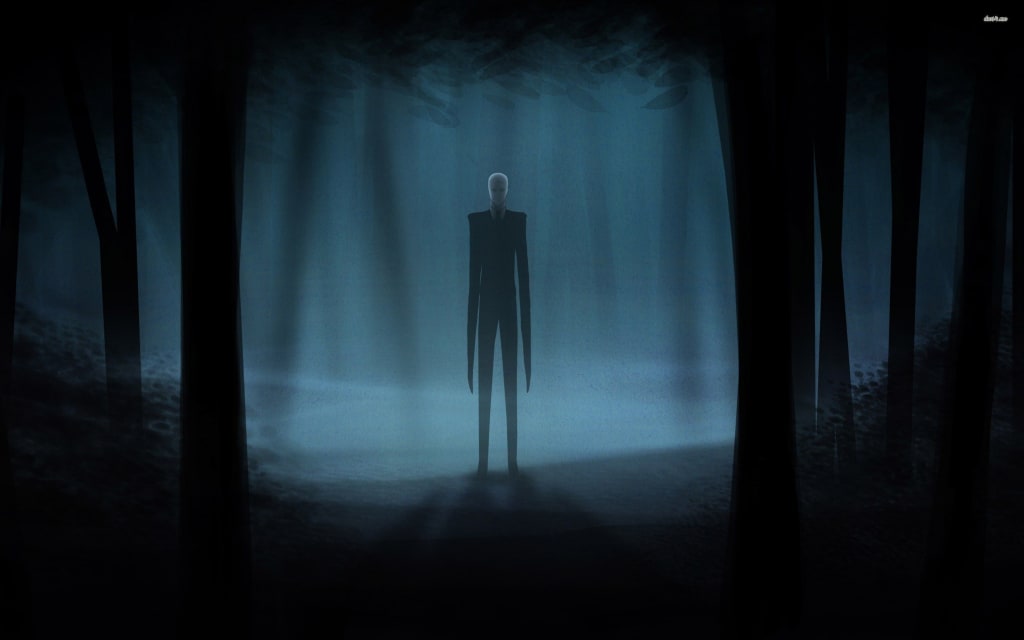
The Birth of a Legend
Slender Man first emerged in 2009 as part of a forum thread on the website Something Awful. The thread, dedicated to creating eerie, paranormal images, invited users to manipulate photographs to create disturbing effects. Eric Knudsen, known online by his pseudonym “Victor Surge,” contributed two chilling images featuring a tall, faceless figure clad in a suit. The figure, lurking ominously behind children, was accompanied by a brief narrative that suggested it was responsible for abductions and disappearances.
The name “Slender Man” was a direct reference to the character’s slender appearance, but it was the evocative and minimalist design that captivated viewers. Unlike traditional monsters with detailed backstories, Slender Man was shrouded in ambiguity, which allowed readers to project their fears onto him. The lack of a face made the character universally unsettling, and the unsettling premise of his presence around children tapped into deep-seated fears.
From Creepypasta to Pop Culture
The Slender Man myth quickly evolved from a single post to a full-blown internet phenomenon. Users on various forums, particularly on 4chan and Reddit, began to expand on the character’s backstory, creating a web of lore that included tales of his origins, motives, and encounters. The collaborative storytelling nature of the internet allowed Slender Man to be adapted and reimagined, leading to a proliferation of stories, images, and videos.
One significant factor in Slender Man's rise to fame was his incorporation into the world of video games. In 2012, the indie game "Slender: The Eight Pages" was released, thrusting the character into the gaming spotlight. The game’s success was driven by its simple yet terrifying gameplay: players navigate a dark forest searching for pages while avoiding the relentless pursuit of Slender Man. The game’s atmospheric horror and minimalistic design captured the essence of the creepypasta and contributed to its viral spread.
Slender Man’s influence extended beyond games to other media, including films, web series, and literature. The character’s adaptability made him a popular choice for creators looking to explore modern horror themes. For example, the 2018 film “Slender Man” explored the lore in a more mainstream context, although it was met with mixed reviews. Despite its reception, the film's existence underscores the character’s impact on contemporary horror.
Real-World Implications
The Slender Man phenomenon is not without its darker chapters. In 2014, the character became linked to a horrifying real-world crime. Two 12-year-old girls from Wisconsin, convinced that Slender Man was real, lured a classmate into the woods and attempted to stab her to prove their loyalty. The victim survived, and the case received widespread media attention, highlighting the potential consequences of internet-driven myths.
This incident sparked debates about the influence of online horror on young minds and the responsibilities of creators and platforms in managing such content. While the Slender Man case is an extreme example, it serves as a stark reminder of how digital folklore can blur the lines between fiction and reality.

The Enduring Legacy
Despite the controversies and challenges, Slender Man remains a powerful symbol in internet culture. His story is a testament to the ability of modern myths to resonate across digital platforms and captivate global audiences. The character’s origins, rooted in simple forum posts, illustrate how collaborative storytelling can shape and perpetuate folklore in the digital age.
Slender Man’s legacy is a reflection of our contemporary fears and fascination with the unknown. His faceless visage and ambiguous nature allow him to embody a range of anxieties, from the fear of the unknown to the darker aspects of human psychology. As long as there are stories to be told and fears to be explored, Slender Man will continue to loom large in the landscape of modern myths.
In conclusion, the rise of Slender Man from a forum creation to a cultural icon is a remarkable example of how internet culture can birth new legends. His evolution from a simple creepypasta character to a figure of significant cultural impact underscores the power of digital storytelling and the enduring appeal of horror in its many forms.
About the Creator
TheSomeone
I am just a normal human that likes to make scary interesting articles and other new things
Keep reading
More stories from TheSomeone and writers in Horror and other communities.
The Most Popular Creepypasta Videos That Will Terrify You
What Makes Creepypasta Videos So Terrifying? Creepypasta videos are often short, eerie clips that complement horror stories circulating online. These stories are typically fictional but presented in a way that makes them feel disturbingly real. The term “Creepypasta” comes from the words “creepy” and “copypasta,” referring to the practice of copying and pasting horror stories across forums and social media. What makes Creepypasta videos so compelling is their ability to immerse viewers in a world of fear and uncertainty, with many exploiting psychological horror rather than relying solely on gore or jump scares.
By TheSomeone11 months ago in Horror
The Dragon’s Promise
After the death of their parents, two brothers lived in a village. The elder brother was clever, practical, and skilled at earning money. Neighbors praised him, while the younger brother was still young, simple-hearted, honest, and inexperienced in earning a living. The elder brother looked down on him, mocked him, and even the villagers called him foolish.
By Sudais Zakwan4 days ago in Horror



Comments
There are no comments for this story
Be the first to respond and start the conversation.