
The Mysterious Anjikuni Lake Village Disappearance: Fact or Creepy Folklore?
Houses eerily silent, food left uneaten, and not a single soul in sight. The chilling tale of the Anjikuni Lake village disappearance, one of the spookiest unsolved mysteries to come out of the frozen north.

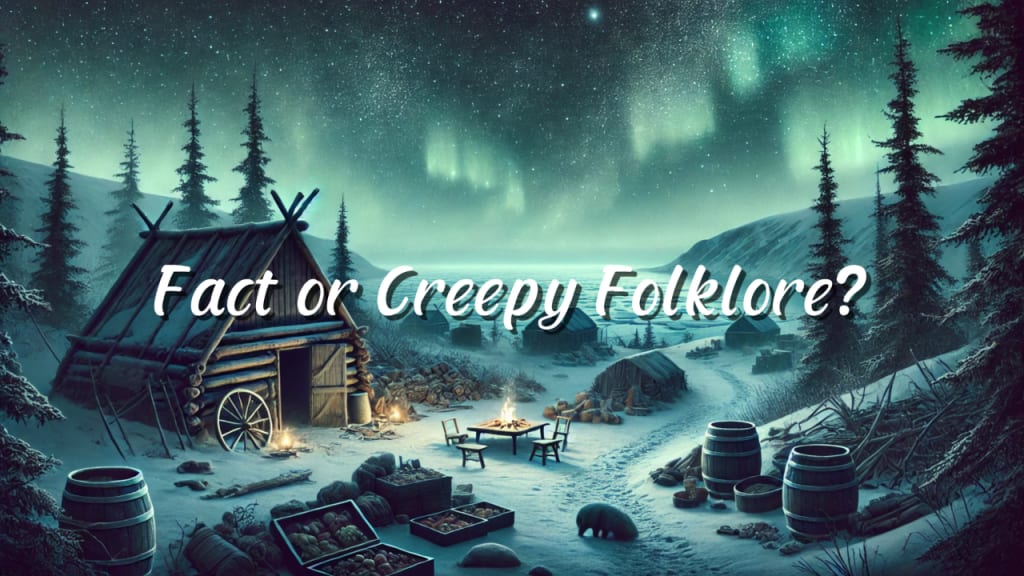
Imagine a quiet, snowy night in the vast Canadian wilderness, and a fur trapper stumbles upon a scene straight out of a horror movie. Houses eerily silent, food left uneaten, and not a single soul in sight. That’s the chilling tale of the Anjikuni Lake village disappearance, one of the spookiest unsolved mysteries to come out of the frozen north.
Back in 1930, Joe Labelle, a fur trapper with a penchant for exploring remote areas, claimed to have found an Inuit village near Anjikuni Lake that was entirely deserted. And I don’t mean “everyone went out for coffee” deserted—I mean “vanished into thin air” deserted. Over the decades, this story has snowballed into a legendary mystery, spawning theories ranging from alien abduction to supernatural curses. So, what actually happened at Anjikuni Lake? Let’s unravel this frosty enigma.
Setting the Scene: Anjikuni Lake and Its History
To understand the story, you first need to know about Anjikuni Lake. Nestled in Nunavut, Canada, this remote lake is as isolated as it gets. Picture icy waters, sprawling tundra, and a whole lot of nothingness. The lake and surrounding area have long been home to Inuit communities, who thrived despite the harsh Arctic climate.
But it’s not just the breathtaking (and bone-chilling) landscape that makes this place noteworthy. The region’s isolation adds a spooky vibe—no bustling towns or modern distractions, just nature’s icy grip. It’s the kind of place where you’d half-expect to find Bigfoot ice fishing.
The Tale Begins: What Allegedly Happened in 1930
The story goes that Joe Labelle, a seasoned fur trapper, arrived at an Inuit village near Anjikuni Lake expecting warmth, hospitality, and maybe a hot meal. Instead, he found…nothing.
The village, which had reportedly been home to several families, was eerily quiet. Houses were intact but empty. Meals were still on tables, as if the villagers had vanished mid-bite.
Adding to the creep factor, Labelle allegedly discovered that the graves in the village cemetery had been disturbed, with bodies missing. Naturally, Joe did what any sensible person would do—he hightailed it out of there and reported the incident to the nearest authorities.
The Royal Canadian Mounted Police (RCMP) supposedly investigated, but records of their involvement are murky. What we’re left with is an unsettling tale that feels part mystery, part campfire ghost story.
The Whole Village Disappeared Without Traces || The Anjikuni Mystery
Theories That’ll Make You Scratch Your Head (or Laugh Out Loud)
When it comes to explaining the Anjikuni Lake disappearance, theories abound. Some are downright bizarre, while others might make you go, “Huh, maybe.”
1. Alien Abduction
This theory suggests our Inuit villagers got an unexpected invitation to a UFO party.
Proponents point to the eerie details of the scene and claim extraterrestrials might have “beamed” everyone away.
Is it plausible? Probably not. Entertaining? Absolutely.
2. Mass Exodus
Perhaps the villagers faced a sudden threat—a food shortage, harsh weather, or danger from wildlife—and fled en masse.
Critics of this theory argue it doesn’t explain why belongings and food were left behind.
But hey, maybe they were in a hurry.
3. Supernatural Forces
Could this be the work of spirits or curses from Inuit folklore.
Tales of malevolent beings like the Qalupalik, a sea monster said to snatch unsuspecting people, add a spine-tingling layer to the story.
4. Elaborate Hoax
Skeptics suggest the entire incident might have been fabricated or exaggerated.
After all, it wouldn’t be the first time a good story snowballed into legend.
Debunking the Mystery: What Experts Say
Over the years, journalists, historians, and investigators have poked holes in the story.
- No RCMP Records
The RCMP later stated they found no evidence of such an investigation or incident.
- Urban Legend Status
Many believe the tale morphed into an urban legend thanks to repeated retellings.
- Joe Labelle’s Account
Without corroborating evidence, Labelle’s claims remain questionable at best.
While these points don’t definitively debunk the mystery, they do make you wonder: is this just an elaborate Arctic tall tale?
Why the Anjikuni Mystery Still Captivates Us Today
So, why does this story continue to intrigue us? For one, it taps into our fascination with the unexplained. There’s something deliciously spooky about a mystery that defies easy answers. The Anjikuni Lake disappearance combines elements of horror, folklore, and the supernatural, making it a prime candidate for fireside storytelling and speculative debate.
Moreover, the story of the vanishing village speaks to our deeper fears and curiosities. It challenges our understanding of reality and reminds us that, despite all our technological advancements and scientific knowledge, there are still corners of the world—and of history—that remain shrouded in mystery.
The isolation of the setting also adds to the eerie allure. Anjikuni Lake, with its remote, icy expanse, is the perfect backdrop for a tale of inexplicable disappearances. It's a place where the silence is almost tangible, and the vast wilderness seems to hold secrets in its frozen grip.
The Power of a Good Mystery
The Anjikuni Lake story endures because it embodies the timeless power of a good mystery. It sparks our imagination, encouraging us to ponder the possible explanations and what-ifs. Whether you lean towards believing in alien abductions, supernatural forces, or simply an exaggerated tale spun out of control, there's no denying the appeal of a mystery that keeps us guessing.
In the end, the truth behind the Anjikuni Lake village disappearance might never be fully known. But perhaps that's for the best. Some mysteries are meant to remain unsolved, serving as reminders of the world's inherent unpredictability and the boundless capacity of the human imagination.
About the Creator
Keep reading
More stories from Marveline Merab and writers in Horror and other communities.
The "MILWAUKEE CANNIBAL" Who Turned Real Life Into a Nightmare: Jeffrey Dahmer
Okay, folks, it’s time to dive into one of the most infamous serial killers in modern history: Jeffrey Dahmer. This guy was so notorious, he earned the nickname The Milwaukee Cannibal. And no, it’s not because he liked to spice up his meals—it's because he, quite literally, turned his victims into gruesome "dinner." While we're not here to make light of the victims' suffering, it's hard to ignore the bizarre, horrifying, and, dare we say, absolutely chilling details of Dahmer’s story. It’s the kind of tale that’ll leave you questioning, “How did this guy manage to fly under the radar for so long?”
By Marveline Merababout a year ago in Horror
One to See, One to Speak, One to Listen
Contains gore and horror some readers may find disturbing. Rated 14+ Author's Intro: This story is meant to revive the Gothic literature so famously crafted by one of my favourite writer's, Edgar Allen Poe, and as such, the language and style is deliberately antiquated. Thank you for reading my all time favourite work of horror - Les
By Call Me Les18 days ago in Horror
Ludacris and Nelly draw backlash over bookings at MAGA-coded music festival
Ludacris and Nelly headlining a mostly right-wing event is good for them. It’s also great for the genre of hip hop. The two rap veterans have showcased their talents on other stages. Why can’t they perform for mostly MAGA folks and grab that bag?
By Skyler Saunders3 days ago in Beat




Comments
There are no comments for this story
Be the first to respond and start the conversation.