
The Key Elements to Make a Dangerous Horror Movie
Creating a genuinely dangerous horror movie,one that leaves audiences on the edge of their seats and lingers in their minds long after viewing,requires a dedicate balance of psychological tension,visual horror,and thought provoking themes.

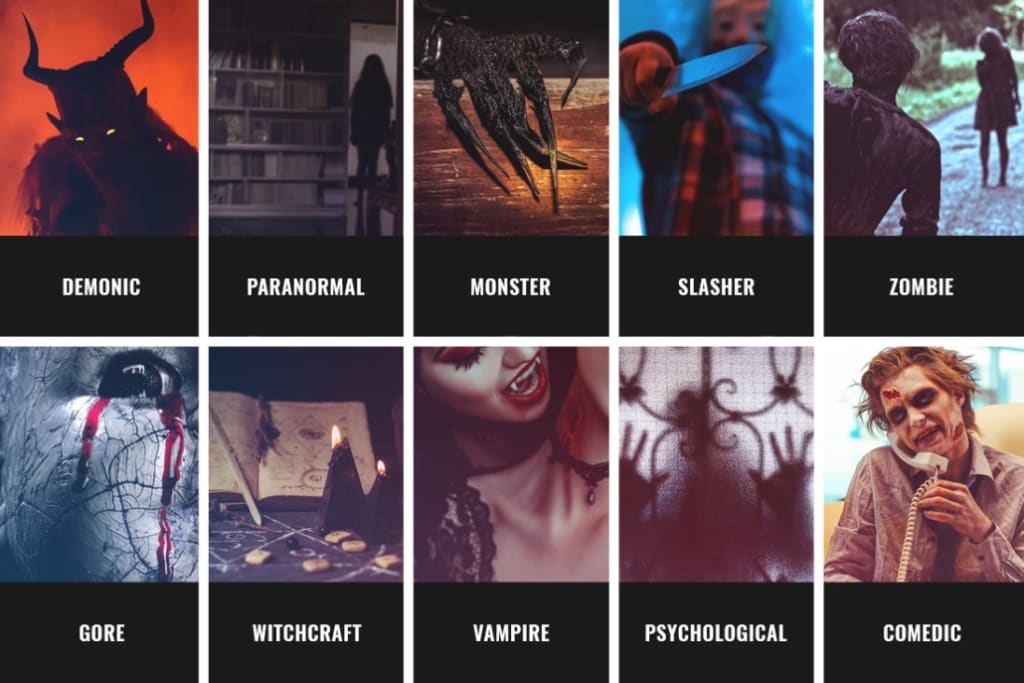
Unlike a simple scare-fest, a dangerous horror film taps into deep-seated fears, challenging the viewer’s perception of safety and sanity. Here are some of the key elements that make horror films feel truly dangerous:
1. Atmosphere and Tone
A horror film’s atmosphere is one of its most vital elements, setting the tone from the beginning and establishing a sense of unease that builds throughout. This atmosphere is often created through lighting, sound design, set design, and color palette. Dim lighting, claustrophobic spaces, and eerie or muted color schemes can create an overwhelming sense of dread that makes the viewer feel trapped within the film’s world. Examples include Hereditary and The Witch, where isolated settings and muted color schemes create an unyielding tension that leaves audiences feeling unsettled.
Sound is also critical in setting the atmosphere. Low, droning sounds, sudden bursts of silence, and unsettling ambient noises can enhance the feeling of dread and unpredictability, making the viewer anticipate something terrifying even in calm moments. The quiet hums and sudden noises in A Quiet Place are perfect examples of using sound to heighten fear and vulnerability.
2. Psychological Horror and Character Depth
The most dangerous horror films don’t simply scare audiences; they dig deep into their minds. Characters in these films often wrestle with complex psychological struggles, trauma, or grief. This creates a level of emotional investment, as the audience identifies with or understands the character’s struggles, making the horror more personal and affecting.
Character-driven horror, like Black Swan, explores the internal descent into madness and the psychological strain of obsession. By exploring the depths of mental illness, isolation, or inner darkness, a film can resonate on a deeply disturbing level, where the real terror is the mind’s own betrayal. When characters break down, either due to supernatural forces or personal struggles, the audience experiences this breakdown too, adding a visceral layer to the horror.
3. Unpredictable Narrative and Plot Twists
Unpredictability is crucial in keeping horror dangerous, as predictable scares quickly lose their impact. A horror film that challenges expectations, such as Psycho or The Others, builds suspense by keeping audiences in a state of constant uncertainty. This can be achieved through unconventional storytelling, like nonlinear narratives, unexpected character deaths, or red herrings that keep viewers guessing.
A plot twist or revelation that turns the story on its head can add a sense of existential horror, as it forces the audience to question what they thought they understood about the story and its characters. This shift leaves viewers feeling off-balance, as they realize the plot was leading them in one direction while hiding its true nature. Dangerous horror films leave audiences second-guessing their assumptions, creating a psychological edge that keeps them thinking long after the credits roll.
4. Unsettling Imagery and Iconic Visuals
The best horror films are memorable for their disturbing imagery, which often lingers in the viewer’s mind long after the movie ends. This can range from subtle imagery that hints at something horrifying just out of sight to outright grotesque and shocking visuals that are difficult to forget.
For instance, the eerie and unforgettable imagery in The Shining—from the ghostly twins to the wave of blood filling the hallway—is haunting because it feels symbolic yet deeply unsettling. Dangerous horror makes use of carefully crafted visuals that feel almost ritualistic or otherworldly, forcing audiences to confront scenes that are both fascinating and horrifying. This can include images that play with gore in a meaningful way or images that feel strangely surreal and inexplicable, leaving viewers questioning what they saw.
5. Themes That Tap into Existential and Taboo Fears
What separates dangerous horror from ordinary scares is its willingness to explore dark themes, often touching on existential fears or taboo subjects that are rarely addressed. Themes like death, grief, insanity, or the loss of control over one’s mind and body can resonate deeply with audiences because these fears are universal. Rosemary’s Baby, for example, taps into the horror of losing autonomy over one’s body, while Get Out explores the terrifying reality of being controlled and manipulated by others.
By forcing audiences to confront these fears, dangerous horror films reach a level of profundity that transcends basic scares, making the horror feel inevitable and unavoidable. Films that tackle controversial or uncomfortable topics, such as cults, possession, and the breakdown of family dynamics, expose fears that viewers may suppress or avoid, adding to the film’s lingering effect.
6. Effective Use of Ambiguity and Unresolved Endings
Ambiguity is a powerful tool in horror, as it allows viewers to fill in the gaps with their own imaginations, which are often more frightening than anything a film could explicitly show. Movies like It Follows and The Blair Witch Project use ambiguity to leave much of the horror unexplained, giving the impression that the terror is ongoing and unsolvable.
An unresolved ending can be haunting because it denies the viewer a sense of closure, leaving them with an unsettling feeling that the horror is not over. This open-ended approach invites viewers to question the nature of what they’ve seen and what it could mean beyond the film. This kind of psychological horror is powerful, as it sticks with viewers, making them question and analyze long after the film is over.
7. Skillful Use of Pacing and Tension-Building
In horror, pacing is everything. Dangerous horror films often start slow, allowing tension to build gradually, creating a sense of anticipation that feels almost unbearable. Rather than rushing into scares, these films let dread build incrementally, creating a slow-burn effect that intensifies the horror.
Conclusion
A dangerous horror film is one that engages with the audience’s deepest fears through atmosphere, complex characters, unpredictable narratives, and unsettling imagery. These elements combine to create an experience that feels personal, inevitable, and unforgettable. By challenging the viewer’s comfort zone and forcing them to confront uncomfortable truths, a truly dangerous horror film remains etched in the mind, creating a lasting impact that goes beyond simple scares and taps into primal fears that leave viewers wide awake, haunted, and wanting more.
About the Creator
Badhan Sen
Myself Badhan, I am a professional writer.I like to share some stories with my friends.
Keep reading
More stories from Badhan Sen and writers in Horror and other communities.
As a Christian,do any person feels it's OK to watch horror movies
There is no universal Christian stance on horror films, as perspectives vary widely based on interpretation of scripture, personal convictions, and cultural views. However, several factors can help guide this decision:
By Badhan Senabout a year ago in Horror
5 Most Haunted Objects in History: From Annabelle to Robert the Doll
I have a confession to make: I am obsessed with European history, specifically castles. There’s something about a stone fortress that feels like a magnet for the paranormal. In my mind, every castle is haunted, usually by a lady in a white dress, a headless nobleman, or (the absolute worst) creepy ghost children.
By Areeba Umair3 days ago in Horror


Comments
There are no comments for this story
Be the first to respond and start the conversation.