
The Evolution of Clowns: From Joyful Entertainers to Nightmarish Villains
Ever wondered how clowns, once the epitome of joy, became some of the most terrifying figures in cinema? Discover the chilling journey from laughter to fear, and how clowns turned into Hollywood's most haunting villains.

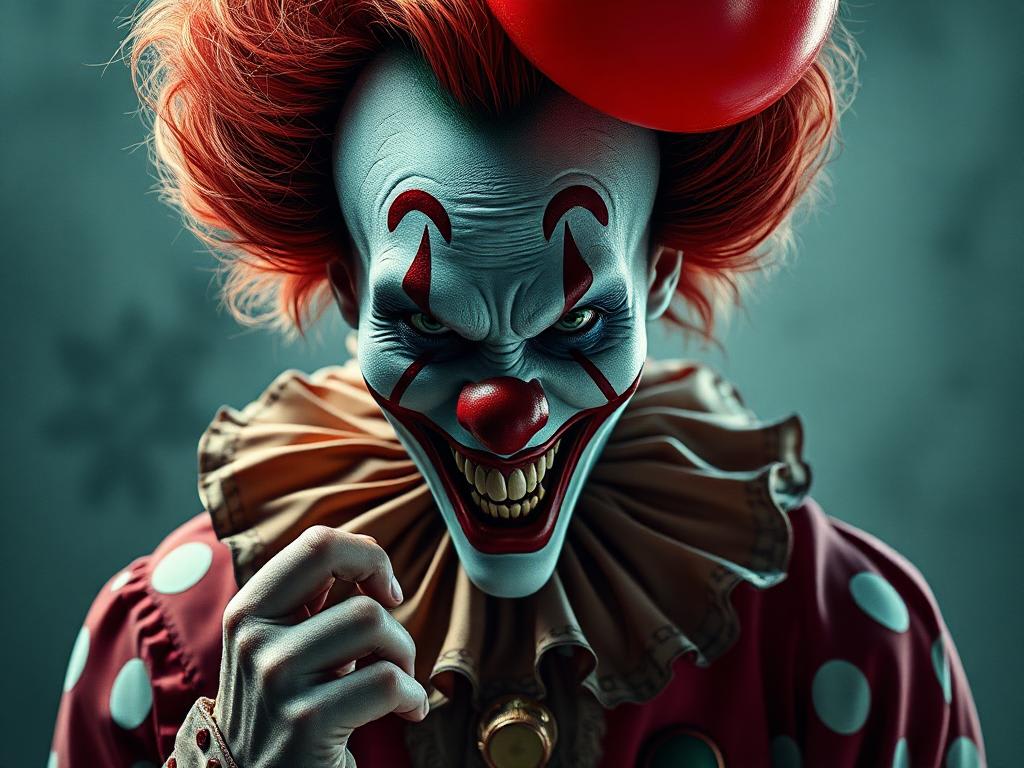
Clowns were once the epitome of joy and laughter, bringing smiles to the faces of children and adults alike with their whimsical antics. Yet, over time, these colorful characters have taken a sinister turn in the realm of popular culture, evolving into some of the most terrifying villains in cinema. How did these cheerful entertainers become symbols of fear?
The Historical Clown: Origins and Evolution
Clowns have a long history, with their roots tracing back to the 16th-century Italian commedia dell’arte. The harlequin, a mischievous and playful character, entertained audiences with humor and trickery. This character evolved into the modern clown, recognizable by their bright costumes, oversized shoes, and painted faces, performing in circuses and children's parties.
Despite their joyful exterior, clowns always carried an air of mystery. Their exaggerated expressions and hidden emotions hinted at something darker, laying the groundwork for their transformation into horror icons.
"We All Float Down Here: The Sinister Transformation of Clowns in Pop Culture" - IT (2017)
From Fun to Fright: The Dark Turn
The shift from amusement to terror wasn't sudden. It was shaped by a combination of real-life events and imaginative storytelling.
The Infamous John Wayne Gacy The 1970s brought a chilling real-world horror with John Wayne Gacy, a serial killer who performed as “Pogo the Clown” at children’s parties. His heinous crimes shattered the innocent image of clowns, intertwining them with fear and danger in the public's mind.
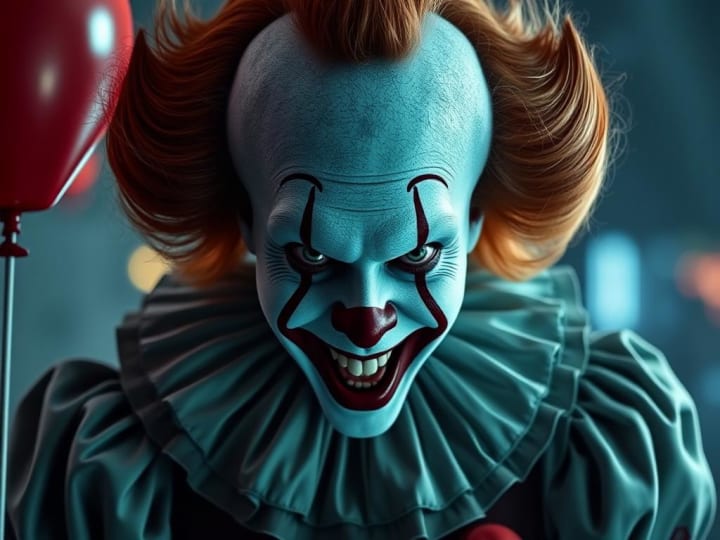
Pennywise: The Icon of Fear Stephen King’s It, published in 1986, introduced Pennywise the Dancing Clown, a character that has since become synonymous with fear. The adaptations in 1990 and 2017 brought Pennywise to the screen, where the clown's ability to exploit children's deepest fears struck a chord with audiences. Bill Skarsgård’s portrayal in the 2017 film solidified Pennywise as a legendary horror figure.
Cinematic Nightmares Films like Poltergeist (1982), featuring a sinister toy clown, and Killer Klowns from Outer Space (1988), a horror-comedy about alien clowns, further cemented the image of clowns as harbingers of terror. This trend continued with movies like Clown (2014) and Terrifier (2016), where clowns are depicted as monstrous villains.
The Psychological Impact of Clowns
Several factors make clowns effective horror characters:
Unpredictability: Their exaggerated features and unpredictable behavior create a sense of unease.
Uncanny Valley: Clowns often hover between human and inhuman, triggering discomfort.
Broken Trust: As symbols of joy, their transition to evil feels like a betrayal, heightening the fear.
Modern Interpretations and Continued Fascination
The fascination with scary clowns shows no signs of waning. Characters like Twisty from American Horror Story and Joaquin Phoenix's Joker (2019) continue to explore the darker sides of clown personas. The 2016 creepy clown sightings across the U.S. underscored the deep-rooted fear and intrigue surrounding these figures.
The Dual Nature of Clowns
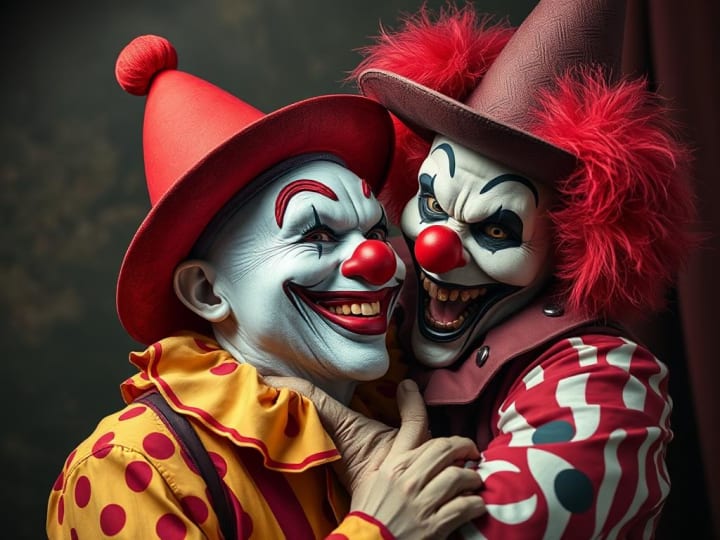
Clowns embody the delicate balance between joy and terror, reflecting our fascination with the duality of good and evil. Their journey from beloved entertainers to feared villains highlights our complex relationship with these painted faces. Next time you encounter a clown, consider the multifaceted nature of this iconic character—capable of bringing both laughter and fear.
Note: If you found value and enjoyment in this article, consider supporting me through BuyMeACoffee. Your support helps me create more insightful and interesting content. Thank you so much 😊…
About the Creator
Anthony Michael
A Student of History, an Aspiring Writer (Still Learning), & Likes to Collect Vintage Items. Currently, spending some time learning and studying online income methods.
Keep reading
More stories from Anthony Michael and writers in Horror and other communities.
Why Aren't People Reading Your Article?
Have you ever poured your heart and soul into an article, only to hear the deafening silence of a readership that seems to be utterly nonexistent? It’s a bit like throwing a party and realizing you’re the only one on the guest list. Where did everyone go? Did they get lost in the Bermuda Triangle of the internet? Did your riveting title scare them away?
By Anthony Michaelabout a year ago in Writers



Comments
There are no comments for this story
Be the first to respond and start the conversation.