
THE BLACK WEDDING: A Marriage with the Dead
A Marriage with the Dead: The Haunting Balkan Ritual


In the remote corners of the Balkans, hidden in the folds of mountain mist and old superstition, there exists a nearly forgotten ritual known as the black wedding. When a young man or woman dies shortly before their wedding, the ceremony may still proceed — but as a funeral infused with wedding rites. The bride dresses in black, brings offerings to the grave, and vows are spoken beside the casket. It’s believed that if a promised union is left unfinished, the soul of the deceased will find no peace — and may return.
This custom, haunting and deeply rooted in folk belief, is rarely practiced today. But the fear it once evoked still lingers in stories whispered by the old. One such tale comes from a village beneath Mount Rtanj — and of Milena, who married the dead.
In a forsaken village beneath Rtanj, where mountain fog descends like a funeral veil, people still whisper of a ritual no one dares perform anymore. The black wedding. A marriage among tombstones. A union with the buried.
Milena was made for life — a girl with eyes like ash after rain and a voice soft as dusk. Rade was hers, a blacksmith’s son, with fire-scarred hands and a rare smile that split silence like lightning. Their wedding was set. Invitations sent. Bread baked. Ribbons tied. And, as often happens when joy lingers too long in one place — misfortune came knocking.
First, a neighbor’s child grew ill. Fever. Cough. No diagnosis. Elders whispered: “Something ancient has stirred.” Within a week, Rade lay stone-still. Frozen eyes, cold limbs. When he drew his last breath, the village clocks stopped — literally. Three households found their clocks broken at that exact hour.
Milena didn’t cry. She sat by the window, holding the black silk ribbon she had planned to wear on her wedding day.
Then came the warnings. The elders — those who still burned herbs and feared the wind — said:
“If you don’t wed him, he won’t rest. Nor will you. He’ll come for you.”
Soon after, scratching began on windows after midnight. Dogs howled into silence. Chickens stopped laying eggs. One morning, they found a headless hen — no blood, just feathers. And stillness.
They made their decision: there would be a black wedding.
Milena agreed without a word.
Tradition demands the ritual take place at night, after midnight — in the hour when the dead listen, and the living fall silent. Beneath the veil of darkness, between worlds, the black wedding reunites what death has torn apart.
On the day of the ceremony, silence hung heavy. No chatter. No music. The bride wore a black dress with red embroidery to ward off demons. White had no place here.
At the cemetery, a table was laid: bread, salt, rakija. Rade’s coat hung from a pine branch. And the casket — open. So he could see. So he could hear.
Milena approached barefoot. No one told her to. Her steps on dry grass whispered like ghosts. She stood over the coffin and said:
“I, Milena, take Rade, in this world and the next.”
Then the wind brought the scent of something burning. And some swore Rade smiled. Two women fainted. One old man went blind soon after.
Then the elder women began to hum — low, wordless, mournful. The mourners formed a circle around the grave. They joined hands and began to dance.
A kolo — not of joy, but obligation. A dance for the dead. Slow, unsteady, grim. They moved around the open coffin as if each step stitched life and death together. Some say the earth trembled. Others say the coffin moved.
After the rite, Milena remained at the grave until dawn. She whispered — not prayers, but something older. A song no one knew. When they approached, she looked at them with glassy eyes and said:
“He’s still here. I can’t leave.”
Dogs went missing. A young girl lost her memory. Milena was never seen by day again. Only at night — a shadow walking toward the cemetery, carrying dried lavender.
The black wedding is no tradition. It is a contract. With souls. With what remains when flesh is gone.
Today, the village is nearly gone. A few crumbling houses. A wooden sign barely readable. But the cemetery remains untouched. And one candle — always burning low — on a grave shared under a single cross.
Milena never died — at least not like others. Some say she still walks the slopes of Mt. Rtanj, seeking those who break promises of the heart. Because when you vow love and fail to give it —
The black wedding comes to take it.
About the Creator
Beyond Known
Whispers from the edge of reality — true tales of the strange, the sacred, and the unexplained.
Reader insights
Nice work
Very well written. Keep up the good work!
Top insights
Compelling and original writing
Creative use of language & vocab
Easy to read and follow
Well-structured & engaging content
Excellent storytelling
Original narrative & well developed characters
Keep reading
More stories from Beyond Known and writers in Horror and other communities.
"My Daughter Isn’t a Woman for You — She’s Mine."
High up on a remote hill, far from towns and people, lived a father and his daughter. Alone. Isolated. Forgotten. Their house was falling apart, their yard overgrown and wild. They had three dogs, a rusty cart full of old things covered with a thick blanket, and a silence that screamed louder than any cry for help.
By Beyond Known9 months ago in Horror
"Scream 7" (2026): Running out of Fresh Screams
This is the seventh time we’ve had a Ghostface crisis. Scream 7 is the latest edition of the Scream franchise. Sydney Prescott and her family are under attack by another anonymous killer dressed in a Ghostface costume. While having issues with her daughter, Tatum, they run from the bloody murders, trying to determine who is behind it all.
By Marielle Sabbag6 days ago in Horror
The Bridge That Whispers
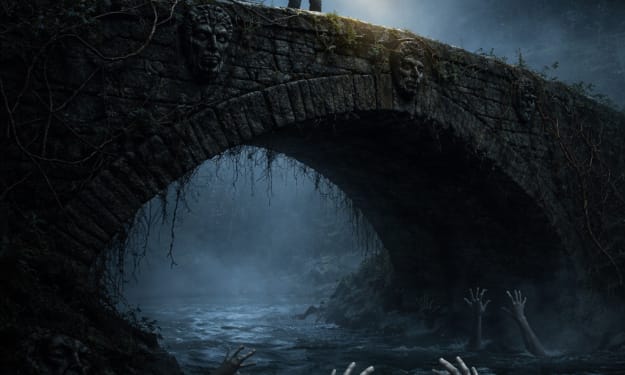
In bridge no one used anymore. It curved gently over a narrow river, its surface cracked and moss-covered, as if time itself had tried to bury it. Locals crossed the modern bridge downstream, leaving the old one to the fog, the wind, and the stories. Tourists were told the bridge was unsafe. Children were told it was haunted. Elena heard about it on her first night in Greyhaven. She had come from the city to catalog historical structures for a regional preservation project. Greyhaven was her last stop—quiet, remote, and perfect for work. The innkeeper, a thin man with pale eyes, hesitated when she mentioned the old bridge. “Don’t go there after sunset,” he said. “It talks.” Elena laughed politely. She had spent years documenting ruins, castles, and forgotten churches. Every village had a ghost story to protect a pile of stones. Still, she noticed how the innkeeper’s hand trembled when he handed her the room key. The next morning, Elena walked to the bridge with her camera and notebook. In daylight, it looked harmless—beautiful, even. Wildflowers grew between the stones, and the river below whispered softly. She took photographs, measured the arch, and noted the erosion. There were strange carvings on the sides: not words, but twisted symbols, worn almost smooth. That night, she dreamed of water. In her dream, she stood on the bridge in thick fog. The river beneath her was silent, black as ink. From the stones under her feet came a low sound, like breath passing through teeth. Come back. She woke suddenly, heart racing. Outside her window, the fog was rolling in from the hills. Elena told herself it was only a dream caused by fatigue. But the next night, it happened again. This time, the whisper was clearer. Come back to us. On the third day, she asked a woman in the village café about the bridge. The woman stopped stirring her coffee. “They drowned there,” she said quietly. “Long ago. When the river flooded, the bridge broke in the middle. A wedding party was crossing. Carriage, horses, music… all gone. People say the stones remember the weight of them.” Elena felt a chill run down her spine. “That’s just a story, right?” The woman looked up. “Stories begin somewhere.” That evening, driven by curiosity and something darker—something pulling at her—Elena returned to the bridge at dusk. Fog wrapped around the riverbanks like a living thing. The modern bridge lights glowed far away, safe and distant. She stepped onto the old stones. The air felt colder in the center of the bridge. Her breath became visible. Then she heard it: soft footsteps behind her. She turned. No one was there. The river below began to make a different sound—not water, but voices. Murmuring, layered and slow. Stay. Elena backed away, but her foot caught on a broken stone. She fell to her knees. The carvings along the bridge seemed deeper now, sharper. They formed shapes—faces, frozen in stone, mouths open in endless screams. Hands rose from the mist. They were pale, dripping, reaching for her ankles. Elena screamed and scrambled backward, tearing her coat on the rough stone. One cold hand brushed her skin, and in that moment, she saw it: a flash of the past. Horses panicking. A carriage tipping. People crying out as dark water swallowed them. And then silence. She ran. By the time she reached the inn, her legs were shaking so badly she could barely stand. The innkeeper saw her face and said nothing—only locked the door behind her. She left Greyhaven the next morning without finishing her work. Months later, her report mentioned “structural instability” and “severe erosion.” It said nothing about whispers or hands or memories trapped in stone. But sometimes, when Elena stands on bridges in other cities—busy ones filled with traffic and noise—she feels a vibration under her feet, like a distant echo. And in the sound of rushing water, she hears a familiar voice: Come back.
By Iazaz hussain6 days ago in Horror
Who is your "Person"?
It's important to recognize that you cannot go through life as easily on your own. My name is Elizabeth and I'm a survivor of child abuse and horrific trauma. Healing from trauma is not a quick fix and recognizing that it will take time, is part of the struggle.
By Elizabeth Woods5 days ago in Psyche



Comments (2)
This black wedding ritual is seriously creepy. It makes you think about how superstition can shape strange customs. I've heard of some odd local traditions, but this one takes the cake.
This is pretty well done! It feels like an urban legend that you'd hear from an old man you'd find in the woods. And your narrative voice reflects that vibe perfectly!