
The Best Mystery Endings of All Time
From gasp-worthy reveals to chilling last lines

Introduction: The Power of a Perfect Twist
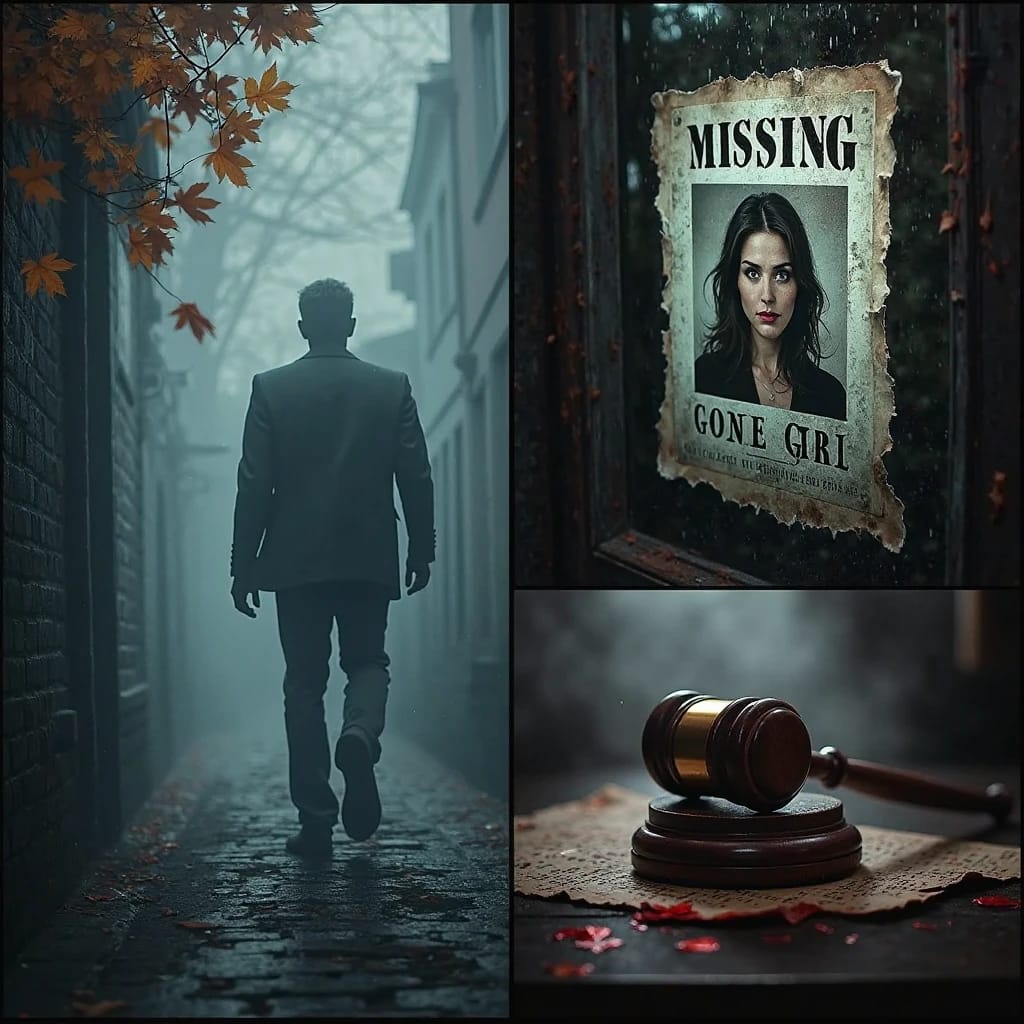
In the world of mystery writing, a great twist ending isn’t just a surprise—it’s a payoff. Readers don’t mind being deceived, as long as the deception was clever and fair. From Agatha Christie’s classic And Then There Were None to modern psychological thrillers like Gone Girl and the cinematic genius of The Sixth Sense, certain stories have redefined the genre with endings that readers (and viewers) never forget. But what makes these endings truly effective? Let’s unpack three iconic mystery conclusions and explore why they work—and how you can use these lessons in your own writing.
1. The Sixth Sense (1999)
The Twist: The protagonist, Dr. Malcolm Crowe, is revealed to have been dead all along.
Why It Worked:
M. Night Shyamalan’s The Sixth Sense became a cultural touchstone largely because of its perfectly executed twist. The reveal—that the child psychologist helping a boy who "sees dead people" is himself a ghost—is stunning. But it doesn't come out of nowhere. The brilliance lies in the storytelling misdirection. The film never lies; it simply guides your attention away from the truth.
Narrative Tools Used:
Visual Cues: Crowe never interacts with anyone but the boy after being shot.
Minimal Dialogue: Scenes are constructed so viewers interpret silence as estrangement, not impossibility.
Emotional Anchoring: We relate to Crowe’s emotional confusion, so we accept what we see at face value.
Takeaway for Writers:
A twist should recontextualize everything that came before. When readers revisit your story, they should see how the twist was right there all along—they just didn't know what to look for.
2. Gone Girl (2012)
The Twist: The missing wife isn’t dead—she orchestrated her own disappearance to frame her husband.
Why It Worked:
Gillian Flynn’s Gone Girl isn’t just a story of a missing woman; it’s a deep dive into manipulation, media, and toxic relationships. The twist doesn’t come at the very end—it’s the midpoint reveal that Amy Dunne is alive and playing the long game. Yet the ending, too, packs a chilling punch: Amy returns, pregnant, and her husband stays with her. It’s not justice. It’s something worse—mutual destruction disguised as family.
Narrative Tools Used:
Unreliable Narrators: Both Nick and Amy lie to the reader, creating a dual-layered mystery.
Diary Format: Amy’s false diary entries build emotional investment before flipping the narrative.
Emotional Subversion: Readers hope for a happy resolution, only to be left in a moral gray area.
Takeaway for Writers:
Don’t be afraid to play with structure. A twist doesn't always need to come at the end—it can pivot the story at a key moment and keep building tension from there. Also, remember: not all resolutions need to be “fair” to be satisfying. They just need to be true to the characters.
3. And Then There Were None (1939)
The Twist: The killer is one of the “dead” victims, who faked his own death to carry out justice.
Why It Worked:
Agatha Christie's And Then There Were None remains one of the best-selling mystery novels of all time. Ten strangers are lured to an isolated island, accused of crimes, and killed one by one. The solution: Justice Wargrave, the judge, fakes his death to eliminate the others according to a moral code.
The twist is poetic, horrifying, and methodical. It satisfies both the reader’s craving for justice and their love of suspense.
Narrative Tools Used:
Pattern and Symbolism: The nursery rhyme “Ten Little Soldiers” adds rhythm and dread.
Psychological Motive: Wargrave’s logic is cold, yet chillingly rational.
Confession Letter: The final letter reveals everything without resorting to a "detective explains" trope.
Takeaway for Writers:
Symmetry and structure matter. Christie used a poetic device (the rhyme) to frame the murders, giving the story an eerie inevitability. Your ending doesn’t need to be "shocking"—it should be the inevitable result of the story’s internal logic.
Common Traits of Great Mystery Endings
Across these stories, the endings work because they fulfill one or more of the following principles:
They reward attentive readers/viewers. The clues were there all along.
They are emotionally resonant. Whether tragic, unsettling, or ironic, they leave a lasting feeling.
They respect internal logic. Even if shocking, the twist is earned—never random or gimmicky.
They enhance re-read value. These stories beg to be revisited, because the experience changes once you know the truth.
Final Thoughts: How to Craft Your Own Master Twist
Crafting a great twist isn’t about being clever for clever’s sake. It’s about trust. You’re making a silent pact with the reader: “Come with me. I’ll surprise you, but I won’t cheat you.”
Here’s how to keep that pact:
Drop fair clues. Foreshadow the truth, but bury it in plain sight.
Use point-of-view strategically. Limit or skew what your narrator knows or reveals.
Play with structure. Midpoint twists, dual timelines, or found documents can add depth.
End with impact. The final lines should leave readers stunned, satisfied, or unsettled—in the best way.
So whether you're writing the next psychological thriller or a classic whodunit, remember: readers love a good twist—not just for the shock, but for the satisfaction that comes when all the pieces finally fall into place.
About the Creator
Muhammad Sabeel
I write not for silence, but for the echo—where mystery lingers, hearts awaken, and every story dares to leave a mark
Keep reading
More stories from Muhammad Sabeel and writers in Horror and other communities.
The Insanity Eater: Beware the Eye That Feeds
Beware, beware the creature’s eye She feeds from fear deep in your mind The words carved into the cover of the disfigured leather journal. Remnants of arson gnawed on the edges of its half-burnt spine, and traces of murder stained the once freshly cut birch pages; to the stench of rotting flesh. The inspector closely examined the warning on the cover under fading light of his candle. Too hard to be penetrated by quill, yet the engraving lacked the precision of a blade. The madman had dug his own nails into the book, as if the warning was for himself.
By Muhammad Sabeel10 months ago in Horror
The Forsyth House Fire
Since 1851, Forsyth House has stood on the corner of Union Street and Gordon Street in the heart of Glasgow. Its iconic, or was... because on Sunday 8th of March, 2026, a fire broke out in a small, seemingly un-named shop in the building and tore all that history down. As I write, the rubble is still unsettled and the street is still blocked off. Central Station is quiet on the upper level, and around 30 small businesses have quite literally gone up in smoke.
By S. A. Crawford2 days ago in The Swamp


Comments (1)
Nice! Some great advice and tools a writer can use when crafting the twist!