
The Best Horror Books of All Time – Frankenstein
Frankenstein by Mary Shelley (1818): The Birth of Gothic Horror and Science Fiction

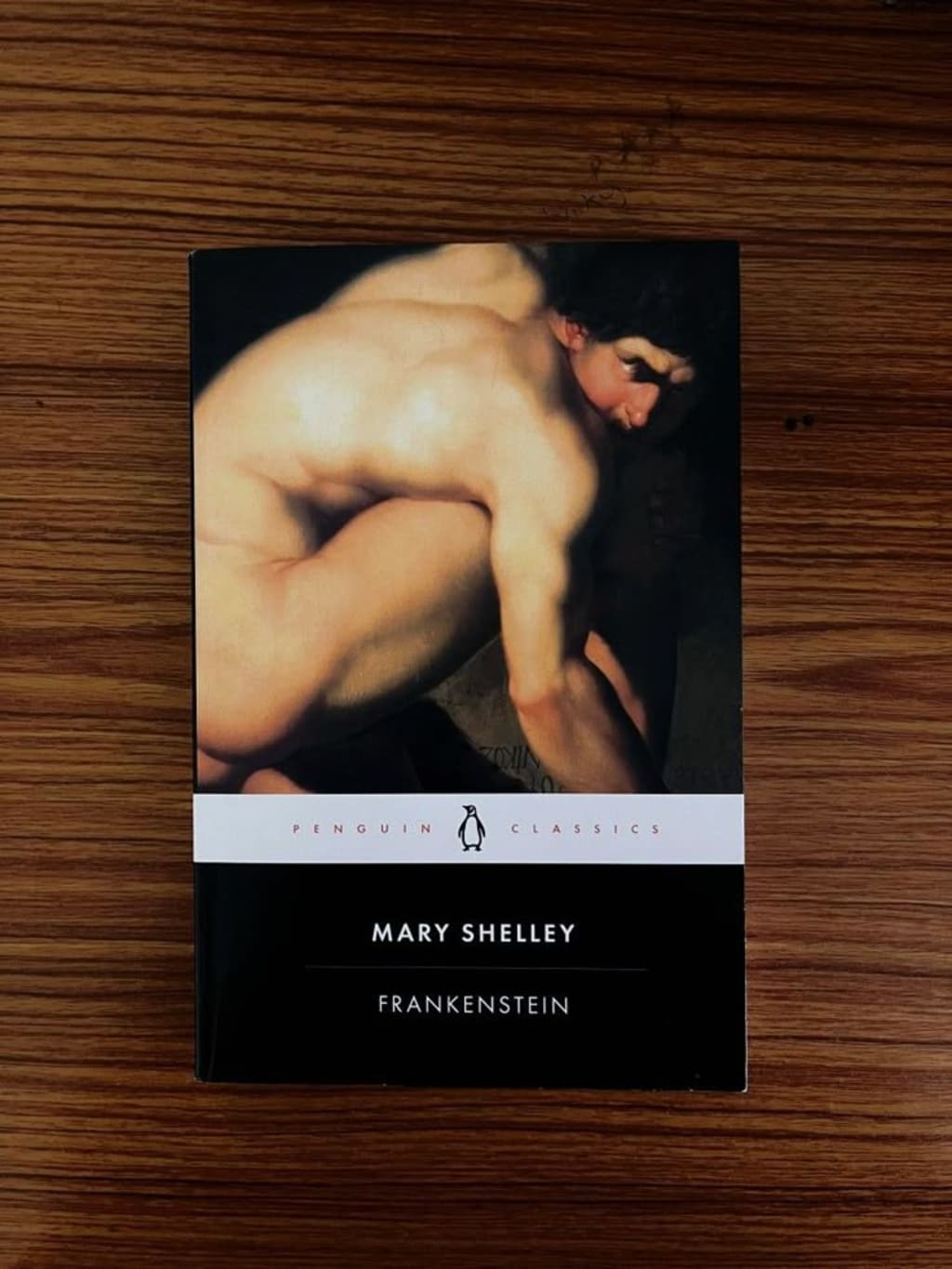
Introduction:
Published in 1818, Frankenstein; or, The Modern Prometheus is not just a Gothic horror novel—it’s the foundation of science fiction and a profound exploration of human ambition, isolation, and monstrosity. Written by Mary Shelley at just 18 years old, the novel has endured for over 200 years, inspiring countless adaptations, debates, and philosophical discussions.
But what makes Frankenstein so timeless? Was the Creature really a "monster," or a victim of abandonment? And how did a ghost story challenge among friends lead to one of literature’s greatest works?
✔ The origins of Frankenstein (How a stormy night in Geneva birthed a legend)
✔ A full breakdown of the plot (Tragedy, revenge, and forbidden science)
✔ Key themes & analysis (Playing God, nature vs. nurture, and societal rejection)
✔ The Creature: Monster or misunderstood?
✔ Frankenstein’s legacy in pop culture (From Boris Karloff to AI ethics)
The Creation of a Monster – How Frankenstein Was Born
The Famous Night at Villa Diodati (1816)
In the "Year Without a Summer" (due to a volcanic eruption), Mary Shelley, her future husband Percy Bysshe Shelley, Lord Byron, and John Polidori gathered in Switzerland. To pass the time, Byron proposed a ghost story contest.
While others wrote short tales, Mary envisioned a full novel—inspired by:
Galvanism (experiments reanimating dead tissue with electricity)
Greek myth of Prometheus (who stole fire from the gods)
Her own tragic life (losing her mother early and suffering a child’s death)
Publication & Initial Reception
Released anonymously in 1818 (many assumed Percy Shelley wrote it).
A revised edition (1831) clarified Mary’s authorship and softened Victor’s character.
Early critics called it "impious" and "disturbing" but couldn’t ignore its power.
Frankenstein – Full Plot Summary
Frame Narrative: Captain Walton’s Letters
The story begins with Robert Walton, an Arctic explorer who rescues a dying man—Victor Frankenstein. Victor recounts his tragic tale.
Victor’s Obsession with Life & Death
A brilliant but arrogant scientist, Victor becomes obsessed with creating life.
He assembles a humanoid body from corpses and reanimates it.
Horrified by his grotesque creation, he abandons it.
The Creature’s Awakening & Revenge
The nameless Creature (often mislabeled "Frankenstein") is intelligent, emotional, and lonely.
After being rejected by society, he learns to speak and read (Paradise Lost, Plutarch’s Lives).
He begs Victor for a female companion, but Victor refuses, fearing a race of monsters.
The Creature kills Victor’s brother, best friend, and bride in revenge
The Final Chase & Tragic End
Victor pursues the Creature to the Arctic but dies aboard Walton’s ship.
The Creature, mourning his creator, vows to kill himself.
Major Themes & Analysis
1. The Dangers of Playing God
Victor’s hubris mirrors Prometheus’ defiance of the gods.
Shelley warns against unchecked scientific ambition—a theme still relevant in AI and genetic engineering debates.
2. Nature vs. Nurture: Is Evil Born or Made?
The Creature starts innocent but turns violent due to rejection.
Shelley challenges who the real monster is—Victor or his creation?
3. Isolation & Loneliness
Both Victor and the Creature suffer extreme solitude.
The Creature’s plea: "I was benevolent and good; misery made me a fiend."
4. Society’s Fear of the Other
The Creature is judged solely on appearance, echoing real-world prejudice.
The Creature – Monster or Victim?
Arguments That the Creature Is a Monster
Murders innocent people (William, Clerval, Elizabeth).
Manipulates Victor psychologically.
Arguments That the Creature Is a Victim
Abandoned at "birth" with no guidance.
Desperately seeks love but is met with violence.
Compares himself to Satan in Paradise Lost: "I ought to be thy Adam, but I am rather the fallen angel."
Shelley’s Message
The novel forces readers to question who bears responsibility—the creator or the creation?
Frankenstein’s Legacy in Pop Culture
Stage & Early Adaptations
1823 play made the story famous (adding the "It’s alive!" trope).
1931 Universal film (starring Boris Karloff) defined the green-skinned, bolt-necked monster we know today.
Modern Retellings
Penny Dreadful (TV) – Explores the Creature’s humanity.
The Frankenstein Chronicles (TV) – A detective twist.
Poor Things (2023 film) – A feminist reimagining.
Influence on Science Fiction & Ethics
Inspired AI narratives (Blade Runner, Ex Machina).
Debated in bioethics (cloning, CRISPR gene editing).
Conclusion: Why Frankenstein Still Terrifies & Inspires
Over 200 years later, Frankenstein remains shockingly relevant. It’s a cautionary tale about:
✔ Scientific ethics (How far should humans go?)
✔ Parental responsibility (Victor as a neglectful "father")
✔ Society’s cruelty (Rejecting those who look different)
Mary Shelley didn’t just write a horror story—she crafted a philosophical masterpiece that asks:
"What does it mean to be human?"
Do you think the Creature was a villain or a victim?
Which adaptation is your favorite?
Let us know in the comments!
About the Creator
Keep reading
More stories from Silas Blackwood and writers in Horror and other communities.
'WEAPONS' Review
Let me preface this by saying that I never watch trailers for new movies the majority of the time. To add more to that statement I normally don't watch them all the way through when I do watch them anymore. The reason for this being that in the last decade films began giving a little too much away in the trailer. That especially goes for the horror genre. Without rambling for too long about trailers lets get to the one at hand, 'Weapons'.
By Lyvia Jack3 days ago in Horror


Comments (1)
Fascinating read. Galvanism and Greek myth blend well. I wonder how different the story would be without Mary's tragic life influence.