
The Anatomy of Fear
Understanding the Science Behind Horror Stories
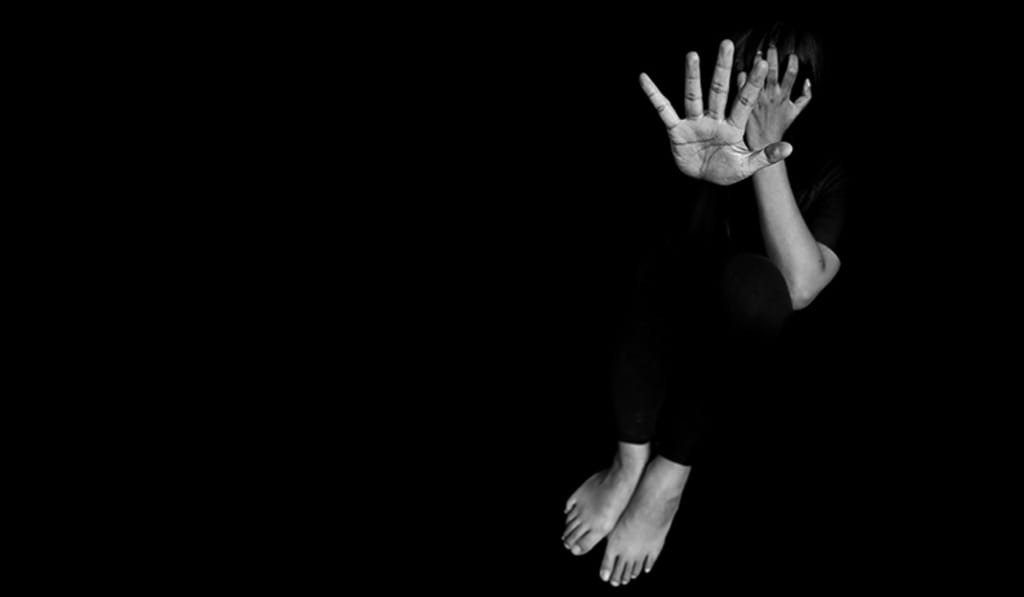
The Anatomy of Fear
Understanding the Science Behind Horror Stories
As human beings, we have an innate fascination with the things that scare us. From childhood tales to blockbuster movies, horror stories have always captured our imagination and left us with a sense of fear that we cannot help but crave. But have you ever wondered why we love to be scared? In this article, we will delve into the science behind horror stories and explore the different ways that fear affects us. Join us as we take a journey into the anatomy of fear and uncover the secrets that make horror stories so appealing.
Introduction:
Horror stories have been around for centuries, captivating audiences with tales of ghosts, monsters, and otherworldly creatures. From the ancient folklore of witches and vampires to the modern-day horror movies that we all know and love, the appeal of horror stories is undeniable. But what is it about these stories that makes us want to watch and read them? And why do we enjoy being scared so much? In this article, we will answer these questions and explore the science behind fear.
Section 1: The Psychology of Fear
To understand the appeal of horror stories, we must first look at the psychology of fear. Fear is a basic human emotion that has evolved over time to protect us from danger. It triggers the fight or flight response in our bodies, preparing us for a physical response to a threat. But fear also has an emotional component that can be addictive. Studies have shown that the brain releases dopamine when we experience fear, which can create a feeling of pleasure that we associate with being scared. This is why we often seek out scary movies and stories, even when we know they will frighten us.
Section 2: The Anatomy of Fear
When we experience fear, our bodies undergo a series of physiological changes. These changes are part of the fight or flight response and are designed to prepare us to face a threat. Our heart rate increases, our breathing becomes faster, and our muscles tense up. These changes are controlled by the sympathetic nervous system, which is responsible for our automatic responses to stress. But fear also has an impact on other parts of our body, including our immune system and our digestive system. In the long term, fear can lead to chronic stress, which can have negative effects on our health.
Section 3: The Appeal of Horror Stories
So why do we enjoy horror stories if they make us feel afraid? One theory is that horror stories allow us to experience fear in a safe and controlled environment. When we watch a scary movie or read a scary book, we know that we are not in real danger. This allows us to enjoy the experience of fear without actually putting ourselves in harm's way. In addition, horror stories can be cathartic, allowing us to confront our own fears and anxieties in a controlled setting.
Section 4: The Evolution of Horror Stories
Horror stories have been around for centuries, but the genre has evolved over time. From the ancient tales of witches and ghosts to the modern-day slasher movies, horror has adapted to reflect the fears and anxieties of each generation. Today, horror stories often reflect the fears of our modern society, such as technology, globalization, and the environment. But no matter what the subject matter, horror stories continue to captivate audiences and provide a thrill that cannot be found in any other genre.
Section 5: Tips for Writing a Horror Story
If you are interested in writing a horror story, there are a few tips that can help you create a truly terrifying tale. First, you should focus on creating a sense of atmosphere and mood. The setting and tone of your story can be just as important as the plot and characters. Second, you should use sensory details to immerse your reader in the story. By describing sights,
About the Creator
Keep reading
More stories from writers in Horror and other communities.
Killing him slowly
There’s an intruder in my house again. He stumbles through the door, wet carrier bags in hand. He’s bought me offerings. I show my appreciation, letting him caress my beautiful body. He wants to touch me. I rub myself against his legs. He sighs, dropping the bags. He can’t resist touching me. Running his hand slowly down my spine, I arch my back towards his caress, let out a low purr. It’s what we both need.
By N J Delmasa day ago in Horror
Are ghosts real?
Out of the corner of your eye—what was that moving shadow? And what keeps going bump in the night? Many people would give a simple answer: ghosts. After all, everyone has heard a ghost story, and many claim to have had a personal brush with spirits. Yet, many others are more skeptical, stating that the idea of ghosts makes no sense. How about you? Do you believe in ghosts?
By Michelle Lee4 days ago in Horror
🅼🅸🅳🅽🅸🅶🅷🆃 🆂🅽🅰🅲🅺🆂
"It's 10 in Tuscon! We all know what that means... It's Time for Midnight Snacks with your man, Gerald Gee! Ready to spend the night together? Me too! I'm full of snacks and can't wait to regurgitate them all back into your hungry ears. Crack a brew! Pop some corn! Anything to get ready for one hell of a show where the talk maybe cheap but the words cut deep...
By Lamar Wiggins7 days ago in Fiction


Comments
There are no comments for this story
Be the first to respond and start the conversation.