
Surviving Snake Island: The Perilous Challenge of 30 Days in a Serpent's Paradise
Exploring the Treacherous Wilderness, Deadly Encounters, and Ethical Dilemmas on Brazil's Forbidden Isle


Surviving the Deadly Challenge: 30 Days on Snake Island
Imagine a place so perilous that it's illegal to visit, where the very air you breathe is teeming with danger. Welcome to Snake Island, located 40 kilometers off the coast of Brazil. For most, this treacherous land is a forbidden realm, but for thrill-seeking adrenaline junkies, rules are mere obstacles to conquer. Picture yourself camping out for an entire month in the untamed wilderness of Snake Island, where every second could be your last. In this 1000-word article, we embark on a perilous journey to explore where you'd find shelter, how long you might survive if bitten, and the consequences of attempting to bite the deadliest inhabitants—the golden lancehead vipers.
The Untamed Wilderness:
Snake Island, known as Ilha de Queimada Grande or Ilha da Queimada Grande, is a tropical death trap, where survival without resources or help seems nigh impossible. In 2019, when a fishing boat sank near the island, two individuals chose the uncertainty of a sinking vessel over a single moment on this serpent-infested haven. That alone should paint a vivid picture of its danger.
Why Would Anyone Dare?:
You might wonder, why would anyone risk their life to visit this island? The answer is simple; most people who venture to Ilha de Queimada Grande have no intention of staying more than a few hours. The island's reputation precedes it, and for good reason.
Survival Strategies:
To have even a remote chance of surviving on Snake Island, you'd need to be well-prepared. Here's what you might consider:
1. Shelter:
Stay close to the shoreline. The dense forest beyond the treeline is a perilous zone inhabited by the island's deadliest predators—the golden lancehead vipers. Crafting a shelter from available materials near the coast is your best bet to protect yourself from the elements.
2. Avoiding the Deadly Inhabitants:
Experts estimate that there's roughly one snake per square meter across the island's 430,000 square meters. The golden lancehead vipers, numbering as many as 4,000, are the most formidable adversaries. These snakes have evolved venom so potent that it is five times more deadly than that of mainland snakes. A single bite could be lethal if left untreated, causing kidney damage, muscle tissue destruction, and internal bleeding.
3. Sourcing Water:
Freshwater sources are scarce and often infested with snakes. Collecting rainwater using leaves or other improvised means is the safest option. However, the risk of encountering snakes while procuring water is ever-present.
4. Sustenance:
As hunger takes hold, you'd need to forage for food. Bananas, found near the forest's edge close to the coastline, could provide sustenance. However, when desperation sets in, you might contemplate the unthinkable—eating one of the snakes, provided you carefully remove its venomous glands. This is an extremely risky and ethically questionable option.
Poaching and Bio-Piracy:
One of the greatest threats on Snake Island is not just the snakes but also the presence of poachers and bio-pirates. These criminals are after the immensely valuable golden lancehead vipers, which can fetch staggering sums on the black market. The demand for these snakes has also led to their use in pharmaceuticals, particularly for treating high blood pressure. Unfortunately, this high demand has contributed to a dire 50% decline in the viper population in just 15 years, placing them on the endangered species list.
Swallowing Snake Venom:
The portrayal of swallowing snake venom, often seen in movies, is far from a viable survival strategy. Venom is only harmful when it enters your bloodstream through a bite. Attempting to consume snake venom is dangerous and ineffective for hydration or sustenance.
The Moral Dilemma:
Surviving on Snake Island is not just a physical challenge; it's also a moral one. The delicate balance of this ecosystem and the ethical implications of harming an endangered species weigh heavily on any decision to eat or harm the island's deadly inhabitants.
The Real Danger:
In a place where bio-pirates, poachers, and venomous snakes reign supreme, you, the thrill-seeking adventurer, would be the true endangered species. The dangers you face would extend beyond the treacherous reptiles to include human adversaries with equally perilous motives.
The Rarity of Snake Venom:
Snake venom is a precious commodity, and it's not just bio-pirates who covet it. Since 1981, even pharmaceutical companies have been using snake venom in medications to treat high blood pressure. This demand for snake venom has contributed significantly to the decline in the viper population on Snake Island, making every snake's venomous secretion a valuable asset.
In Conclusion:
While the idea of a month-long stay on Snake Island may sound like the ultimate adventure for a thrill-seeker, the reality is far grimmer. The island's hostile wildlife, particularly the golden lancehead vipers, combined with the presence of poachers, makes it an exceedingly perilous destination. Survival is not just a physical challenge but a moral one as well, with the delicate ecosystem and ethical dilemmas weighing heavily on every decision. In the end, Snake Island remains a place best admired from a distance, where the dangers are real, and the consequences of exploration are potentially fatal.
About the Creator
Keep reading
More stories from writers in Horror and other communities.
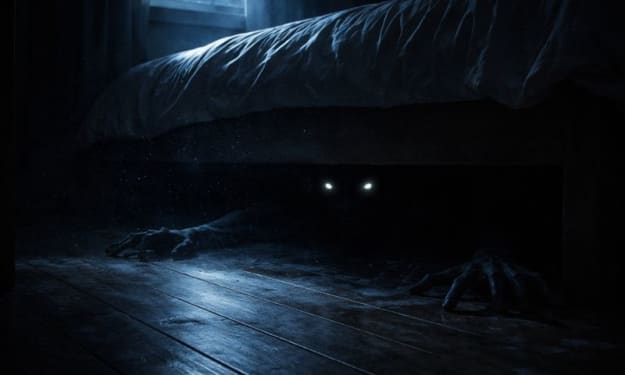
Something Is Living Under My Bed
I used to believe monsters only existed in a child’s imagination. Sharp teeth, glowing eyes, clawed hands reaching from the dark—things parents dismiss with a laugh before turning off the lights. I believed that too, once. Until the night I realized the fear under my bed wasn’t imaginary.
By David John7 days ago in Horror



Comments
There are no comments for this story
Be the first to respond and start the conversation.