
Some people enjoy horror and torture movies
The fascination with horror and even torture movies is a complex phenomenon that has intrigued psychologists,and film critics.


While horror movies have a long-standing fan base, torture or "extreme horror" films—like Saw or Hostel—have sparked an even more intense debate about why people are drawn to such graphic and disturbing content. The reasons people enjoy horror movies, and in some cases, movies with torture or extreme violence, stem from a mix of psychological, social, and even biological factors. These elements combine to create a unique thrill that certain viewers find irresistible.
One major factor is the adrenaline rush that horror movies provide. Horror movies trigger our fight-or-flight response, flooding our brains with adrenaline, endorphins, and dopamine. This chemical reaction can feel exhilarating, similar to what people experience when riding a roller coaster or skydiving. For many, this adrenaline surge provides a safe way to experience the thrill of fear without real-world danger. Our brains know that what’s happening on the screen isn’t real, but our bodies still respond as though it were, giving us an intense emotional experience. This rush can even be addictive for some, which is why they continuously seek out scarier and more intense films.
The thrill of horror is also tied to our brain's reward system, particularly through dopamine. Dopamine is released when we anticipate something pleasurable, and horror movies are designed to keep viewers on the edge of their seats, creating anticipation and suspense. This suspense builds up our dopamine levels, making the experience highly engaging and rewarding. In movies with torture or extreme horror elements, the stakes are even higher, which can amplify the dopamine release, making these films particularly captivating for those seeking a heightened emotional response.
Another reason people are drawn to horror and torture movies is the sense of control they offer over fear. Life is filled with unpredictable and sometimes terrifying events, and horror films give us a safe space to confront our fears. By watching these movies, people are able to face scary situations from the comfort of their own homes or a theater, where they know they are ultimately safe. This experience can be empowering, giving people a sense of mastery over their own emotions. For some, watching extreme horror or torture scenes serves as a form of "exposure therapy" where they become desensitized to fear and gore, helping them feel more resilient.
The catharsis theory also plays a role in why people enjoy horror. According to this theory, horror movies allow viewers to release pent-up emotions and frustrations. Watching violence and horror on screen can act as an emotional outlet, enabling people to confront and process darker aspects of their psyche that they may not normally acknowledge. This is especially relevant in torture or extreme horror films, where the heightened violence and gore may provide a more intense cathartic release. By watching others endure terrifying situations, viewers may feel a sense of relief or purification, releasing their own anxieties and frustrations.
Social factors also influence why people enjoy horror and torture films. Watching horror movies can be a bonding experience, especially when viewed with friends or a partner. The intense emotions and shared scares bring people closer together, creating a sense of camaraderie. Studies show that people often feel more attracted to others after experiencing fear together, which explains why horror movies are a popular choice for dates or group gatherings. For fans of extreme horror, the shared experience can also foster a sense of belonging within a niche community. People who enjoy these movies often discuss and debate the most shocking scenes, building a subculture around their shared interests.
Horror movies also provide an escape from everyday life, allowing people to explore worlds that are darker, scarier, and more chaotic than their own. In a sense, watching horror films serves as a way to experience the ultimate "what-if" scenarios without real-world consequences. Torture films and extreme horror take this a step further, delving into humanity’s darker impulses and fears. For some viewers, this exploration of the macabre can be intellectually stimulating, as it forces them to confront uncomfortable ethical questions about pain, suffering, and survival. While these films can be disturbing, they also offer a window into extreme human psychology, which fascinates certain viewers.
Lastly, the enjoyment of horror and torture movies can sometimes be attributed to personality traits. Studies suggest that people who score high in traits like sensation-seeking or openness to experience are more likely to enjoy horror movies. Sensation-seekers are drawn to intense, novel experiences, and horror films provide the perfect mix of thrill and shock. Similarly, people who are highly open to new experiences may be more willing to engage with unconventional or transgressive forms of entertainment, including extreme horror. These personality traits make certain individuals more receptive to the unique excitement that horror movies provide.
In conclusion, people enjoy horror and torture movies for a variety of reasons, ranging from the biological thrill of adrenaline to the psychological satisfaction of facing fears in a controlled environment. For some, these movies provide a form of emotional release, while others find intellectual curiosity in exploring the darker side of humanity. Social dynamics also play a role, as horror films create shared experiences that foster bonding and community. Finally, personality traits like sensation-seeking and openness influence how much one enjoys this genre. Ultimately, horror and torture movies offer an intense, multifaceted experience that appeals to a diverse range of audiences, each with their own unique reasons for being drawn to the darker side of cinema.
About the Creator
Badhan Sen
Myself Badhan, I am a professional writer.I like to share some stories with my friends.
Keep reading
More stories from Badhan Sen and writers in Horror and other communities.
The scariest movie I have ever watched
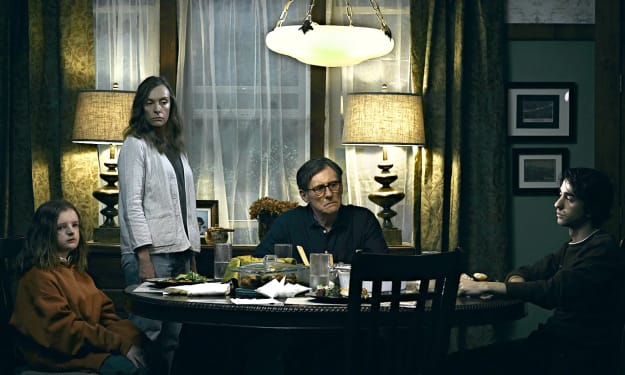
Hereditary movie stands out as one of the most disturbing and deeply terrifying movies of recent years, not only because of its unsettling imagery but also because of its emotionally intense storyline and psychological depth. Unlike traditional horror movies that rely heavily on jump scares or supernatural gimmicks, Hereditary instills a sense of dread that is subtle and pervasive, leaving viewers feeling haunted long after the credits roll. Here’s why it’s so scary and what makes it an extraordinary horror experience.
By Badhan Senabout a year ago in Horror



Comments
There are no comments for this story
Be the first to respond and start the conversation.