
Sex of Spirits: Perspectives and Experiences
Experiences and Anecdotes
Introduction
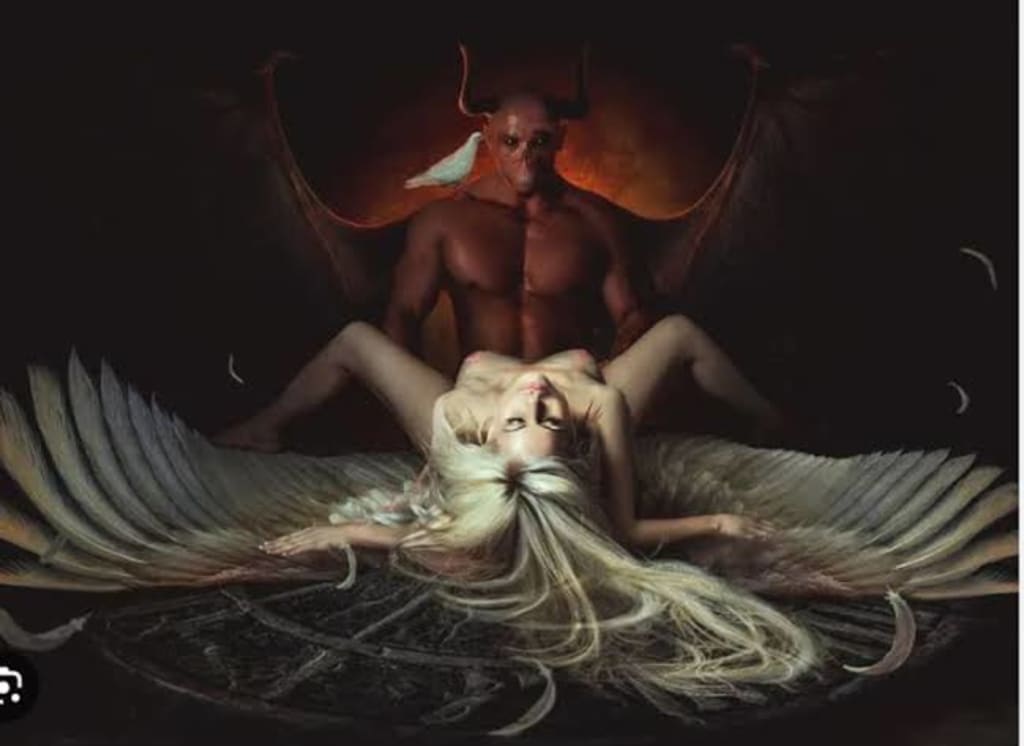
The concept of spirits and their interaction with the material and spiritual realms has long fascinated humanity. Across cultures and religions, spirits are believed to exist as entities free from the constraints of the physical body. Among the many questions surrounding spirits, one particularly intriguing topic is whether spirits possess a sex or gender. This article explores the perspectives, interpretations, and experiences associated with the sex of spirits, delving into religious beliefs, philosophical inquiries, metaphysical interpretations, and anecdotal accounts.
Theoretical Framework: What Are Spirits?
To understand the question of the sex of spirits, it is essential first to define what spirits are. In various traditions, spirits are described as immaterial beings that may be:
Human souls: Departed souls that have left their physical bodies but retain their consciousness.
Angelic or demonic entities: Non-human spirits created for specific purposes, such as angels or jinn in Islamic theology.
Nature spirits: Beings associated with natural elements, such as fairies, nymphs, and sylphs in folklore.
Spirits are typically believed to transcend the physical and exist in realms beyond ordinary human perception. This raises questions about their characteristics, including whether concepts such as sex and gender—which are inherently tied to physical biology—apply to them.
Perspectives on the Sex of Spirits
1. Religious Perspectives
Abrahamic Religions
Judaism: In Jewish theology, spirits such as angels are often perceived as genderless beings. They are described as messengers of God who have no physical form, thus lacking biological attributes like sex.
Christianity: While the Bible occasionally anthropomorphizes angels (e.g., referring to them with masculine pronouns), theological interpretations generally regard them as non-corporeal and therefore beyond gender.
Islam: Islamic teachings describe jinn and angels as distinct types of spirits. While angels are considered genderless, jinn are said to have the ability to reproduce, implying some form of sexual differentiation.
Eastern Religions
Hinduism: In Hindu cosmology, spirits such as devas (divine beings) and apsaras (celestial nymphs) are often depicted with gendered characteristics. However, these depictions are symbolic and may not imply biological sex as humans understand it.
Buddhism: The concept of anatta (non-self) suggests that spirits or beings lack a fixed essence, including gender. Thus, any perception of gender is seen as a construct of the material realm.
2. Philosophical and Metaphysical Perspectives
Philosophers and metaphysical thinkers have debated the nature of spirits for centuries. Plato and other ancient thinkers considered the soul—an immaterial essence—to be beyond physical characteristics like sex. Similarly, modern metaphysicians argue that spirits, existing outside the physical domain, cannot possess gender or sexual characteristics.
However, some esoteric traditions, such as alchemy and Hermeticism, assign symbolic gender attributes to spiritual forces. For example, masculine energy may be associated with activity and creation, while feminine energy represents receptivity and nurturing.
3. Modern Interpretations and New Age Beliefs
New Age spirituality often integrates concepts of duality and balance, such as yin and yang, to describe spiritual energies. Many practitioners believe that spirits can embody both masculine and feminine energies, transcending the binary concept of sex.
Some mediums and spiritual practitioners claim to encounter spirits with distinctly masculine or feminine personalities, which may reflect their identities in their previous earthly lives. Others interpret such encounters as projections of the medium’s own consciousness.
Experiences of the Sex of Spirits
1. Anecdotal Accounts from Mediums and Spiritualists
Mediums who communicate with spirits often describe their experiences in terms of gendered characteristics. For example:
Masculine Spirits: Described as assertive, protective, or authoritative.
Feminine Spirits: Perceived as nurturing, gentle, or empathetic.
These descriptions may stem from the medium’s interpretation of the spirit’s energy rather than any intrinsic characteristics of the spirit itself.
2. Cultural Folklore and Encounters
In folklore, spirits are often depicted with gendered traits. For instance:
Western Traditions: Female spirits, such as banshees, are often associated with mourning and prophecy, while male spirits, like poltergeists, are linked to disruptive behavior.
Asian Folklore: Japanese yūrei (ghosts) often retain the gender they had in life, influencing their actions and narratives.
These stories reflect cultural values and archetypes more than the inherent nature of spirits.
Challenges in Defining the Sex of Spirits
1. The Role of Human Perception
Human perception plays a significant role in how spirits are interpreted. When people encounter spirits, their cultural background, personal beliefs, and psychological state may shape their interpretation of the spirit’s characteristics.
2. Linguistic Limitations
Language often forces us to categorize entities into binary terms, such as male or female, even when discussing non-physical beings. This linguistic limitation can obscure the true nature of spirits.
3. Symbolism vs. Reality
The gendered descriptions of spirits in religious and cultural texts are often symbolic, representing qualities rather than literal attributes. For example, a spirit described as "feminine" may symbolize creativity or compassion rather than biological femininity.
Contemporary Research and Scientific Perspectives
Modern parapsychology and consciousness studies offer new ways to explore the question of the sex of spirits. Although empirical evidence remains elusive, researchers have used tools like EVP (Electronic Voice Phenomena) and regression therapy to investigate spiritual phenomena. Some findings suggest that spirits may retain elements of their earthly identities, including gender, while others argue that these are merely projections of the human mind.
Conclusion
The question of whether spirits have a sex is deeply complex and multifaceted. Perspectives range from religious doctrines and philosophical theories to personal experiences and cultural narratives. While many traditions describe spirits as transcending physical characteristics, human interpretations often impose gendered attributes on them. Ultimately, the nature of spirits may remain a mystery, inviting further exploration and reflection on the boundaries of the material and spiritual worlds.
About the Creator
Keep reading
More stories from Sajjad Rana Hussain and writers in Horror and other communities.
The Character Who Isn’t on Payroll
Posted to r/nosleep I work at Disneyland. I won’t say my department, but I’m close enough to characters that I see schedules, handoffs, rotations—the boring, logistical side of “magic.” Which is why this has been driving me insane.
By V-Ink Storiesa day ago in Horror


Comments
There are no comments for this story
Be the first to respond and start the conversation.