
Pain that only ghost can feel
Pain that we can't even imagine.

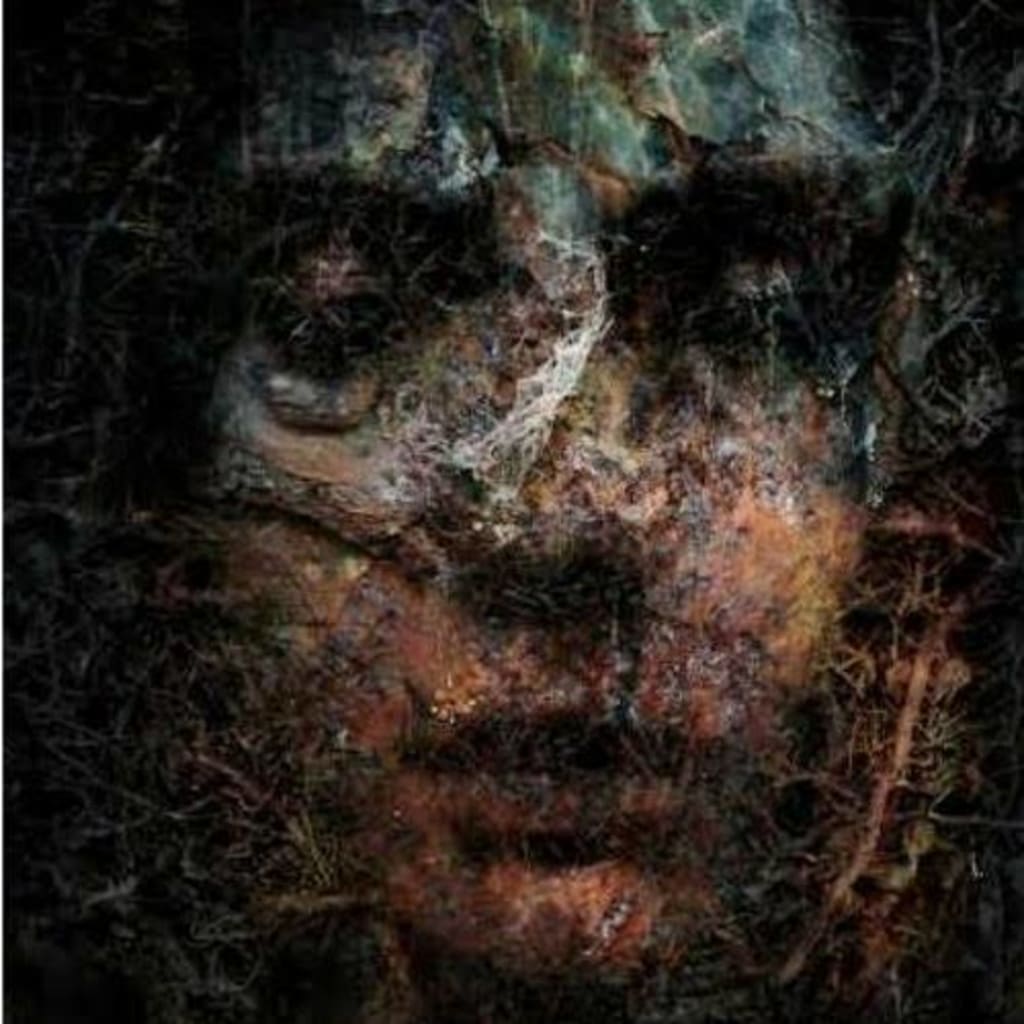
Ghosts are often portrayed as incorporeal beings that are bound to a specific location or person due to unfinished business or unresolved emotions. They are said to haunt places and people, leaving behind an eerie feeling that can be unsettling to those who encounter them. However, what is often overlooked is the pain that these ghosts may be feeling themselves.
While it is easy to dismiss the idea of a ghost feeling pain as a mere superstition or a figment of our imagination, there is a growing body of evidence that suggests that it may be more than just a myth. Ghosts are said to be the spirits of people who have died but are unable or unwilling to move on to the afterlife. This could be due to a variety of reasons such as unfinished business, a traumatic event that occurred before their death, or a strong emotional attachment to a person or place.
In many cases, these ghosts are said to be trapped in a state of emotional turmoil, unable to find peace or closure. This can manifest in a variety of ways such as restless movements, moaning or crying, or even violent outbursts. These behaviors are often attributed to the ghost's desire to communicate their pain or to seek help in resolving their emotional conflict.
There are many examples of ghost stories that suggest that ghosts can experience emotional pain. For instance, there are stories of ghosts that are seen weeping or crying out in anguish. Others are said to be trapped in a cycle of reliving a traumatic event that occurred before their death, such as a murder or suicide.
One of the most famous examples of a ghost experiencing emotional pain is the story of the Grey Lady of Hampton Court Palace in England. The Grey Lady is said to be the ghost of a woman who was falsely accused of adultery and then executed by her husband. She is said to haunt the palace, crying out in anguish and searching for justice.
Another example is the story of the Bell Witch, a poltergeist that haunted the Bell family in Tennessee in the early 19th century. The Bell Witch is said to have been the spirit of a woman named Kate Batts, who was believed to have been wronged by John Bell, the patriarch of the Bell family. The Bell Witch tormented the family for years, often communicating her pain and anger through strange noises and disembodied voices.
While these stories may seem far-fetched or exaggerated, there is scientific evidence that suggests that ghosts may be capable of experiencing emotional pain. One study conducted by neuroscientist V.S. Ramachandran found that the same areas of the brain that are activated when a person experiences physical pain are also activated when they experience emotional pain.
This suggests that emotional pain is not just a mental or emotional experience, but a physical one as well. If ghosts are capable of experiencing emotional pain, it is possible that they may also experience physical sensations associated with that pain.
The idea of ghosts experiencing emotional pain raises many ethical and philosophical questions. If ghosts are indeed capable of feeling pain, is it ethical to continue to communicate with them or to attempt to make contact with them? Is it ethical to profit from their pain, such as through ghost tours or paranormal investigations?
Additionally, if ghosts are capable of feeling pain, it raises questions about the nature of death and the afterlife. If ghosts are trapped in a state of emotional turmoil, does this suggest that death is not a release from suffering, but merely a continuation of it?
Ultimately, the idea of ghosts experiencing emotional pain is a complex and mysterious one that raises many more questions than it answers. While there is no definitive proof that ghosts are capable of feeling pain, the stories and experiences of those who have encountered them suggest that there may be more to the afterlife than we currently understand.
About the Creator
Killing him slowly
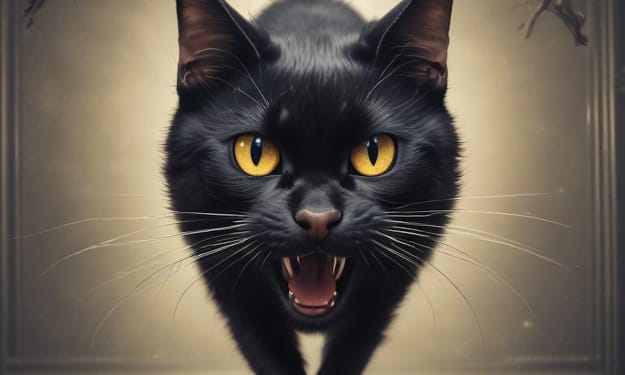
There’s an intruder in my house again. He stumbles through the door, wet carrier bags in hand. He’s bought me offerings. I show my appreciation, letting him caress my beautiful body. He wants to touch me. I rub myself against his legs. He sighs, dropping the bags. He can’t resist touching me. Running his hand slowly down my spine, I arch my back towards his caress, let out a low purr. It’s what we both need.
By N J Delmas5 days ago in Horror


Comments
There are no comments for this story
Be the first to respond and start the conversation.