
No One Gets Out Alive
Adam Nevill (2014): A Descent into Brutal Haunted House Horror

Introduction
Adam Nevill’s No One Gets Out Alive (2014) is not your typical haunted house story. It is a relentless, suffocating nightmare that blends psychological terror, supernatural horror, and brutal realism into one of the most disturbing horror novels of the 21st century.
Unlike traditional ghost stories, Nevill’s novel traps its protagonist—and the reader—in a claustrophobic hellscape where the horrors are both human and inhuman. This is not a tale of creaking floorboards and faint whispers; it is a visceral, sweat-drenched ordeal where survival seems impossible.
In this deep dive, we explore:
✔ The plot and themes of No One Gets Out Alive
✔ Why it stands out in modern horror
✔ The real-life inspirations behind its terror
✔ How it compares to Nevill’s other works
✔ The 2021 Netflix adaptation—does it do the book justice?
1: The Plot – A House of Trapped Souls
The Desperate Protagonist: Stephanie Booth
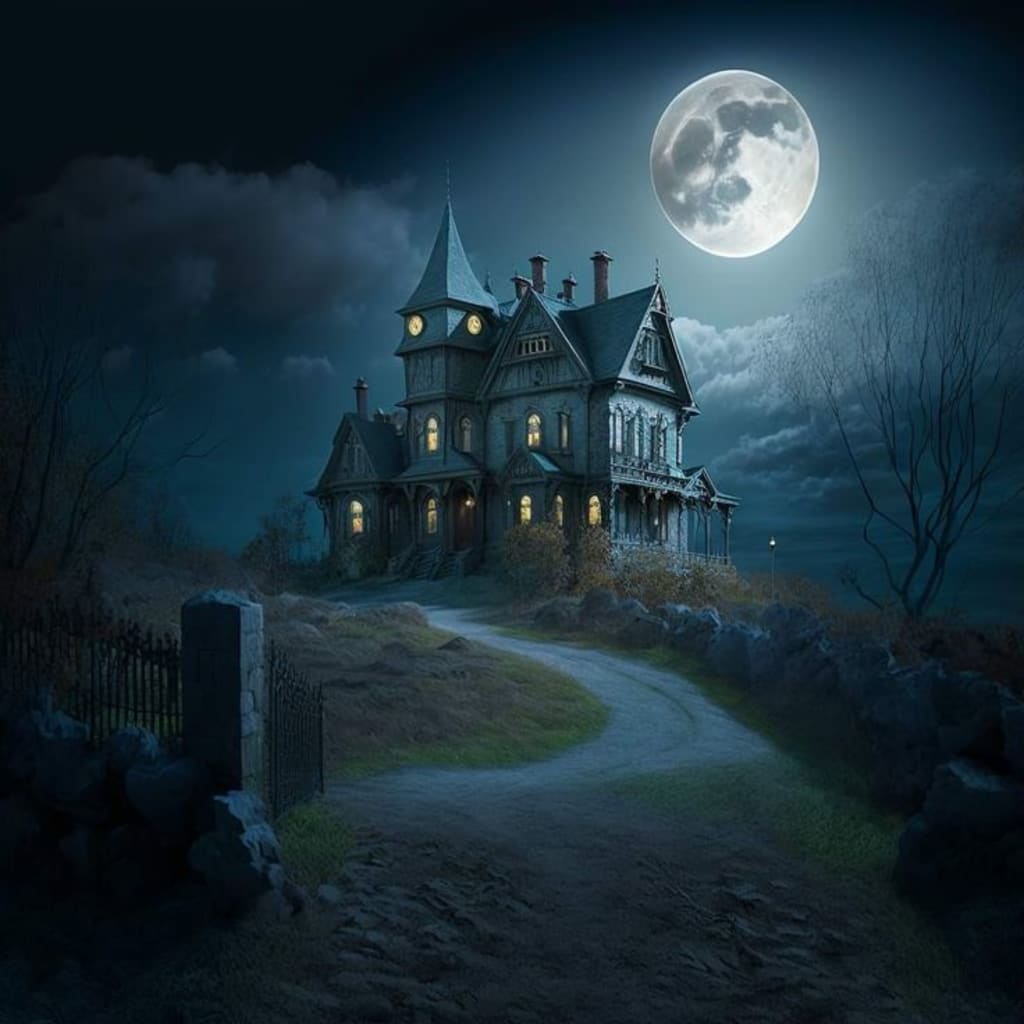
Stephanie is a young, penniless woman fleeing an abusive past, struggling to survive in a grim, uncaring world. When she finds a cheap room in a shared house at 82 Edgehill Road, it seems like a stroke of luck.
But the landlord, Knacker McGuire, and his cousin, Fergal, are sadistic, menacing figures who exude threat from the moment she arrives. The house itself is dilapidated, rotting, and wrong—filled with strange noises, unexplained cold spots, and an oppressive sense of dread.
The Horrors Unfold
Whispers in the Dark – Stephanie hears children crying, women screaming, and something scratching at the walls.
The Other Tenants – Mysterious, broken figures who seem frozen in fear, unwilling to speak of the house’s secrets.
Knacker’s True Nature – He is more than just a cruel landlord; he is a predator, and the house is his hunting ground.
As Stephanie’s sanity unravels, she realizes that the house is alive—and it feeds on suffering.
The Final Nightmare
The third act descends into full-blown supernatural chaos, revealing the house’s ancient, unspeakable evil. The climax is a brutal, blood-soaked struggle where Stephanie must confront not just Knacker and Fergal, but the entity that owns them all.
2: Why This Book Stands Out in Modern Horror
1. A Haunted House Story with Teeth
Most haunted house tales rely on atmosphere and suggestion. Nevill goes further—his horror is physical, immediate, and vicious. The scares are not just eerie; they are visceral and traumatic.
2. Real-World Horror Meets Supernatural Evil
The true terror begins with human monsters—Knacker and Fergal are terrifying because they feel real. Only later does the otherworldly horror amplify their cruelty.
3. The Slow Burn That Ignites Into Hellfire
The first half is a psychological siege, making the eventual supernatural explosion even more shocking.
4. A Protagonist You Root For (But Fear For)
Stephanie is not a passive victim—she fights back, but the odds are stacked against her in horrifying ways.
3: The Real-Life Inspirations Behind the Horror
1. The UK’s "Houses of Multiple Occupation" (HMOs) Crisis
Nevill draws from the real-world exploitation of vulnerable tenants in slum-like shared housing.
The fear of being trapped in a place you can’t escape is rooted in economic despair.
2. Folklore of Hungry Spirits
The entity in the house resembles British and Celtic legends of "hungry ghosts" that feed on pain.
The idea of a building with a consciousness echoes ancient "genius loci" (spirit of a place) myths.
3. True Crime Influence
Knacker and Fergal evoke real-life slumlords and serial killers who prey on the desperate.
4: How It Compares to Nevill’s Other Works
Similarities to The Ritual (2011)
Both feature protagonists trapped in inescapable terror.
Folk horror elements blend with extreme psychological dread.
Differences from Last Days (2012)
Last Days focuses on documentary filmmakers uncovering cult horror; No One Gets Out Alive is more personal, more claustrophobic.
Nevill’s Signature Style
Gritty, unflinching prose that refuses to look away from suffering.
Slow-building tension that erupts into unrelenting horror.
5: The Netflix Adaptation (2021) – Does It Do the Book Justice?
What Worked
Cristina Rodlo’s performance as Stephanie captures her desperation and resilience.
The house’s atmosphere is suitably grim and unsettling.
What Didn’t
The film simplifies the story, cutting much of the book’s depth.
Knacker and Fergal are less terrifying than in the novel.
The ending differs significantly, losing some of the book’s impact.
Verdict: A decent horror movie, but the book is far more brutal and immersive.
Conclusion: Is No One Gets Out Alive Worth Reading?
Absolutely—if you can stomach it.
This is not a fun, cozy ghost story. It is a relentless, harrowing experience that will leave you breathless and disturbed. But for horror fans who crave something truly nightmarish, it’s a modern classic.
Final Question:
Could you survive a night in 82 Edgehill Road?
Let us know in the comments—if you dare.
About the Creator
Keep reading
More stories from Silas Blackwood and writers in Horror and other communities.
Carmilla
Carmilla: The Vampire Novel That Predated Dracula and Redefined Gothic Horror Introduction: Long before Dracula (1897) became the cornerstone of vampire literature, Sheridan Le Fanu’s Carmilla (1872) introduced the world to a seductive, enigmatic female vampire who would influence horror for centuries.
By Silas Blackwood9 months ago in Horror
The Telling Bone
Introduction This was kicked off by Catweazle's name for the telephone. Catweazle was a medieval sorcerer who ended up in modern times (the nineteen seventies). The full episode is all over Youtube and most of my readers might not even recognise what he is holding as a landline telephone handset.
By Mike Singleton 💜 Mikeydred 3 days ago in Horror


Comments
There are no comments for this story
Be the first to respond and start the conversation.