

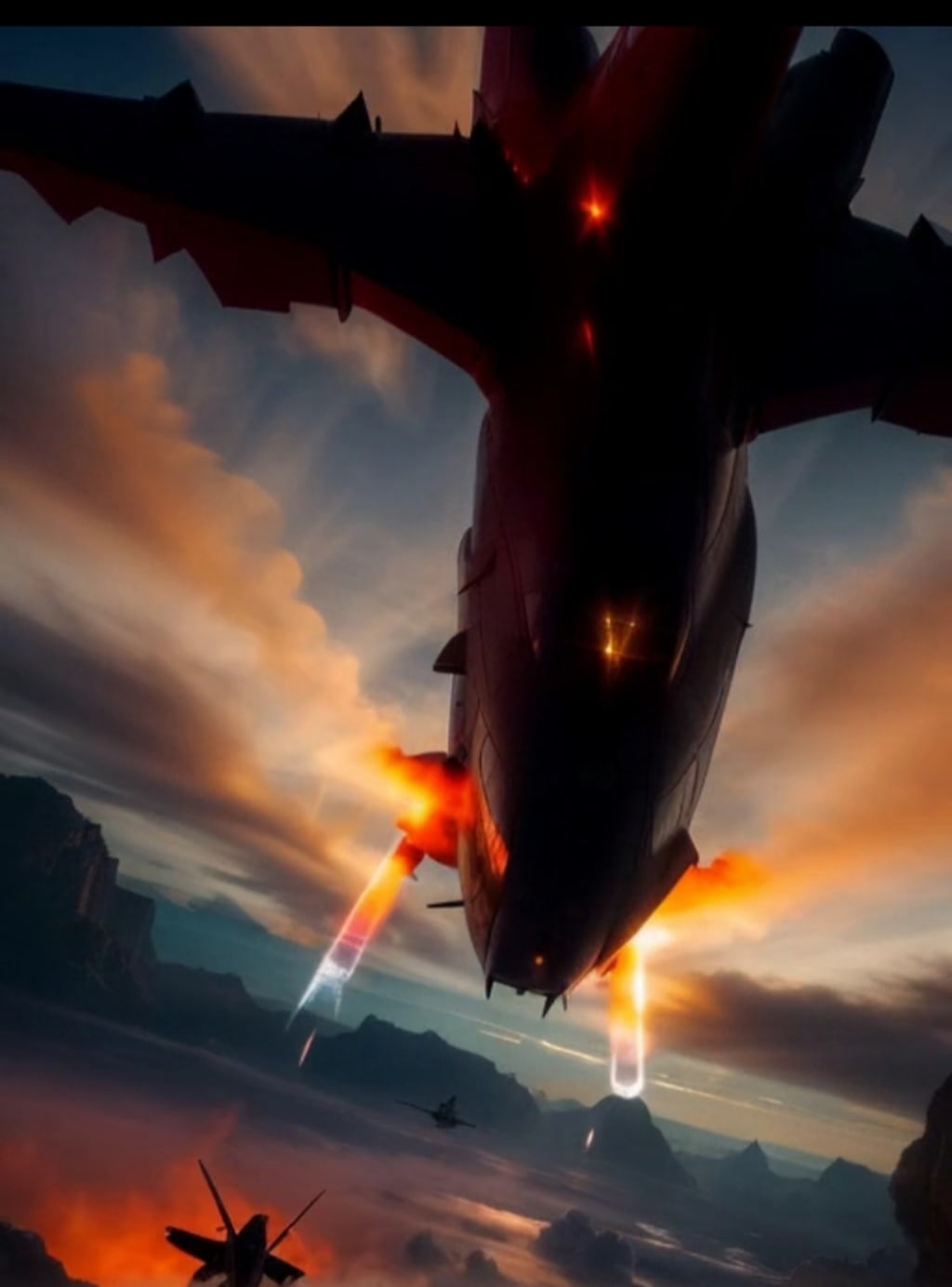
The JF-17 Thunder is a multi-role combat aircraft jointly developed by Pakistan and China. This fighter jet represents a significant milestone in Pakistan's defense and aerospace capabilities. The development of the JF-17 began in the 1990s, when Pakistan sought to replace its aging fleet of combat aircraft, including Mirage III, Mirage V, and F-7 jets. Due to international sanctions and limited access to Western technology, Pakistan needed a cost-effective, reliable, and modern fighter jet that could be developed with strategic partners. Thus, in collaboration with China's Chengdu Aircraft Corporation (CAC), and later with the participation of Russia’s Klimov company (for the engine), Pakistan embarked on this ambitious journey. In China, this aircraft is known as the FC-1 Xiaolong, while in Pakistan, it is called the JF-17 Thunder, with “JF” standing for “Joint Fighter.”
Historical Context:
During the 1980s, Pakistan acquired F-16s from the United States. However, in the 1990s, due to nuclear sanctions and political issues, Pakistan was cut off from further military hardware and support. This limitation led to the necessity of developing indigenous aircraft to ensure air defense independence. The JF-17 project became a key part of this vision. It was not only aimed at developing a combat aircraft but also at laying the foundation for Pakistan’s self-reliance in aerospace engineering.
Technical Specifications:
The JF-17 is a lightweight, single-engine, single-seat multi-role fighter aircraft. It is designed for a wide range of missions including air-to-air combat, air-to-ground strikes, and reconnaissance. It features advanced avionics, radar systems, and modern weaponry.
Length: 14.93 meters
Wingspan: 9.45 meters
Height: 4.72 meters
Maximum Takeoff Weight: Approximately 13,500 kg
Engine: Russian Klimov RD-93 turbofan engine
Top Speed: Mach 1.6 (approximately 1,975 kilometers per hour)
Combat Range: About 1,352 kilometers
Service Ceiling: Can operate at altitudes up to 55,000 feet
Avionics: Includes advanced radar (such as AESA radar in later blocks), digital cockpit with head-up display (HUD), and fly-by-wire flight control systems
Weapon Systems:
The JF-17 is capable of carrying a diverse range of weapons on its seven hardpoints (mounting stations for external stores):
Air-to-air missiles like PL-5 and PL-12
Air-to-surface missiles including Pakistan’s indigenous Ra’ad cruise missile
Laser-guided bombs
Unguided bombs
23mm twin-barrel internal autocannon
These weapons allow the JF-17 to engage in both defensive and offensive roles effectively, making it suitable for modern-day aerial warfare.
Variants of the JF-17:
There are several versions of the JF-17 developed to enhance its capabilities over time:
1. JF-17 Block I: The first operational version, which entered service with the Pakistan Air Force (PAF) in 2010. It had basic combat capabilities and laid the groundwork for future versions.
2. JF-17 Block II: Introduced improvements such as enhanced avionics, air-to-air refueling capability, and better weapon integration.
3. JF-17 Block III: The most advanced version to date. It includes an AESA radar, helmet-mounted display, infrared search and track system (IRST), improved electronic warfare (EW) capabilities, and features associated with 5th-generation aircraft.
4. JF-17B: A two-seat trainer version used for pilot training, mission planning, and operational readiness.
Importance for Pakistan:
The JF-17 is more than just a fighter jet; it is a symbol of Pakistan’s defense autonomy and technological development. The aircraft is manufactured and maintained at the Pakistan Aeronautical Complex (PAC) in Kamra, which contributes to the nation’s defense industry and creates high-tech jobs. For Pakistan, this jet reduces reliance on foreign suppliers, especially in times of geopolitical tension. It also serves as a platform for developing further defense technologies.
The JF-17 has taken part in several military exercises and operations, proving its capabilities. It played a notable role during the 2019 India-Pakistan air skirmishes. Though the full details remain classified, the JF-17 was reportedly part of the response operation.
Export Potential:
Pakistan has successfully exported the JF-17 to other countries. Myanmar and Nigeria have inducted this aircraft into their air forces, and other countries including Azerbaijan, Iraq, and Egypt have shown interest. One of the key advantages of the JF-17 is that it offers modern combat features at a significantly lower cost compared to Western jets such as the F-16, Gripen, or Eurofighter Typhoon. Its affordability and performance make it an attractive option for countries with limited defense budget
The JF-17 Thunder represents a remarkable achievement in Pakistan’s defense and aviation history. It is not just a jet fighter but a symbol of national pride and technological progress. Through the JF-17 project, Pakistan has developed the capacity to design, produce, and maintain modern fighter jets, which is a strategic asset in today’s complex security environment. As newer blocks are developed and exported to other nations, the JF-17 continues to prove its value as an effective, reliable, and advanced multirole combat aircraft
About the Creator
Real life 🧬 stories
welcome to my channel this for the story real life my channel
Keep reading
More stories from Real life 🧬 stories and writers in Horror and other communities.
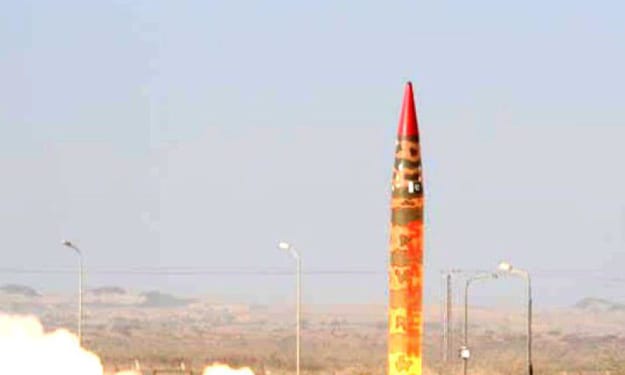
Russia: RS-28 Sarmat – The "Satan II"
Russia's RS-28 Sarmat, often referred to as "Satan II" by NATO, is a superheavy intercontinental ballistic missile (ICBM) that exemplifies the pinnacle of missile technology. With an estimated range of 18,000 kilometers, it is capable of carrying up to 16 warheads, each with individual guidance systems, allowing it to strike multiple targets simultaneously. The missile's three-stage liquid-fuel rocket and advanced guidance systems make it a formidable asset in Russia's nuclear arsenal. Despite experiencing several test failures, the RS-28 Sarmat remains a symbol of Russia's missile capabilities.
By Real life 🧬 stories 10 months ago in Horror
The House at the End of Willow Lane
I moved to Willow Creek in early 2026, eager for a fresh start after years of living in a crowded city where every night sounded like honking cars and distant sirens; the house I found was an old two‑story with faded blue siding and a wrap‑around porch that gave it an almost storybook charm, and at first glance, it looked like the perfect place to rebuild my life — quiet, secluded, and surrounded by tall pines that rustled softly in the wind like whispered lullabies.
By The Curious Writer3 days ago in Horror



Comments
There are no comments for this story
Be the first to respond and start the conversation.