
How to Create Effective Creepypasta Art and Imagery
Creepypasta, the digital-age evolution of horror storytelling, relies heavily on both narrative and visual elements to immerse audiences in fear. While the stories themselves set the eerie tone, effective creepypasta art and imagery can amplify the horror, making the experience even more chilling. Whether you’re an artist looking to illustrate an existing tale or a creator designing visuals for your own horror story, the right techniques can turn an unsettling concept into an unforgettable nightmare. Here’s how to create effective creepypasta art and imagery.
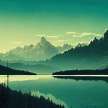

1. Understand the Psychology of Fear
Horror is most effective when it taps into primal fears—darkness, the unknown, distorted human forms, and eerie environments. Before creating your artwork, consider what psychological triggers you want to activate. Do you want to invoke paranoia, unease, or outright terror? Research common horror tropes such as uncanny valley (where something looks almost human but slightly ‘off’) or liminal spaces (abandoned places that feel eerily familiar yet unsettling). These elements can make your artwork feel more immersive and disturbing.
2. Use Lighting and Shadows to Create Atmosphere
Lighting plays a crucial role in horror art. High contrast between deep shadows and stark highlights can create a sense of mystery and danger. Experiment with:
Chiaroscuro lighting (strong contrasts between light and dark) to highlight unsettling features.
Backlighting to create ominous silhouettes.
Subtle gradients in dark areas to suggest hidden shapes lurking in the shadows.
Strategic lighting can guide the viewer’s eye, building suspense as they struggle to make out what might be lurking in the dark.
3. Incorporate Distorted and Unnatural Features
One of the most effective ways to create disturbing imagery is through distortion. Uncanny humanoid figures—those with elongated limbs, exaggerated facial features, or unnatural movement—can instantly unsettle viewers. Popular creepypasta characters like Slender Man and Eyeless Jack use this technique to appear both familiar and otherworldly.
Elongate limbs or necks slightly beyond normal proportions.
Remove key facial features, such as eyes or a mouth, creating a sense of emptiness.
Warp body posture or movement, making the figure appear unnatural or ‘glitchy.’
These subtle (or extreme) alterations to human-like forms tap into deep-seated fears of the unnatural.
4. Choose the Right Color Palette
While traditional horror art often uses dark and muted tones, creepypasta art can be just as effective with selective color choices. Consider:
Desaturated colors to create a sense of lifelessness.
Blood-red highlights for emphasis on danger, violence, or corruption.
Unnatural neon glows to enhance a digital horror aesthetic, similar to found-footage horror.
Using an eerie, washed-out palette can make your artwork feel more grounded in the unsettling, decayed world of creepypasta horror.
5. Utilize Texture and Noise for Added Grit
Creepypasta art benefits from textures that give it a sense of realism and decay. Adding noise, grain, or glitch effects can make the artwork feel like a corrupted or forbidden image. Try:
Scratchy textures to make images look old or deteriorated.
Glitch effects and pixelation to simulate cursed or haunted digital files.
Blur and smudging techniques to make certain areas of the image feel obscured or hidden.
Textures add depth and make the artwork feel more like something ‘found’ rather than created, adding to its authenticity and horror appeal.
6. Create Story-Driven Visuals
Great creepypasta art isn’t just scary—it tells a story. Before you begin designing your image, ask yourself:
What happened before this moment?
What is the viewer not seeing that makes the image scarier?
What small details can hint at a deeper, hidden horror?
For example, an illustration of a shadowy figure standing in a doorway becomes far more chilling if the figure’s face is just barely visible, or if the walls are scratched with desperate messages.
7. Use Composition to Build Suspense
How you frame your image can determine how unsettling it is. Experiment with:
Off-center subjects to make the viewer feel unbalanced.
Obscured backgrounds to suggest hidden dangers lurking just out of sight.
Extreme close-ups that reveal disturbing details.
The best horror compositions make the audience feel like they’re witnessing something they shouldn’t be seeing.
8. Experiment with Found Footage and Digital Horror Aesthetics
Some of the most effective creepypasta imagery mimics found footage horror. Adding elements that make the image seem like a screenshot from a cursed video or an old, forgotten website can enhance the horror. Consider:
VHS static or time stamps to make it look like a lost recording.
Chat logs, search results, or file corruption messages to suggest digital horror.
Infrared or night vision effects to add realism.
These details make your art feel like a piece of lost media that viewers have stumbled upon, increasing the fear factor.
Conclusion: Crafting Fear with Visuals
Creating effective creepypasta art and imagery requires more than just drawing scary figures—it’s about tapping into deep psychological fears, using atmospheric techniques, and telling a visual story. By mastering elements like lighting, color, distortion, and composition, you can craft artwork that lingers in the minds of viewers long after they’ve seen it. Whether your goal is to bring classic creepypasta characters to life or create original nightmare fuel, these techniques will help your horror art stand out in the ever-growing world of internet horror.
About the Creator
TheSomeone
I am just a normal human that likes to make scary interesting articles and other new things
Keep reading
More stories from TheSomeone and writers in Horror and other communities.
The Connection Between Creepypasta and Classic Horror Literature
The Influence of Gothic Horror Classic horror literature, particularly the gothic horror genre, set many of the conventions that modern creepypasta stories follow. Gothic horror, known for its eerie atmosphere, haunted locations, and themes of madness, is a key influence on many internet horror stories.
By TheSomeone11 months ago in Horror
The Door Opened By Itself
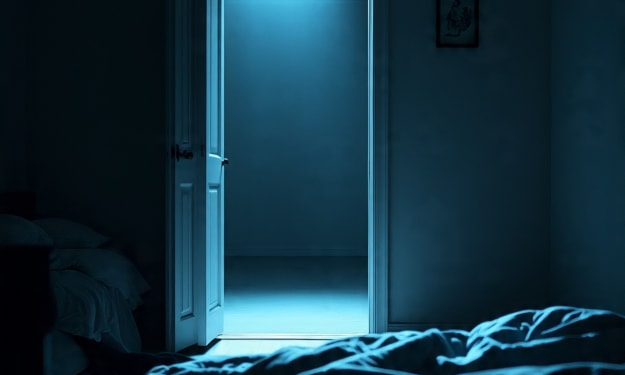
The Night That Refused to Stay Quiet It happened on a night so ordinary it almost felt staged—rain tapping gently against the windows, the clock blinking 2:17 a.m., the world outside holding its breath. I was half-asleep, drifting between thoughts, when the silence changed. Not broke—changed. Silence has weight when it’s about to give way to something else.
By LUNA EDITHa day ago in Horror


Comments
There are no comments for this story
Be the first to respond and start the conversation.