
How Coloring Helps Children to Learn During the Halloween Season?
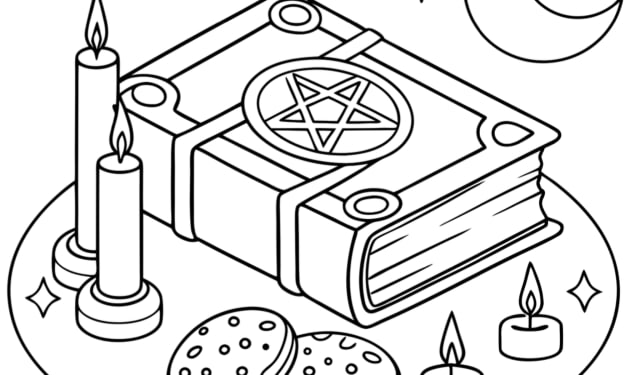
Halloween Coloring Pages


Halloween is about trick-or-treating, costumes, and pumpkins — but it is also an excellent time for learning through imagination. Halloween coloring exercises can significantly support children in learning essential cognitive, emotional, and academic skills.
In classrooms and homes, Halloween coloring pages always offer much more than entertainment. They become tools for teaching fine motor control, pattern recognition, vocabulary, storytelling, focus, and more emotional regulation all while keeping the spooky spirit alive!
In this article, we'll explore how coloring helps kids learn during the Halloween season, and we'll share practical ways teachers and parents can use Halloween-themed coloring pages to make learning both fun and educational.
1. The Magic of Coloring: Something More Than Art
Coloring is a playtime activity, something to amuse kids, parents, and teachers. But education psychologists agree that coloring is an essential developmental activity, especially for children aged 3–10.
What children develop while coloring:
Hand-eye coordination
Increased concentration and patience
Developing spatial awareness
Practicing color recognition and choice-making
During the Halloween fall season, the theme pictures — ghosts, pumpkins, witches, bats, and trick-or-treat — make learning fun. Kids are not aware that they are learning essential skills while coloring a haunted house or a bucket of candy.
2. Halloween Coloring Pages for Fine Motor Skill Development
Coloring is one of the best activities to enhance fine motor skills — the ability to move small muscles in fingers and hands precisely.
While a child colors little bat wings or a spider web, they are practicing grip strength, control, and hand dexterity. The very same motor skills will later on benefit them:
With neatly written pencils or pens
With safe scissors use
With dressing up and tying shoelaces
By incorporating Halloween-themed worksheets, teachers can also make motor skills activities more fun. For example:
Halloween alphabet letter tracing ("H is for Hat," "P is for Pumpkin")
Coloring in small details on the pumpkin artwork
Completing dot-to-dot ghost pictures
These activities incorporate physical skill-building into festive learning.
3. Halloween Coloring Pages and Cognitive Development
Coloring engages multiple areas of the brain, helping children build cognitive processing skills. As children select colors for different parts of a Halloween image, they use logic, memory, and imagination.
This is how coloring promotes cognitive learning at Halloween:
Pattern Recognition
Halloween coloring books typically include symmetrical patterns (like spider webs or jack-o'-lantern faces). Recognizing and recreating these patterns builds math thinking and spatial awareness.
Problem-Solving Skills
When it comes to deciding what color is most suitable for a witch's hat or a monster costume, children are solving problems — a thinking requirement.
Memory Boost
Themed coloring sheets also build memory. For instance, if they happen to know that pumpkins are orange and that witches wear black hats, they recall that information and apply it imaginatively.
Coloring makes abstract learning concrete, connecting classroom lessons (e.g., shapes, numbers, or science facts) to familiar Halloween imagery.
4. Language Learning and Vocabulary Building
Coloring is an excellent way to develop vocabulary especially for younger students or English language learners (ELL students).
Teachers can pair coloring with Halloween vocabulary to teach language by visual association.
Example Activities:
Label the Picture: Kids color and identify items such as a bat, moon, witch, pumpkin, broom, or cauldron.
Color by Word: Kids color sections according to word commands ("Color the ghost white, the hat black").
Story Coloring Pages: Students color a short Halloween scene with a small text, bridging reading and comprehension.
These activities help kids recall vocabulary through context and repetition — while having fun celebrating Halloween.
5. Social Learning and Emotional Expression
Halloween can create a sense of excitement, curiosity, and a bit of fear. Coloring provides a safe outlet for all these feelings.
Children can explore emotions through art — deciding how their pumpkin should be: silly, scary, or happy. By communicating through their art, they learn emotional vocabulary and build confidence.
During group work, Halloween coloring fosters cooperation and sympathy. When peers pass crayons around, discuss color choices, or compliment each other on artwork, they support social and communication skills.
Here's a chance for teachers to talk about feelings:
"How does your ghost feel?"
"Why did you color your monster in that color?"
These quick chats establish emotional intelligence and self awareness in little kids.
6. Learning Across Subjects With A Halloween Twist
Coloring always an interdisciplinary lesson that unites learning with imagination. Halloween coloring sheets can be used to reinforce math, language, and even science.
Math Skills
Number Color by Pumpkins: Enhances counting and number identification.
Pattern Pumpkins: Teach symmetry and order.
Candy Sorting Coloring: Increases classification and addition and subtraction.
Language Arts
Spooky Story Coloring : Unite creative writing with drawing.
Color and Spell Coloring: Enhance sight word identification.
Halloween Poetry Coloring Pages: Bring poems or rhymes alive in pictures.
Science
Skeleton Anatomy Coloring Pages: Engage students in general biology.
Weather-Themed Halloween Pages: Relate spooky fog and rain to the water cycle.
Pumpkin Life Cycle Worksheets: Intersect art and agriculture.
Any subject becomes more engaging when infused with images and color. The Halloween theme intrigues children, enabling teachers to create ordinary lessons into memorable seasonal activities.
7. Building Concentration and Mindfulness in the Classroom
Halloween is such a blast maybe a bit too much of a good thing! Kids get easily sidetracked by parties and costumes. Coloring is a calming way to build concentration back into the classroom.
Research suggests that coloring can decrease stress and improve focus, even in young children. By practicing quiet time coloring Halloween drawings, students:
Build sustained attention
Boost patience
Learn self-regulation of their energy levels.
Educators use Halloween coloring breaks between lessons as mindfulness breaks. Dim the lights, play soothing music, and make children color ghosts, pumpkins, or bats silently. This little habit helps children maintain emotional balance and transition easily between activities.
8. Creativity and Imagination Through Halloween Art
Halloween is a holiday of imagination — from costume design to decorating. Coloring pages are the perfect tool for kids to express creative ideas without fear of being "wrong."
When coloring in a haunted house, each child can envision something different: flashing windows, purple horizons, or green ghosts. This creativity spurs open-ended thinking, which is key to innovation and problem-solving later in life.
Creative Halloween Coloring Ideas
Design Your Own Monster: Provide templates for kids to design characters.
Make a Halloween Card: Transform coloring pages into greeting cards for friends.
Mixed Media Art: Add coloring with collage or glitter for sensory discovery.
Halloween art helps kids realize that every idea matters — building confidence and imagination.
9. Using Halloween Coloring Pages as a Classroom Activity
Teachers can make Halloween coloring learning stations or classroom activities.
Activity Stations
Small group work for:
"Color by Sight Word"
"Halloween Pattern Hunt"
"Design Your Pumpkin Patch"
Collaborative Posters
Ask students to color a section of a giant Halloween mural individually. Collectively, it is a class masterpiece in tribute to teamwork.
Halloween Art Show
Hang completed Halloween coloring pages on classroom walls or do a mini "gallery walk." Students explain what they colored and why — practicing communication and public speaking.
These activities connect art, literacy, and social learning while celebrating the Halloween season in camaraderie and excitement.
10. Coloring as a Break from Digital Overload
In today's digital classrooms, kids spend hours looking at screens. Coloring especially with actual crayons and paper gives them a healthy breather from technology.
Halloween coloring time encourages sensory engagement: the feel of paper, the smell of crayons, the joy of shading. That sensory experience consolidates neural pathways that digital interactions can't replace.
And in Halloween stimulation, unloading for creative time lets kids reconnect with imagination and protect themselves from too much media and device stimulation.
11.How Teachers and Parents Can Incorporate Halloween Coloring
Both parents and teachers can use coloring activities purposefully to support learning goals.
For Teachers:
Insert "Color & Learn" worksheets into literacy centers.
Use coloring as a morning pick-me-up or calming end-of-day activity.
Integrate Halloween art into cross-curricular instruction (math, science, writing).
Encourage self-expression through open-ended spooky themes.
For Parents:
Print free Halloween coloring pages at home for homework or after-school work.
Use coloring to tell a story ("Tell me about your haunted house!").
Display your child's artwork to build pride and confidence.
Make it a family activity — parents coloring alongside kids models creativity and patience.
These simple strategies help children see coloring not as "just art" but as a tool for thinking, learning, and growing.
12. Halloween Coloring and Inclusive Learning
Coloring always one of the most inclusive educational activities available. Every child regardless of ability, language, or background can participate meaningfully.
For students with learning differences (e.g., autism, ADHD, or dyslexia), Halloween coloring provides a sense of order and calm. It offers a sensory-rich yet nonverbal platform for communication and learning.
Teachers can adapt coloring tasks to meet all learners' needs:
Simplify lines for younger or special-needs kids.
Add tactile texture with raised lines or foam stickers.
Use large-print Halloween coloring books for visually impaired kids.
With thoughtful adaptation, Halloween coloring can make all kids feel successful and part of the group.
13. Long-Term Advantages of Seasonal Coloring
Halloween coloring pages do more than entertain for one scary season they promote skills for a lifetime.
Children who color build:
Better handwriting and visual motor integration
Improved concentration and problem solving
Creative flexibility and imagination
Confidence in visually conveying ideas
When parents and teachers include seasonal subjects like Halloween, education becomes emotionally meaningful. What kids retain about coloring pumpkins and ghosts when they are learning numbers or spelling stays with them for years, making learning more meaningful and more memorable.
14. How to Find the Most Effective Halloween Coloring Pages
To maximize learning, not all coloring pages are made equal. Choose those that:
Should include educationally valuable elements (letters, numbers, or words).
Promote fine detail work to develop skills.
Emphasize positive and open ended imagery (friendly goblins, silly monsters).
Offer mixed levels of difficulty for various ages.
Promote creative storytelling (scenes, not just objects).
Using printable Halloween coloring pages or computer PDF worksheets can help you prepare fun materials for the entire class or family.
15. Conclusion: Learning Through Halloween Fun
Halloween offers parents and educators alike a chance to seamlessly combine fun and learning. Coloring pages as simple as they are — are powerful aids for the development of literacy, numeracy, creativity, and emotional intelligence.
When a child colors a pumpkin, draws a haunted house, or designs a friendly monster, they're doing a lot more than dawdle they're learning to think, feel, and communicate.
This Halloween, let's toast creativity in the classroom and out. Get out the crayons, print up some creepy pages, and sit back and watch young minds develop one vibrant work of art at a time.
About the Creator
Shenal Jay
All about Free Coloring Pages and Learning Materials (Pre-K to 5th)
For free download
Visit
https://freecoloringpagepro.com/
Or
https://www.patreon.com/FreeColoringPagesPro
Keep reading
More stories from Shenal Jay and writers in Horror and other communities.
How to Combine Coloring Pages with Halloween Crafts? Creative Ideas for Kids and Adults
Halloween is one of the most magical times of the year — pumpkins glow, leaves crunch underfoot, and creativity runs wild. Whether you're decorating your home, preparing for a classroom activity, or just looking for family fun, coloring pages and Halloween crafts make the perfect combination.
By Shenal Jay4 months ago in Horror


Comments
There are no comments for this story
Be the first to respond and start the conversation.