

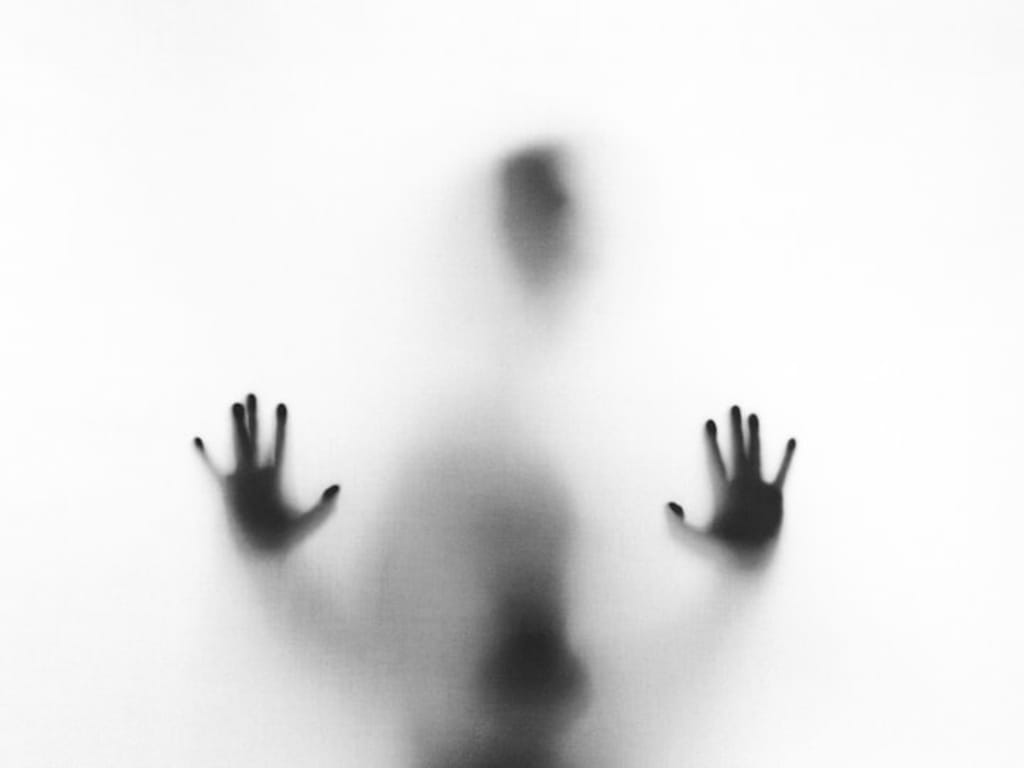
The Haunting of the Modern Mind: A New Chapter in Horror
Horror is no longer confined to eerie castles, creaking corridors, or monstrous creatures lurking in shadowy woods. Today, it has evolved into an art form that taps into our most primal fears—both external and internal—challenging the boundaries of our imagination and our very sense of reality.
A Brief History of Horror's Evolution
Traditionally, horror stories relied on gothic atmospheres, supernatural specters, and ancient curses. These classics drew on folklore and myth, resonating with audiences through their mysterious and timeless dread. However, as society changes, so does the nature of our fears. Modern horror has transformed into a multi-faceted genre that reflects the complexities of contemporary life, addressing anxieties born from technology, isolation, and the disintegration of societal norms.
The New Frontiers of Terror
Psychological Dread in the Digital Age
In our hyper-connected world, horror has found a new canvas: the digital realm. The constant bombardment of notifications, the curated yet deceptive images on social media, and the overwhelming flow of information can create a sense of existential dread. This modern form of horror plays on our vulnerability to information overload and the loss of privacy, blurring the line between the virtual and the real. It’s not just about what lurks in the dark—it’s about the terror of being watched, measured, and even manipulated by forces we scarcely understand.
Urban Decay and the Erosion of Community
The haunting silence of empty streets in a post-industrial city, the decay of once-bustling neighborhoods, and the isolation of urban existence have all become potent symbols in contemporary horror narratives. These stories evoke the fear of societal collapse, where technology and progress have left behind not only the forgotten corners of our cities but also the people who once called them home. The modern horror landscape often features protagonists navigating these fractured urban jungles, fighting to reclaim not only their sanity but also a sense of belonging in a rapidly changing world.
The Monster Within
Perhaps the most unsettling evolution in horror is the shift from external monsters to the terror that resides within us. The modern horror narrative delves into the complexities of identity, mental health, and the human condition. Rather than a singular creature of nightmares, our fears are now multifaceted—embodied by the unpredictable nature of our own emotions, the weight of societal expectations, or even the relentless pursuit of perfection in an imperfect world. In these tales, the real horror is the loss of control over one’s inner life—a descent into paranoia, obsession, and despair.
Why Modern Horror Resonates
Horror remains a compelling genre because it serves as a mirror for our collective fears. It’s a way to externalize the intangible anxieties that haunt us—the fear of the unknown, the dread of isolation, and the terror of our own potential for darkness. Modern horror, with its innovative narrative structures and boundary-pushing visuals, offers both escapism and a cathartic confrontation with our innermost vulnerabilities.
Reimagining Horror for a New Generation
Today’s storytellers are reimagining horror by blending elements of science fiction, psychological thriller, and even speculative fiction. They use technology not only as a setting but as a plot device that both amplifies and interrogates our fears. Virtual reality experiences, interactive horror games, and immersive art installations are some of the ways artists are inviting audiences to step inside—and even shape—the narrative of terror. This interactive approach transforms horror from a passive experience into an active exploration of the self, where every jump scare or unsettling image becomes part of a larger dialogue about what it means to be human in the 21st century.
Conclusion: Embracing the Darkness
As we journey deeper into an era defined by rapid change and digital saturation, horror continues to evolve, reflecting our most pressing fears in ever-new ways. Whether it’s the psychological terror of living under constant surveillance, the melancholic decay of urban life, or the unsettling realization that the monster might be within us, modern horror challenges us to confront the darkness—both outside and inside ourselves.
In embracing these new forms of terror, we find that horror is not merely a genre of escapism. It is a vital, dynamic mirror of our collective psyche—one that compels us to examine our vulnerabilities, question our assumptions, and ultimately, understand that sometimes, the greatest horror lies in the unknown corners of our own minds.
About the Creator
ziad alsed
Exploring tech and culture, I delve into AI’s impact, sustainable innovations, and digital balance. I also examine shifting media narratives and trends that redefine our lives. Join me in uncovering how these forces shape our future.
Keep reading
More stories from ziad alsed and writers in Horror and other communities.
"Scream 7" (2026): Running out of Fresh Screams
This is the seventh time we’ve had a Ghostface crisis. Scream 7 is the latest edition of the Scream franchise. Sydney Prescott and her family are under attack by another anonymous killer dressed in a Ghostface costume. While having issues with her daughter, Tatum, they run from the bloody murders, trying to determine who is behind it all.
By Marielle Sabbag3 days ago in Horror
Rachel Reviews: Lakefront Wolves by Joseph Deegan
Meet Finn. He's an 18 year old kid who has potential. He's bright with great school scores and he's also an athlete, a footballer of some prowess. He has it all going for him, it would seem, and yet, he's determined to send what could be a well-planned, stable existence firmly off the rails. He drinks, he smokes, he takes drugs, he has violent tendencies and he's in danger of losing not only his mind but all that he holds dear.
By Rachel Deeming3 days ago in BookClub


Comments
There are no comments for this story
Be the first to respond and start the conversation.