
Horror Novels: A Journey Into the Macabre and the Unknown
Horror Novels

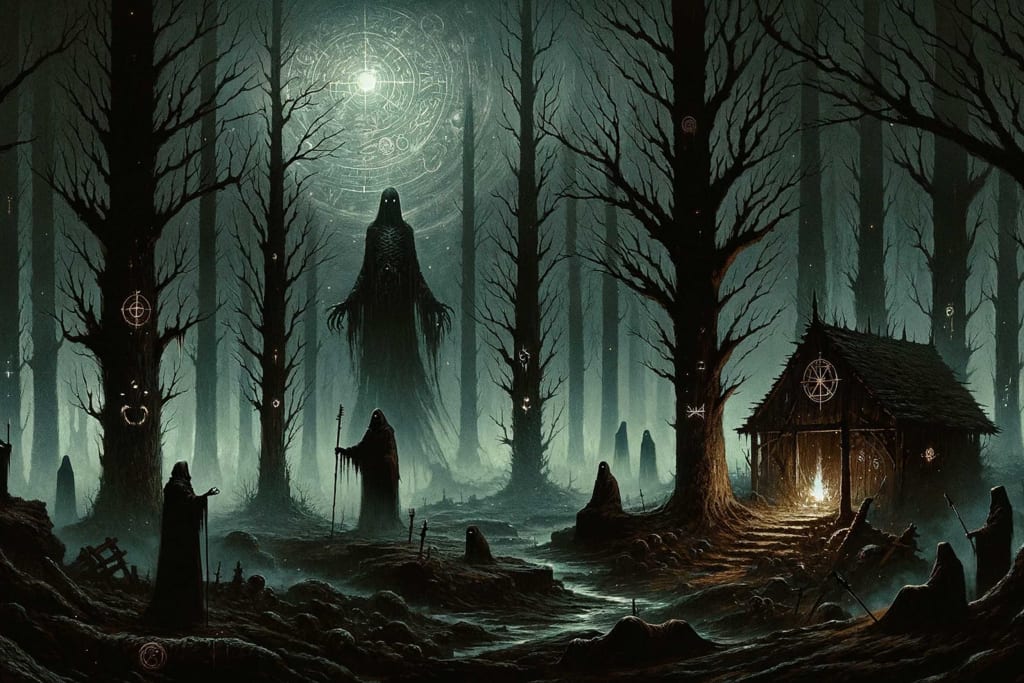
Horror novels have been an integral part of literature for centuries, captivating readers with tales of terror, suspense, and the supernatural. From haunted houses and bloodthirsty vampires to psychological mind games and cosmic horrors, these books evoke a primal sense of fear and curiosity that few other genres can match. But what makes horror novels so compelling? Why do readers willingly delve into stories designed to frighten them? This article explores the enduring appeal, history, and influence of horror novels, as well as some iconic works that have shaped the genre.
The Appeal of Horror Novels
At their core, horror novels tap into universal fears—fear of the unknown, death, isolation, or the loss of control. They provide a safe space to confront these anxieties. Unlike real-life threats, the dangers in a horror novel are confined to its pages. Readers can immerse themselves in the tension, knowing they can close the book at any time.
Horror also serves as a mirror to societal anxieties. During times of uncertainty or upheaval, horror novels often become more popular. They channel collective fears into a form that’s easier to process. For example, post-World War II literature saw a rise in dystopian and existential horror, reflecting the fear of nuclear annihilation and societal collapse. More recently, themes of isolation and contagion in horror reflect the anxieties of a pandemic-stricken world.
Additionally, horror novels are deeply cathartic. They allow readers to experience fear and adrenaline in a controlled environment. This emotional rollercoaster often leads to a sense of relief or exhilaration, akin to what one might feel after riding a rollercoaster or watching a suspenseful movie.
The Origins of Horror in Literature
Horror as a literary genre has deep roots, tracing back to ancient myths and folklore. Tales of vengeful spirits, monstrous creatures, and cursed objects have existed in cultures worldwide. However, modern horror began to take shape during the Gothic literature movement of the late 18th century.
Horace Walpole’s The Castle of Otranto (1764) is often regarded as the first Gothic novel. Combining supernatural elements with a brooding atmosphere and complex characters, it laid the groundwork for horror as we know it today. Authors like Mary Shelley (Frankenstein), Edgar Allan Poe (The Tell-Tale Heart, The Raven), and Bram Stoker (Dracula) expanded the genre, exploring themes of madness, morality, and the uncanny.
The 20th century brought a shift toward psychological horror, emphasizing the fragility of the human mind. Shirley Jackson’s The Haunting of Hill House and William Peter Blatty’s The Exorcist delved into themes of possession, mental illness, and the supernatural, leaving readers questioning the boundaries between reality and imagination.
Subgenres and Themes in Horror Novels
One of the reasons horror has remained relevant is its versatility. It encompasses a variety of subgenres, each with its unique flavor and appeal:
Gothic Horror: Characterized by eerie settings, such as decaying mansions or windswept moors, Gothic horror often explores themes of madness and the supernatural. Examples include Jane Eyre by Charlotte Brontë and Rebecca by Daphne du Maurier.
Psychological Horror: This subgenre focuses on the human mind and its capacity for darkness. Works like Stephen King’s The Shining and Patricia Highsmith’s The Talented Mr. Ripley delve into paranoia, obsession, and moral ambiguity.
Supernatural Horror: Ghosts, demons, and otherworldly entities dominate this subgenre. Classics like The Turn of the Screw by Henry James and modern works like Joe Hill’s Heart-Shaped Box fall under this category.
Body Horror: These novels evoke fear through grotesque transformations, mutations, or physical deterioration. David Cronenberg’s The Fly and Junji Ito’s Uzumaki are prime examples.
Cosmic Horror: Popularized by H.P. Lovecraft, this subgenre emphasizes humanity’s insignificance in the face of incomprehensible, otherworldly forces. The Call of Cthulhu remains a quintessential cosmic horror story.
Slasher and Splatterpunk: These subgenres lean heavily into gore and violence. While controversial, they cater to readers who enjoy visceral and unrelenting depictions of horror.
Iconic Horror Novels and Their Legacy
Certain horror novels have transcended their genre to become cultural touchstones. Mary Shelley’s Frankenstein, for instance, not only established science fiction as a legitimate genre but also explored themes of creation, responsibility, and alienation. Bram Stoker’s Dracula immortalized the vampire archetype, influencing countless adaptations and reinterpretations.
Stephen King, often dubbed the “Master of Horror,” revolutionized the genre with works like Carrie, It, and Misery. His ability to blend everyday life with supernatural terror has made him a household name.
Another seminal work, Shirley Jackson’s The Lottery, shocked readers with its exploration of societal norms and collective violence. The subtle, creeping dread in her stories continues to inspire modern authors.
The Future of Horror Novels
Horror is a dynamic genre, constantly evolving to reflect the fears and concerns of its audience. Today, authors like Carmen Maria Machado, Silvia Moreno-Garcia, and Victor LaValle are bringing fresh perspectives, incorporating themes of identity, culture, and social justice into their works. Their stories challenge traditional horror tropes, creating narratives that resonate with contemporary readers.
Technology and multimedia storytelling are also reshaping the genre. Interactive horror novels and augmented reality experiences blur the line between fiction and reality, offering immersive ways to experience fear.
About the Creator
Bindu Bhardwaj
I am blogger crafting engaging content on diverse topics. Informative, relatable, and thought-provoking posts that connect with readers. Explore and learn through my words.
Keep reading
More stories from Bindu Bhardwaj and writers in Horror and other communities.
The House on Haunted Hill
Once upon a time, in a quiet little town nestled among rolling hills, there stood a house. But this wasn't just any house; it was known far and wide as the House on Haunted Hill. Legend had it that strange things happened there, things that made the bravest souls shiver with fear.
By Bindu Bhardwaj2 years ago in Horror
Part 6 Vampire Story
So here I was. Now I had a whole dysfunctional family, and they were vampires. Hermosa and Ivory were sharing the same bedroom. She wanted to share my room with me. Not hardly. I didn’t want to get that friendly. She seemed to be fascinated with the weather up here. I couldn’t understand it. It was becoming winter. The sun began to disappear more quickly and hover around the horizon as people prepared for all of the months of darkness.
By Om Prakash John Gilmore4 days ago in Horror


Comments
There are no comments for this story
Be the first to respond and start the conversation.