
Ghosts of the Death Railway: The Haunted Legacy of River Kwai & Hellfire Pass
How WWII’s Brutal Past Left Behind a Trail of Restless Spirits
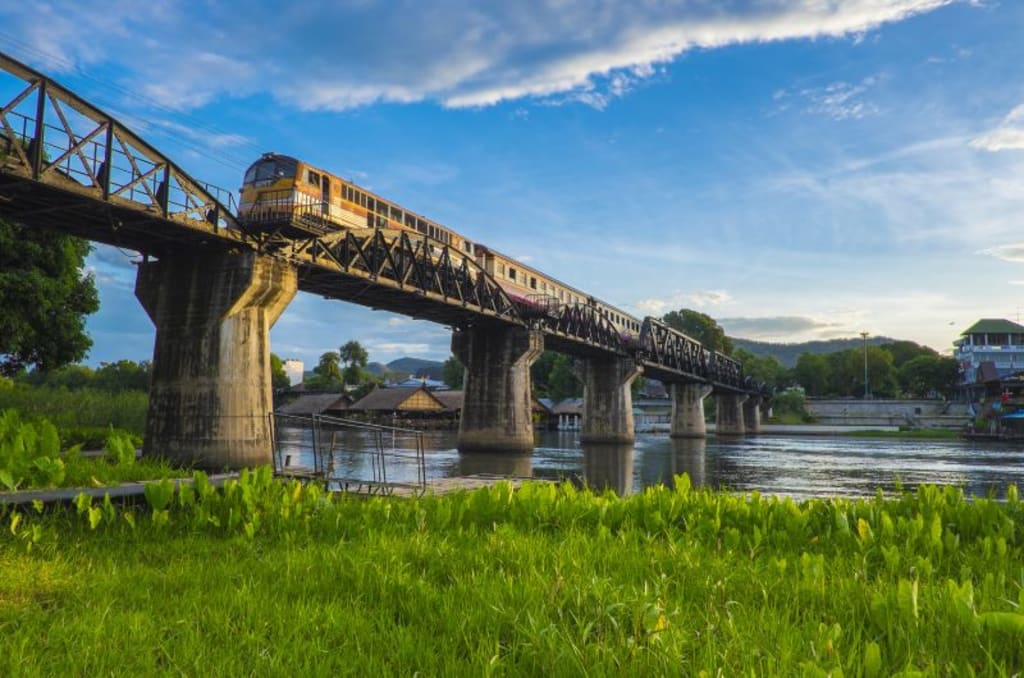
The Haunted History of River Kwai Bridge and Hellfire Pass, Kanchanaburi
A Legacy of Suffering
River Kwai Bridge and Hellfire Pass, Kanchanaburi, Thailand, are etched in history as a testament to human endurance and war violence. During World War II, the Japanese Imperial Army forced over 60,000 Allied prisoners of war (POWs) and 200,000 Asian laborers to construct the 258-mile Thailand-Burma "Death Railway" under inhumane conditions. The railway was to supply Japanese troops in Burma, but its building came at a ghastly cost: Approximately 16,000 POWs and 90,000 Asian laborers perished from starvation, disease, torture, and exhaustion.
The River Kwai Bridge, immortalized in Pierre Boulle's novel and the 1957 film The Bridge on the River Kwai, was one of over 600 bridges built along the railway. Though the film was fictionalized, the actual bridge—made of wood and reused Dutch steel—was zeroed in upon as a focal point. The Allies bombed and destroyed it in 1945, though they rebuilt it subsequently. Meanwhile, Hellfire Pass, a rocky 75-meter cut through the Tenasserim Hills, had gotten its moniker due to the ghostly glow of torches burning to light up meager workmen working at night, their shadow forming "skeletal figures in hell's flames.". Prisoners here toiled 18-hour days with primitive tools; 69 of the men were beaten to death during its six-week construction phase, and thousands perished due to disease and starvation.
Echoes of the Past: Ghostly Encounters
The trauma of the Death Railway has stamped Kanchanaburi with an indelible mark on its landscape, as many locals and visitors can attest to supernatural occurrences related to lingering spirits.
The Mass Grave and Restless Souls
A motorbike repairman, Sompong Chorenchai, reported in 1991 that he was haunted by nightmares of ghostly skeletons searching for peace. His nightmares revealed a mass grave along the railway line, 500 corpses lying there—some hooked together, others buried alive. After rituals by Buddhist monks, Sompong's nightmares faded, but the location remains a center of paranormal activity. Natives talk of ghost stories within the jungle and spooks at burial sites, believed to be restless spirits still looking for closure.
Hellfire Pass: A Corridor of Sorrow
Visitors to Hellfire Pass also commonly experience oppressive surroundings, including cold spots, disembodied shrieks, and ghostly tools clinking together. The memorial museum, financed by the Australians, documents these atrocities, yet the slicing itself radiates felt sorrow. Sound testimonies by survivors, as heard on tours, contribute to the perception of enduring despair. One accounts the tale of a visitor who felt an unseen hand grasp their shoulder while taking photographs of the pass—a chilling reminder of witnessed brutality.
The JEATH Museum's Haunting Effigies
The JEATH War Museum, so titled after the nations it represents (Japanese, English, Australian, Thai, and Dutch), has graphic depictions of POW atrocities. Wooden statues of beaten prisoners, reminiscent of Thailand's Buddhist "Hell Gardens," are unsettling. Staff members report objects move abnormally, while tourists have captured orbs and apparitions. Some report the statues' eyes moving to follow them, as if with the pent-up energy of the deceased.
The Phantom Laborers of the Bridge
Despite its daytime tourist-infused environment, the River Kwai Bridge is a creepy place at night. Guards and locals have reported hearing ghostly footsteps and glimpsing ghostly figures in tattered uniforms pacing the rails—presumably remnants of POWs who were forced to repair the bridge after Allied bombing. One Thai farmer who lived near the bridge claimed to have seen ghostly apparitions digging ditches in 1991, only to vanish at dawn.
The Kanchanaburi War Cemetery
This serene cemetery holds nearly 7,000 Allied servicemen, yet visitors have been known to speak of an unfulfilled sorrow that hangs among the marble graves. Some have photographed misty figures hovering over graves, and others speak of unexpected waves of sorrow, as though the dead are living again through their unrecounted tales.
A Place of Reflection and Remembrance
Kanchanaburi’s haunted reputation stems not from malevolent spirits but from unresolved trauma. The River Kwai Bridge and Hellfire Pass serve as stark reminders of humanity’s capacity for cruelty—and resilience. While skeptics attribute ghostly tales to overactive imaginations, the emotional weight of these sites is undeniable. For many, the whispers in the wind and shadows in the jungle are a plea to remember the lives lost, ensuring their sacrifice is never forgotten.
As you walk the Death Railway or stand before Hellfire Pass, tread lightly. You may not spot a ghost, but you will sure hear history's scream echoing within you.
About the Creator
Kyrol Mojikal
"Believe in the magic within you, for you are extraordinary."
Keep reading
More stories from Kyrol Mojikal and writers in Horror and other communities.
The Haunting of Jangmuarinnakorn House: Thailand’s Most Notorious Ghost Mansion
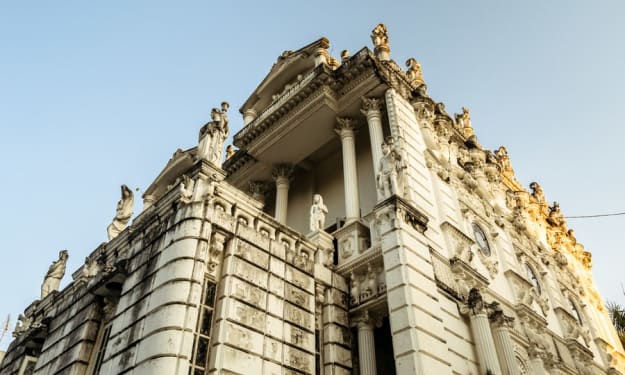
The Spooky History and Phantom Tradition of Jangmuarinnakorn House (White Lion House), Chiang Mai Situated in the northwest corner of the ancient city walls of Chiang Mai, the crumbling majesty of Jangmuarinnakorn House, or the White Lion House, is a terrifying reminder of ambition, tragedy, and the paranormal. Its baroque facade, with snarling lion statues guarding either side, is jarring against its surrounding tropical landscape, attracting both fascination and terror. This is the tale of its ghostly heritage, a mix of historical fact and spooky legend.
By Kyrol Mojikal9 months ago in Horror


Comments
There are no comments for this story
Be the first to respond and start the conversation.