
From silent horror to modern masterpiece: The evolution of Nosferatu
Timeless terror: The Haunting legacy of Nosferatu
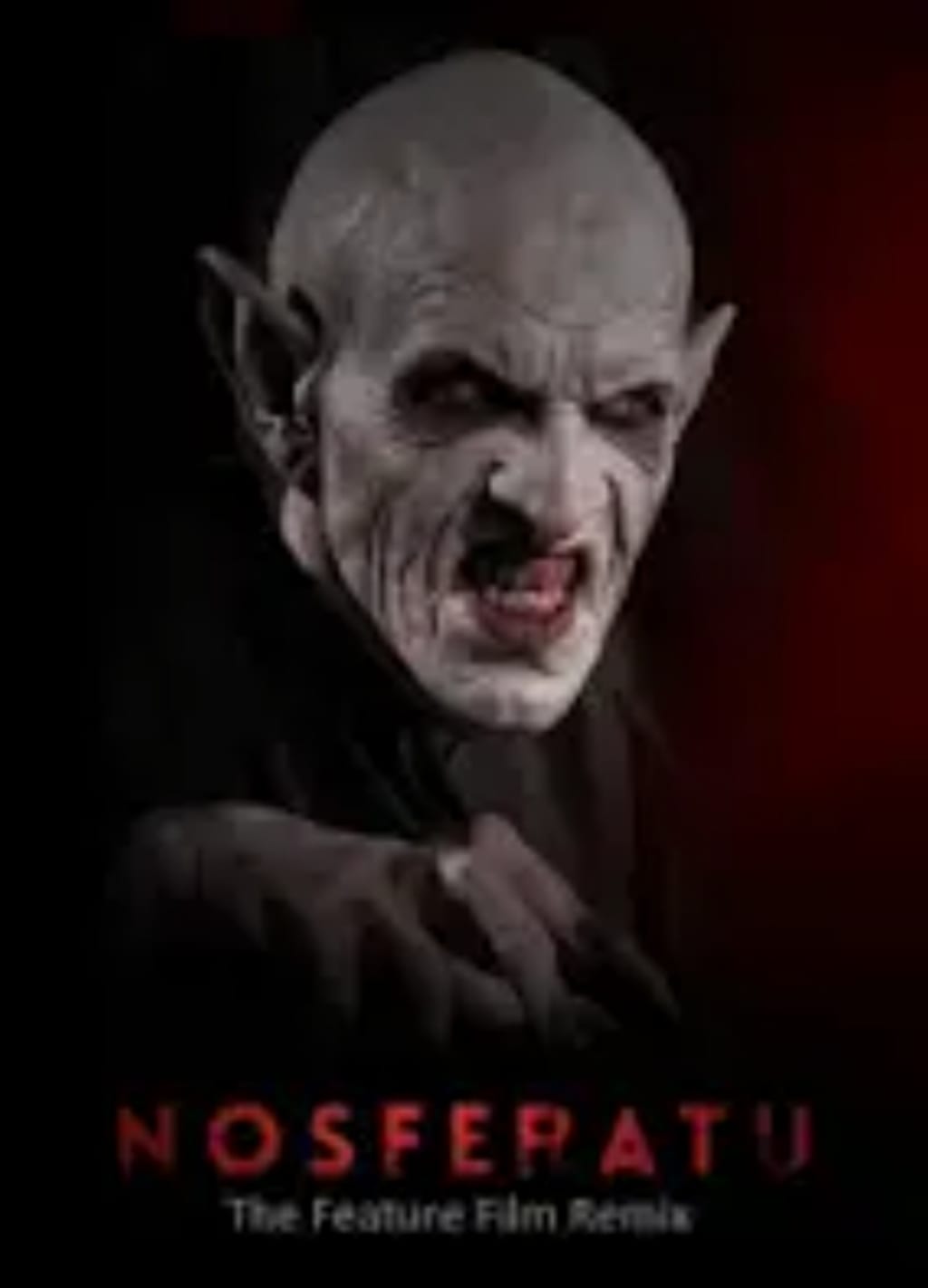
From Silent Horror to Modern Masterpiece: The Evolution of Nosferatu
A hundred years ago, one shadow fell across the screen, and horror was never to be the same thereafter. That shadow belonged to Count Orlok, Nosferatu's fearsome heart. Today, as the tale rises once again, it proves that time stands still for real fear. From a silent German Expressionist film to its very modern-day reimagining, Nosferatu has been haunting audiences with ghostly visuals and atmosphere. But what makes Nosferatu tick even a hundred years later in sending chills down the audience's spine?
Let's delve into how this cult film got transformed from a silent masterpiece into a modern horror sensation.
The Silent Era: Birth of a Legend
Helmed by F.W. Murnau, the original Nosferatu: A Symphony of Horror was an unauthorized adaptation of Bram Stoker's Dracula, which had its premiere in 1922. Because of some problems with copyright, Murnau changed the names and settings to create Count Orlok as the main antagonist instead of Count Dracula. Still, the film retained the core of the story-a chilling battle between good and evil.
Max Schreck's performance as Count Orlok is still one of the most unsettling portrayals of a vampire. With his long, spindly fingers, sunken eyes, and gauzy movements, Orlok personified terror in its most pure form. With the film's dark cinematography and bleak, barren landscapes, Nosferatu became a visual treat and a staple of horror.
However, the film's journey wasn't without obstacles. Stoker's estate ordered all copies destroyed, but a few prints survived, allowing Nosferatu to gain cult status and influence generations of filmmakers.
A Cult Following and Legacy
Over time, Nosferatu transcended its silent film origins to become a symbol of early horror. The film's stark imagery, gothic themes, and psychological depth left an indelible mark on pop culture.
Werner Herzog's 1979 remake, Nosferatu the Vampireas a reimagining of the original with added layers of complexity. It reacquainted audiences with Count Orlok, placing a greater emphasis on his loneliness and the tragic nature of his immortality. Herzog's version proved that Nosferatu was more than a relic-it was a timeless story capable of resonating with new generations.
But even beyond direct remakes, the influence of Nosferatu is not to be denied. Indeed, from the shadowy aesthetics of Dracula films right up to modern vampire tropes as reflected in series such as Twilight and The Vampire Diaries, traces of Count Orlok's legacy can be found throughout pop culture.
The Modern Reimagining
By 2025, Nosferatu had risen once again, this time as a remade masterpiece, courtesy of Robert Eggers, starring Bill Skarsgård as Count Orlok and Lily-Rose Depp as Ellen, this new adaptation fuses the gothic core of the original with modern filmmaking powers.
It's much more of a character study, really, into Count Orlok and his feelings of isolation, obsession, and what the price of immortality is. The 2025 Nosferatu is one that moves into new territory while keeping its roots intact, giving a psychological and emotional element to the story.
For fans of the original, there are plenty of subtle nods to enjoy, such as the iconic shadow sequence and the haunting presence of Orlok. Newcomers will be drawn in by modern visuals, compelling performances, and a narrative that feels as fresh as it is timeless.
Why Nosferatu Still Matters
What makes Nosferatu timeless is that it can change with time, yet it retains its essence. On a deeper level, this is a film about fear: fear of the unknown, of death, of losing one's self to darkness. All these fears are as real today as they were in 1922.
Besides, Nosferatu reminds us of the power of visual storytelling. The transition of Nosferatu from a silent film to a modern cinematic experience has shown how classic tales can be remade to tell something to contemporary audiences.
Engage with the Legend
If you have not seen Nosferatu yet, now is the best time. First, see the original to appreciate the pioneering artistry; then check out the 2025 adaptation to see how it has changed.
What do you think made Nosferatu an eternal horror icon? Can the modern adaptation ever live up to the status of a legend? Share your thoughts and join the conversation.
Conclusion
From its silent beginnings to its rebirth as a modern masterpiece, Nosferatu stands tall as a beacon of horror cinema. It's a testament to the enduring power of storytelling and the universal appeal of the vampire mythos. As audiences once again feel the chill of Count Orlok's shadow, they are reminded of why Nosferatu continues to haunt our collective imagination.
For any classic film enthusiast or not, the evolution of Nosferatu is one journey that is worth undertaking, an example that some legends just never die.
About the Creator
Killing him slowly
There’s an intruder in my house again. He stumbles through the door, wet carrier bags in hand. He’s bought me offerings. I show my appreciation, letting him caress my beautiful body. He wants to touch me. I rub myself against his legs. He sighs, dropping the bags. He can’t resist touching me. Running his hand slowly down my spine, I arch my back towards his caress, let out a low purr. It’s what we both need.
By N J Delmasa day ago in Horror



Comments
There are no comments for this story
Be the first to respond and start the conversation.