
From Classic Monsters to Modern Psychological Thrillers
The Evolution of Horror

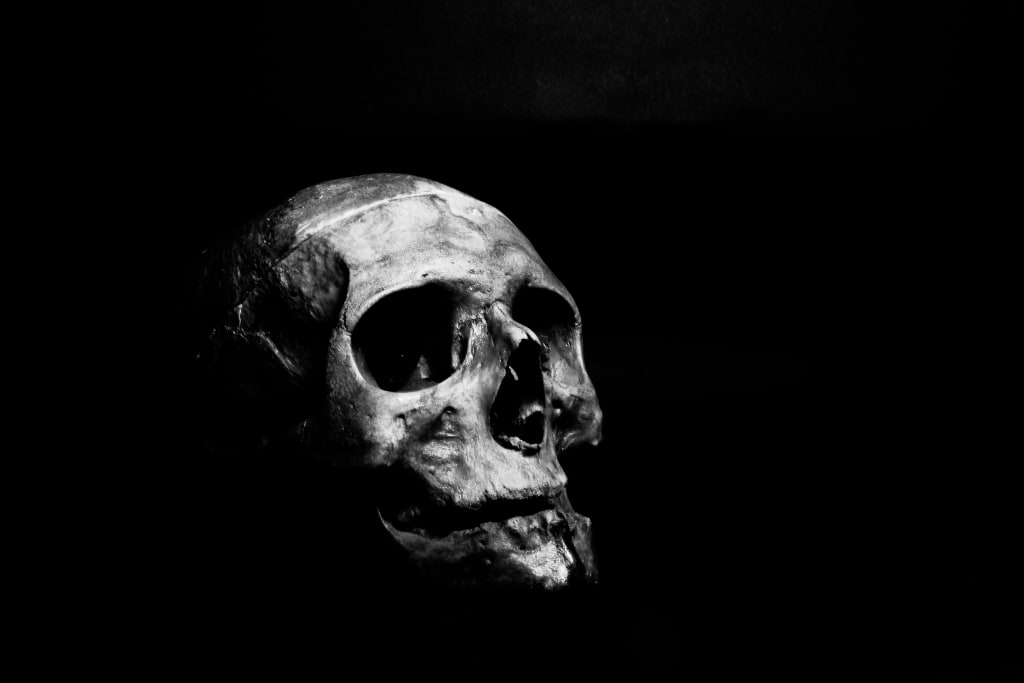
Horror is a genre that has evolved significantly over the years, from the early days of classic monster movies to the more nuanced and psychologically driven thrillers we see today. But what has stayed constant is its ability to terrify audiences and keep them coming back for more. From Frankenstein’s monster to modern-day slashers, horror has always adapted to reflect the fears and anxieties of the time.
In this article, we’ll explore the evolution of horror, from the early classics to the modern-day psychological thrillers that push the boundaries of the genre.
1. The Origins of Horror: Classic Monsters
The horror genre’s roots can be traced back to literature, with works like Mary Shelley’s "Frankenstein" and Bram Stoker’s "Dracula" introducing readers to terrifying creatures and the ethical dilemmas that come with scientific advancement and immortality. These early works laid the foundation for the monster movies that would dominate the early 20th century.
Movies like "Dracula" (1931) and "Frankenstein" (1931) became iconic representations of horror, introducing the world to characters that have become cultural touchstones. These films reflected the societal fears of the time, particularly anxieties around scientific discovery and the consequences of playing god.
2. The Slasher Boom of the 1970s and 80s
Horror took a darker turn in the 1970s and 80s with the rise of slasher films. This era gave us some of the most iconic horror villains, from Michael Myers in "Halloween" to Freddy Krueger in "A Nightmare on Elm Street." These films focused on brutal, often unstoppable killers who terrorized their victims, offering a visceral and bloody form of horror that appealed to audiences looking for intense thrills.
The slasher genre played on fears of home invasion and the idea that danger could lurk anywhere, even in small suburban towns. Films like "Friday the 13th" and "Texas Chainsaw Massacre" capitalized on these fears, creating a sense of paranoia that resonated with audiences.
3. The Rise of Psychological Horror
In recent years, horror has shifted away from gore and shock value toward more psychological and atmospheric storytelling. Films like "Hereditary," "The Witch," and "Midsommar" are prime examples of this new wave of horror, which focuses more on building tension and exploring the human psyche than on delivering jump scares.
Psychological horror delves into the minds of its characters, creating a sense of dread and unease that lingers long after the credits roll. It’s less about the monster outside and more about the monsters within—the inner demons, the repressed trauma, the psychological breakdowns that make us question what is real and what isn’t.
4. Horror in the Digital Age
With the advent of the internet, horror has taken on new forms. Creepypastas, short horror stories shared online, have become a popular way for people to consume bite-sized scares. Stories like "Slender Man" and "The Russian Sleep Experiment" have gained cult followings, with some even inspiring films and video games.
Additionally, social media has allowed horror creators to reach wider audiences. Platforms like YouTube have given rise to horror series like "Marble Hornets" and "Don’t Hug Me I’m Scared," which use the internet’s viral nature to build suspense and deliver terrifying content in new and creative ways.
About the Creator
Words by Imene
My journey has shaped my belief that everyone has the power to transform their lives and reach their full potential. Through my writing, I aim to empower my readers to embrace change and cultivate a mindset of success and resilience.
Keep reading
More stories from Words by Imene and writers in Horror and other communities.
The Mirror’s Curse
Emily had always been drawn to the beauty of antique shops. Each piece held a story, a history waiting to be uncovered. That day, she stumbled upon an ornate mirror tucked away in a corner, its gilded frame intricate and captivating. It was unlike anything she had ever seen, with a surface that shimmered even in the dim light of the shop.
By Words by Imeneabout a year ago in Horror
The Devil's Cut
“Comrade, finally you’re awake.” The voice was smooth, sensual. A flickering incandescent bar was all that lit the white, sterile room. All Vladimir remembered was everything going black. He tried to move his arms and found them strapped to the gurney.
By Matthew J. Fromm4 days ago in Fiction


Comments (1)
I'm not a huge horror buff, but i love psychological thrillers and the fall of the human psyche into madness. This is a cool timeline to see the evolution of the genre.