
DON’T SIT The Horrific Busby Stoop Chair
A Deadly Legacy Truth, Legend, or Something More Sinister?

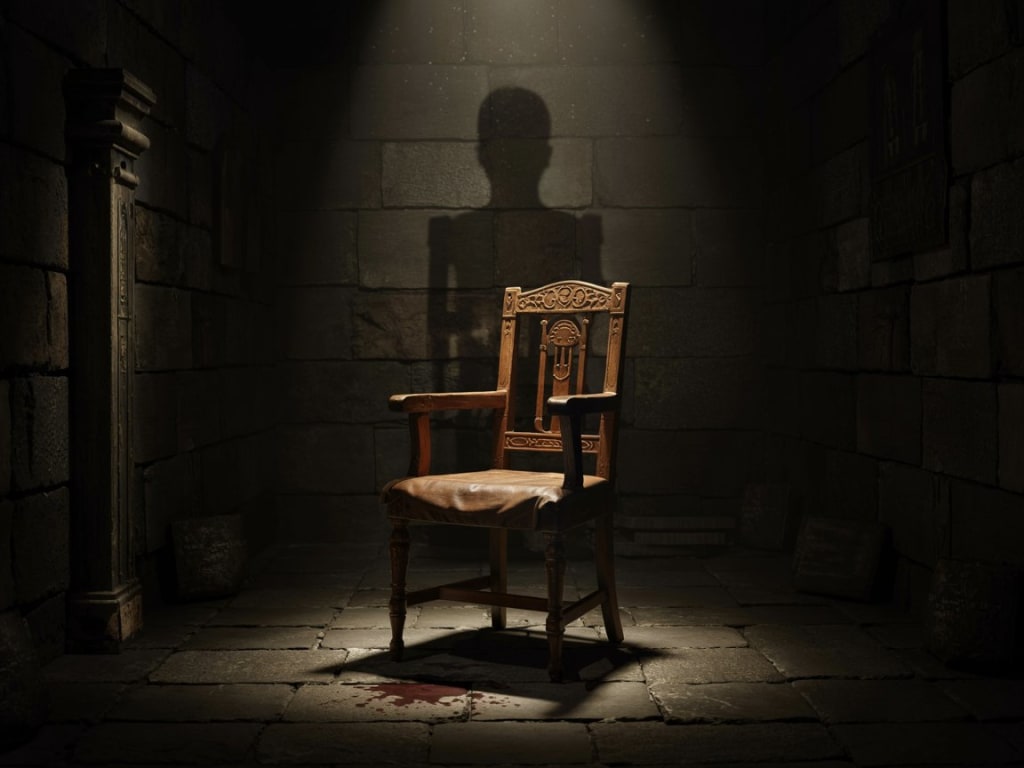
The Cursed Chair: A Deadly Legacy – Truth, Legend, or Something More Sinister?
Sometimes, certain things are more than they appear. One such object is the Busby Stoop Chair, an unassuming wooden chair now housed in a museum in North Yorkshire. At first glance, it seems like just another old, worn piece of furniture—nothing extraordinary. But its history is anything but ordinary, steeped in tragedy and a curse that has lasted for centuries.
The Tragic Curse Begins
The curse of the Busby Stoop Chair begins in 1702 with Thomas Busby, a tavern owner who infamously murdered his father-in-law, Daniel Auty, in a dispute over property. The argument quickly turned violent, and Busby killed Auty in cold blood. But what makes this murder more sinister is what happened before the killing. As Busby was dragged away to be hanged, he supposedly cursed his favorite oak chair, vowing that no man would ever sit in it without facing death. “May no man sit in this chair and live,” he allegedly declared, marking the chair with a dark omen.
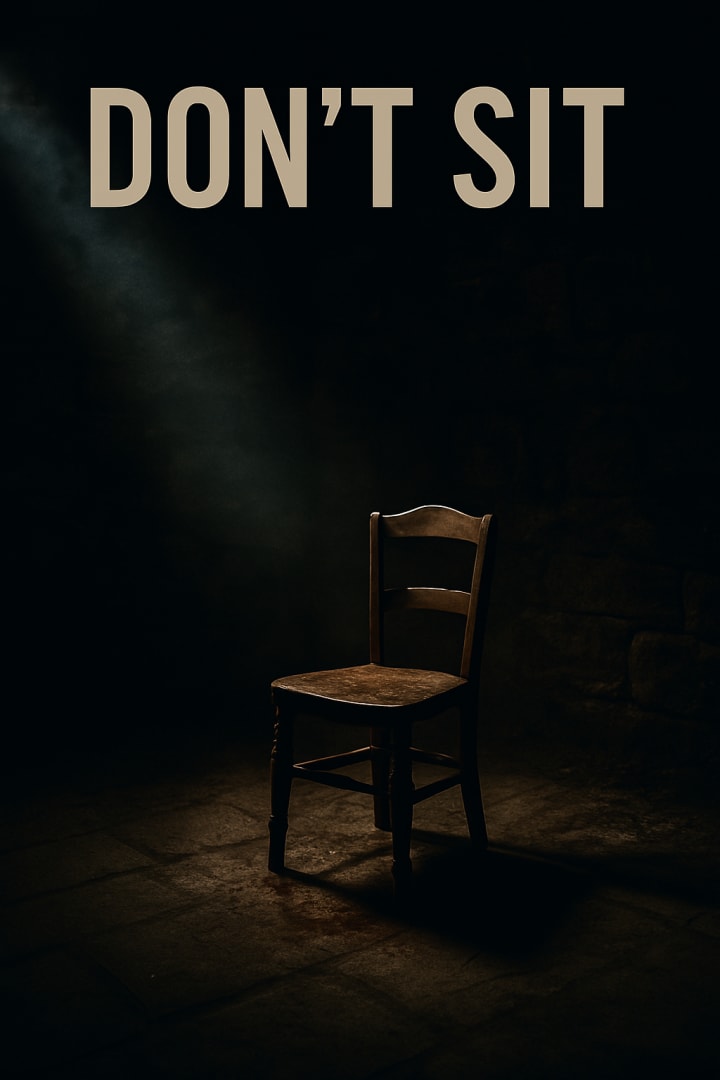
The Chair’s Dark History
After Busby was executed, his chair remained in the Busby Stoop Inn, the tavern he had once owned. For a time, it was just another piece of furniture, nothing more than a chair near the fireplace. But soon, strange and inexplicable deaths began to occur, all linked to this one piece of furniture. People who sat in the chair met tragic and often violent ends—sometimes in accidents, other times in mysterious circumstances.
The pattern began to emerge: a series of bizarre events tied to those who dared sit in the chair. Some died in bar fights, others in car crashes, while a few experienced untimely, unexplained deaths. It was not long before the locals began to believe that the curse was real.
During World War II, RAF pilots stationed at a nearby base started frequenting the inn. Some, familiar with the curse, mocked it, sitting in the chair despite the ominous warning. Tragically, many of them did not return from their missions. The connection between the chair and death became too strong to ignore, and the curse seemed to be claiming more and more lives.
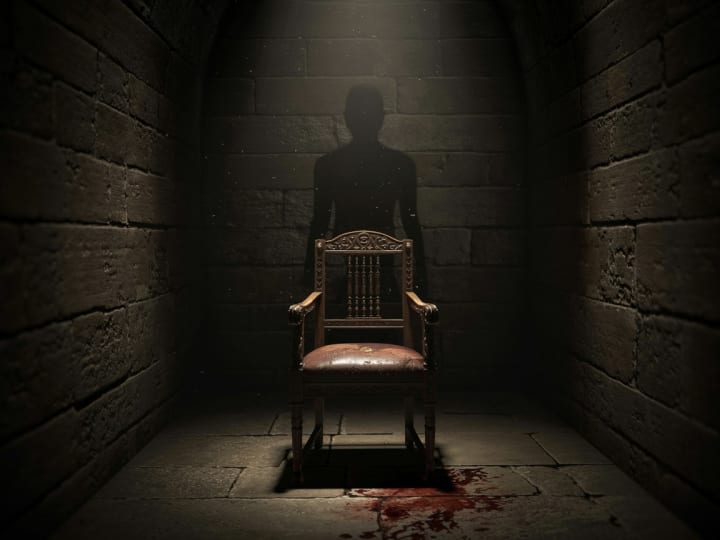
The Final Acts of the Curse
The curse continued to take lives throughout the years. In the 1970s, a deliveryman who took a break by sitting in the chair died in a car crash that very same day. A roofer, after sitting in the chair, fell to his death while working. One builder, who openly mocked the curse, sat in the chair—and hours later, he too met a fatal accident. With these repeated deaths, fear surrounding the chair only grew, and people began to avoid it at all costs.
Eventually, the owners of the Busby Stoop Inn decided they could no longer keep the cursed chair. In 1978, they contacted the Thirsk Museum, where the chair was moved under one condition: it would not be destroyed or burned, but rather displayed in a way that no one could sit in it again. The chair was suspended high on a wall, chained to ensure that no one could ever sit in it again. The curse had effectively been contained, or so it seemed.
The Chair Today
Today, the Busby Stoop Chair remains on display in the museum, a chilling relic of the past. It hangs high on the wall, out of reach, but its dark legacy still lingers. People may walk past it, some with skepticism, others with a sense of unease, but no one dares sit in it. The curse, whether real or simply the product of human fear, continues to haunt the chair.
Is the curse truly real? Or is it just the result of coincidence, embellished by years of local folklore? Psychology offers a possible explanation: confirmation bias. People are wired to detect patterns, especially when tragedy strikes. As each new death occurred near the chair, the legend of the curse grew stronger. But even if the events were accidents, the fear and superstition surrounding the chair became a powerful force.
The structural integrity of the chair itself has also been questioned. Some suggest that its placement near a fireplace and on damp floors may have weakened its joints, making it unsafe to sit in. While this could explain some accidents, it doesn’t account for the sheer number of fatal incidents linked to the chair over the years.
Final Thoughts: A Dangerous Question
The question still remains: Would you sit in the Busby Stoop Chair? If you were alone in the museum, with no one watching, would you dare to challenge the curse? Or would the eerie silence and the weight of its history stop you from sitting?
The Busby Stoop Chair is not just a piece of furniture; it’s a symbol of the unknown. It’s a reminder of how stories, fear, and the unexplained can create a legacy that endures through time. Whether you believe in its curse or dismiss it as superstition, one thing is certain: the chair still exudes an unsettling energy. It waits, silent and patient, never calling out, yet always reminding us of the dark history it carries.
About the Creator
Anas Khan
Welcome to My Profile
Keep reading
More stories from writers in Horror and other communities.
The Devil's Triangle
The sails ruffled in the breeze as we cruised along. The Sea Breeze was a mid-size catamaran that sailed out of Royal Naval Dockyard in Bermuda. We had booked this trip weeks in advance and were now looking at our Captain, Spike and two boat hands. Paddy and Wilson seemed like nice guys, joking around with the passengers and telling us some stories about Bermuda that only locals would know. Their island accents sounded almost British but they were pleasant to listen to.
By Barbara Gode Wilesabout 12 hours ago in Fiction



Comments
There are no comments for this story
Be the first to respond and start the conversation.