
Chilling Pages: The Evolution of Horror in Contemporary Literature
From Psychological Thrillers to Supernatural Hauntings, How Modern Horror Books Captivate and Terrify Today's Readers

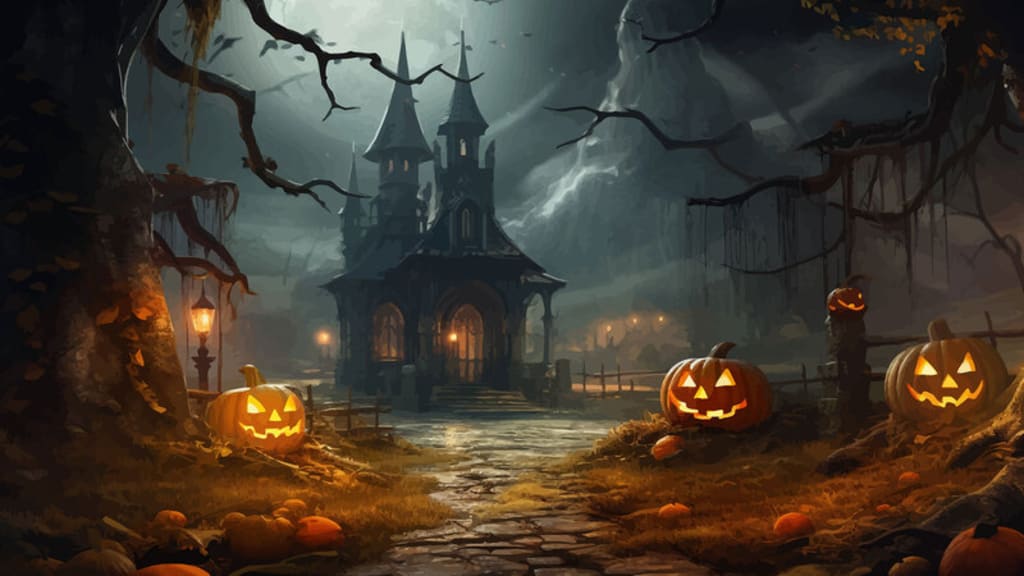
Horror literature has a long and storied history, stretching back centuries to the dark tales of Gothic novels and ancient folklore. Over time, the genre has evolved, reflecting the fears, anxieties, and cultural shifts of each era. Today, contemporary horror literature is experiencing a renaissance, marked by both a return to classic elements and the emergence of new, innovative narratives that challenge and redefine what it means to frighten and disturb readers. From psychological thrillers to supernatural hauntings, horror fiction continues to captivate modern audiences with its ability to explore the darkest recesses of the human experience.
The Roots of Horror: Gothic Origins and Early Foundations
The foundations of modern horror literature lie in the Gothic novels of the late 18th and early 19th centuries. Works like Mary Shelley’s Frankenstein, Bram Stoker’s Dracula, and Edgar Allan Poe’s short stories laid the groundwork for many of the tropes and themes that would dominate the genre in the centuries to come. These stories were often steeped in atmosphere, psychological tension, and a deep fascination with death, the supernatural, and the unknown.
Gothic horror novels brought together elements of the macabre, the grotesque, and the sublime. The genre delved into the human psyche, exploring themes of isolation, madness, and the blurring of the boundaries between the real and the supernatural. The figures of the vampire, the monster, and the haunted house would go on to become staples of horror literature, continuing to evolve in new ways as society’s fears and cultural contexts shifted.
The Rise of Psychological Horror
By the mid-20th century, the genre began to evolve, moving away from its reliance on the Gothic supernatural toward more psychological and existential forms of horror. Writers like Shirley Jackson, with The Haunting of Hill House, and Richard Matheson, with Hell House, introduced horror that was less about outward, monstrous threats and more about the terror within the human mind. This shift signaled the rise of psychological horror, where the true fear was often not in external forces but in the instability of the human psyche itself.
Jackson’s work, in particular, is often considered a masterpiece of psychological horror, blending the supernatural with deeply human concerns about identity, isolation, and the breakdown of reality. The Haunting of Hill House, for example, centers on a group of people who are not only haunted by a malevolent house but also by their own unresolved traumas and psychological vulnerabilities. This genre of horror, rooted in emotional and mental terror, paved the way for contemporary authors to explore how fear arises from within the mind rather than from any outside threat.
The Emergence of Horror as Social Commentary
While traditional horror often dealt with physical monsters and supernatural creatures, modern horror literature has increasingly served as a lens for exploring societal issues and human conflict. The genre has become an effective tool for confronting real-world fears, offering a platform to discuss everything from racial inequality to environmental collapse, to the anxieties of modern technology.
Stephen King, often hailed as the "King of Horror," has been one of the most prominent authors to use horror as a vehicle for social commentary. In novels like Carrie, It, and The Shining, King explores the darker aspects of American life, including the violence of high school bullying, the pervasive trauma of abuse, and the corrupting influence of power. His work draws from the collective fears of society, turning real-world problems into metaphors for supernatural evil.
In the 21st century, horror writers have expanded these themes even further. Books like The Only Good Indians by Stephen Graham Jones and The Cabin at the End of the World by Paul Tremblay weave social commentary about race, identity, and survival into their terrifying plots. In Jones’s novel, Indigenous characters face supernatural threats that reflect the lingering impact of historical trauma and colonization. Similarly, Tremblay’s work examines how fear can expose the moral and ethical decisions we make when pushed to extremes, often in response to modern crises.
The New Wave: Blending Horror with Other Genres
One of the most exciting developments in contemporary horror literature is the genre’s increasing hybridity with other literary forms. Horror writers today are not afraid to blend traditional horror elements with other genres, resulting in works that defy easy categorization and offer fresh, innovative takes on terror. This blending of genres allows for deeper explorations of the human experience and a broader appeal to different types of readers.
Folk horror is one subgenre that has seen a resurgence in recent years. Combining elements of folklore, rural landscapes, and the supernatural, folk horror taps into the primal fears associated with isolation, nature, and the unknown. Books like The Ritual by Adam Nevill and The Loney by Andrew Michael Hurley explore the eerie and unsettling power of tradition and superstition in remote settings. The sense of dread in folk horror often stems from the intrusion of something ancient and unknowable into the ordinary world, whether in the form of mysterious rites or hidden rituals.
Another example of horror’s genre-blending can be found in horror-infused literary fiction. Authors like Carmen Maria Machado (Her Body and Other Parties) and Tananarive Due (The Good House) mix horror with literary techniques, examining themes of trauma, memory, and identity while still delivering the chills and thrills that horror fans crave. These works bring the genre into conversation with broader literary movements, allowing horror to reach new readers who might not traditionally gravitate toward "genre" fiction.
The Role of Horror in the Age of Technology
As technology continues to evolve at a rapid pace, contemporary horror literature has increasingly reflected concerns about the digital age, artificial intelligence, and the impact of modern technology on our lives. While classic horror often dealt with tangible, physical threats like monsters and ghosts, today’s horror explores the insidious ways that technology can manipulate, control, and dehumanize us.
Books like The Girl With All the Gifts by M.R. Carey and The Troop by Nick Cutter delve into post-apocalyptic scenarios shaped by viruses, biotechnology, and genetic modification. These novels tap into fears of medical advancements gone awry and the breakdown of society in the wake of technological catastrophe. Meanwhile, writers like Tana French (The Likeness) and Paul Tremblay (The Cabin at the End of the World) explore the psychological horror of surveillance, social media, and the erosion of privacy in an increasingly interconnected world.
Technology’s role in horror is also evident in the growing subgenre of cyber horror, which uses virtual worlds, hacking, and digital dystopias to evoke fear. In these stories, the line between the real and the virtual becomes increasingly blurred, as characters navigate worlds where digital threats—like AI, cyber attacks, and identity theft—take on terrifyingly real consequences.
The Resurgence of Supernatural Horror
While psychological horror and social commentary have dominated much of the genre’s evolution, there is a renewed interest in the supernatural. Ghost stories, vampires, and monsters are once again making their way into the pages of contemporary horror novels. This resurgence is, in part, a reaction to the increasingly rational and science-driven world we inhabit. Supernatural horror allows readers to escape into a realm where the impossible becomes real, and where the boundaries between life and death, the natural and supernatural, are anything but clear.
In books like Mexican Gothic by Silvia Moreno-Garcia and The Silent Companions by Laura Purcell, the supernatural is used not just to frighten, but to create atmosphere and explore themes of power, decay, and cultural identity. These modern ghost stories draw on historical settings and cultural traditions, reimagining the haunted house trope with fresh narratives that reflect current fears about societal collapse, the paranormal, and the legacies of the past.
The Future of Horror Literature
As horror literature continues to evolve, one thing remains clear: its power to captivate and terrify will endure. Whether through psychological horror, supernatural encounters, or the exploration of contemporary fears, modern horror books are pushing the boundaries of the genre, offering deeper, more nuanced ways to explore terror. Horror will continue to reflect our collective anxieties, tapping into universal fears while offering us the opportunity to confront the darkest aspects of humanity.
With the genre’s growing diversity, increased focus on social issues, and willingness to experiment with different styles and genres, the future of horror literature looks both thrilling and unpredictable. As long as there are fears to confront and stories to tell, horror will remain one of literature’s most potent and enduring forms.
As readers continue to seek out the thrill of the unknown, one thing is certain: the pages of horror will continue to chill us, inspire us, and leave us questioning what truly lies in the dark.
About the Creator
Lawson Brooks
Author
Keep reading
More stories from Lawson Brooks and writers in Horror and other communities.
Shakespeare vs. Dickens: Exploring Two Literary Legends
William Shakespeare and Charles Dickens are pillars of English literature, each leaving an indelible mark on the cultural and literary landscape. Though separated by centuries and writing in distinct genres, both authors captured the complexities of human experience in ways that have made their works timeless. Shakespeare’s eloquent verse continues to inspire, while Dickens’ vivid characters and sharp social critiques still resonate with modern readers. In this article, we will delve into the distinctive qualities of their writing, examining their impact on literature and the ways in which their works continue to shape our understanding of society and the human condition.
By Lawson Brooksabout a year ago in BookClub
The Animatronics Don’t Power Down Anymore
I’m 17 and I work closing shifts at Chuck E. Cheese. If you’ve never closed one before, let me explain something real quick: the place does not go quiet after the last family leaves. The lights dim, the arcade hums, and everything smells like grease and sanitizer. You hear noises that don’t belong to anyone anymore.
By V-Ink Stories3 days ago in Horror
Rachel Reviews: The Spiral Archive by Pieter Hendrik
It's difficult for me to know where to start with a review of this book as it was, for me, an entirely unique experience and one that I'll probably never have again. I don't want that to be interpreted as unenjoyable but it has left me scratching my head a little and ruminating on its content, its themes and its characters.
By Rachel Deeminga day ago in BookClub


Comments
There are no comments for this story
Be the first to respond and start the conversation.