
A Nightmare on Elm Street is scarier than you remember
Low budget does not always mean low quality.

Remember when Johnny Depp was a serious actor and on a roll to make a respectable name for himself?
Yeah, me neither.
But I do remember the movie of his that made me a hardcore horror genre fan: A 1984 classic, A Nightmare on Elm Street.
Shortly after Jamie Lee Curtis debuted on silver screens in a psychological horror Halloween (1974), and slightly before Stephen King published his magnum opus IT (1986), and unleashed the phenomenon of a supernatural entity that doesn't abide by the laws of physics, Freddy Krueger, had entered the scene under the directorial auspices of Wes Craven.
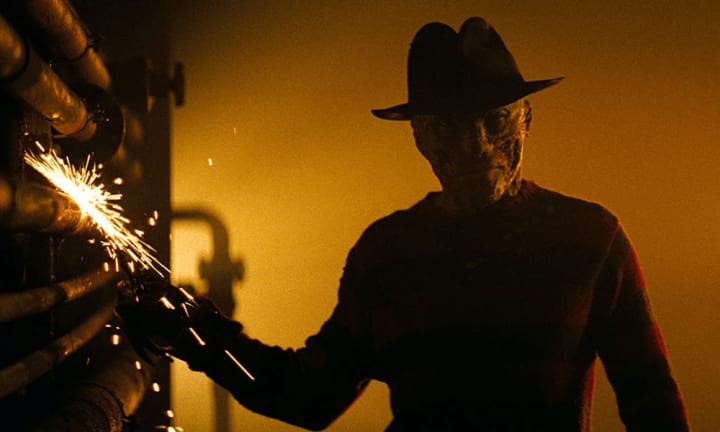
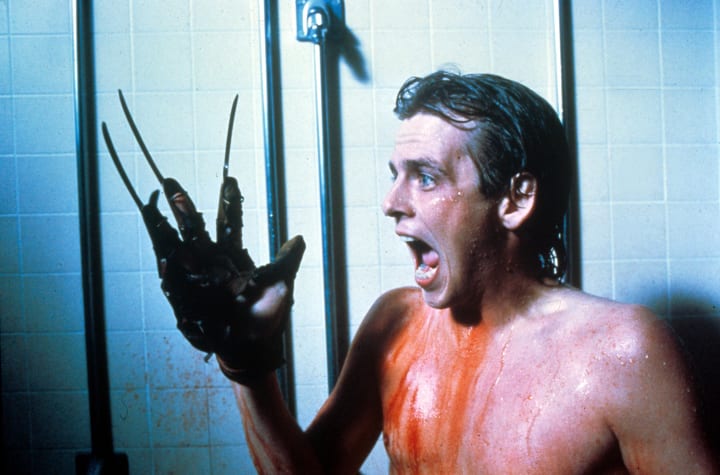
A group of teenagers in a fictional town of Springwood, Ohio, gets terrorized by a misshapen, distorted-faced monster. The only problem – he appears in the realm of dreams with a gloved Wolverine-like hand where he is practically invincible.
As he tortures them one by one, depriving them of sleep and causing physical harm to their bodies that transcends the dreamland, they have to set out on a path of discovering how to beat him.
In the wake of the upcoming Celtic holiday known as Halloween, we want to transport back to the era of neon eye shadows and curly perms to reminisce about the iconic villain-ness of Freddy Krueger.
Here are the five reasons for you to fire up those streaming services and slip into a blissful nightmare that is this movie:
1. It Gave Us Johnny Depp
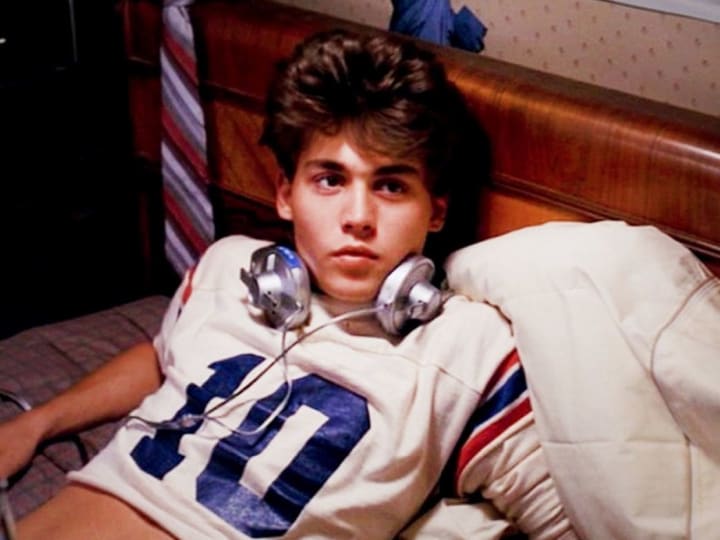
As mentioned above, this movie put Johnny Depp on a map. Back in the 80s, before Johnny Depp caricatured himself out of Hollywood and into a courtroom, he was a good-looking kid with no acting resume sporting a David Hasselhoff hair-do long before it became canon, working on this low budget movie for so little pay he could qualify as an intern.
He plays the main heroine's boyfriend Glen, and besides winking a few times, he doesn't do much on screen.
However, his gruesome death by being sucked into a mattress with as much vigor as I sip my strawberry mojitos on a Saturday night began his distinguished film career.
2. It's Controversial
This one might be surprising. I could not be further from declaring that society should not be more empathetic and could use more refined language when it comes to sensitivity on all fronts.
But when it comes to interpreting art, all bets are off. Stepping out of a comfort zone for an artist more often than not produces something worth losing your precious time over.
Remember that SNL sketch where Dwayne the Rock Johnson plays a scientist at a villain's global conference? He invents the child-molesting robot, and every other supervillain in that room is appalled and disgusted.
Everyone watching was, but it also made for a great comedy within the right context, given the right timing.
In the 80s, the artsy climate with King's Carrie (1976) and Hooper's The Funhouse (1981), the aficionados of horror were already making splashes, hungry for more thriller-aimed, psychological dramas.
The era of still-walking mummies, ghosts under the bed, and cartoonish vampires (at least at that time, unfortunately) was over-played, over-washed, and deprived of any polish.
Enter Wes Craven with a staccato of the politically incorrect, horrifying concept of a child molester torturing a group of teenagers.
Krueger is not merely the bad guy for the sake of being the bad guy; he is a nefarious, heinous monster who escaped the punishment and got his comeuppance (sort of) when the damaged party of repulsed, grief-stricken parents set him on fire.
Which leads us straight to …
3. The Villain’s Motivations
Marvel might put me on a trail for this mind-blowing revelation, but there used to be a time when the villains could not lean on the magic of CGI and had to be developed into a fully functioning character with background stories and grounding motivations.
Whether it was Phantom, Nicholas Medina, or Freddy Krueger, the villain was only as strong as their motivations.
And Freddy has plenty going for him to torture the children of the people who burned him alive.
The moral dilemma in itself is a pickle to ponder over – whether they were in the right to take justice into their hands and take his life – but that's not Freddy's point of view. He was wronged and demands a remedy for his damage.
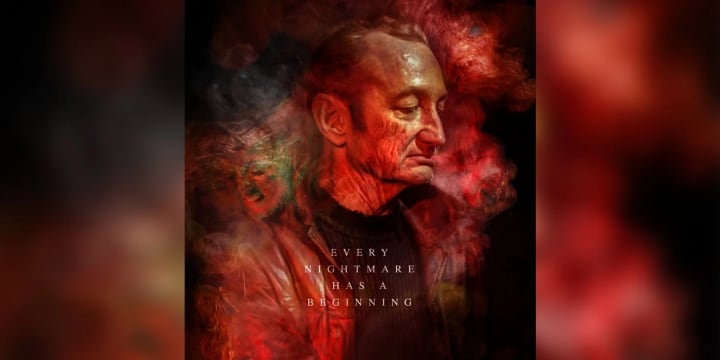
4. The Iconic Look
Let's ask ourselves, what is the first thing that penetrates your mind when you lay eyes upon someone?
The right answer would be – whatever that sticks out to you the most. That's why mundaneness and unoriginality never get remembered – we are driven by our senses. Since movies tingle our sight the most, the visuals are essential to make the villain look iconic.
The appeal is in the eye.
The most gruesome, the vilest, we remember by their appearance, which they are usually defined by. Just like the Joker's nature is highlighted by his clown makeup, Darth Vader, by his mask, you associate the brown unappealing face mask with Hannibal Lecter.
The fact that it doesn't require a movie production to sell cast's kidneys to create an iconic look for a villain is proven by Freddy Krueger.
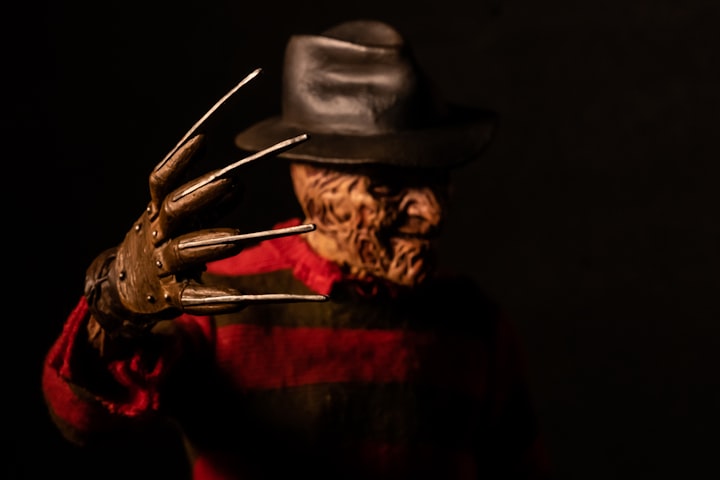
The sideway-laying fedora that hides his disfigurement, the striped green-red jumper, and a half-ass Edward Scissorhands hand are all raw ingredients, the very minimum of elements on the side of the wardrobe department that contribute to the menacing image of Freddy Krueger.

5. It Doesn't Make Any Sense
Oh, yes, consistency and narrative continuance, you enemies of fun, what say you?
The big idea behind all horror movies is that the spice of the genre comes from being somewhat unpredictable.
Do the Pennywise’s powers make any sense to you? No? You're not alone, friendos, yet the IT book is my favorite horror story of all time.
Freddy's ability to enter and re-enter the real world, his weaknesses and strengths are as much of a mystery as the Nando's Peri-Peri sauce. Will we ever learn what the hell kinda language is Peri-Peri supposed to be? Is it Portugal? Is it Swahili? Did Freddy gain a god-like status of immortality and is invincible? Is he a figment of imagination? Does he feed on fear? How can he appear in mirrors?
Will we ever know?
Of course, not.
Does it bother us?
Of course, not.

The most chilling fact about this story probably remains that director's inspiration for Freddy Krueger came from real life.
Wes Craven claims that he built the character after reading several stories in Los Angeles Times about a continual unsolved deaths: All the victims reported re-occurring nightmares and died in their sleep.
Just imagine a dream so vivid, you would never wake up from it.
About the Creator
Keep reading
More stories from Zara Miller and writers in Horror and other communities.
Close encounter at the midnight hour.
Close Encounters of the Midnight Hour It’s a quarter to 4, just a few hours before dawn. The room is dark; silence engulfs it. I lie in bed and fall asleep. In just a few hours, I will wake up and go through my morning routine. I’m not a morning person—just a bit tired from those sleepless nights.
By Rickles Pez5 days ago in Horror


Comments
There are no comments for this story
Be the first to respond and start the conversation.