
8 Creepy Aspects of Victorian Life: Exploring the Darker Side of Progress and Innovation
The Victorian era was a time of great change and innovation in Western society, but it was also a period marked by some rather creepy and unsettling aspects of daily life.

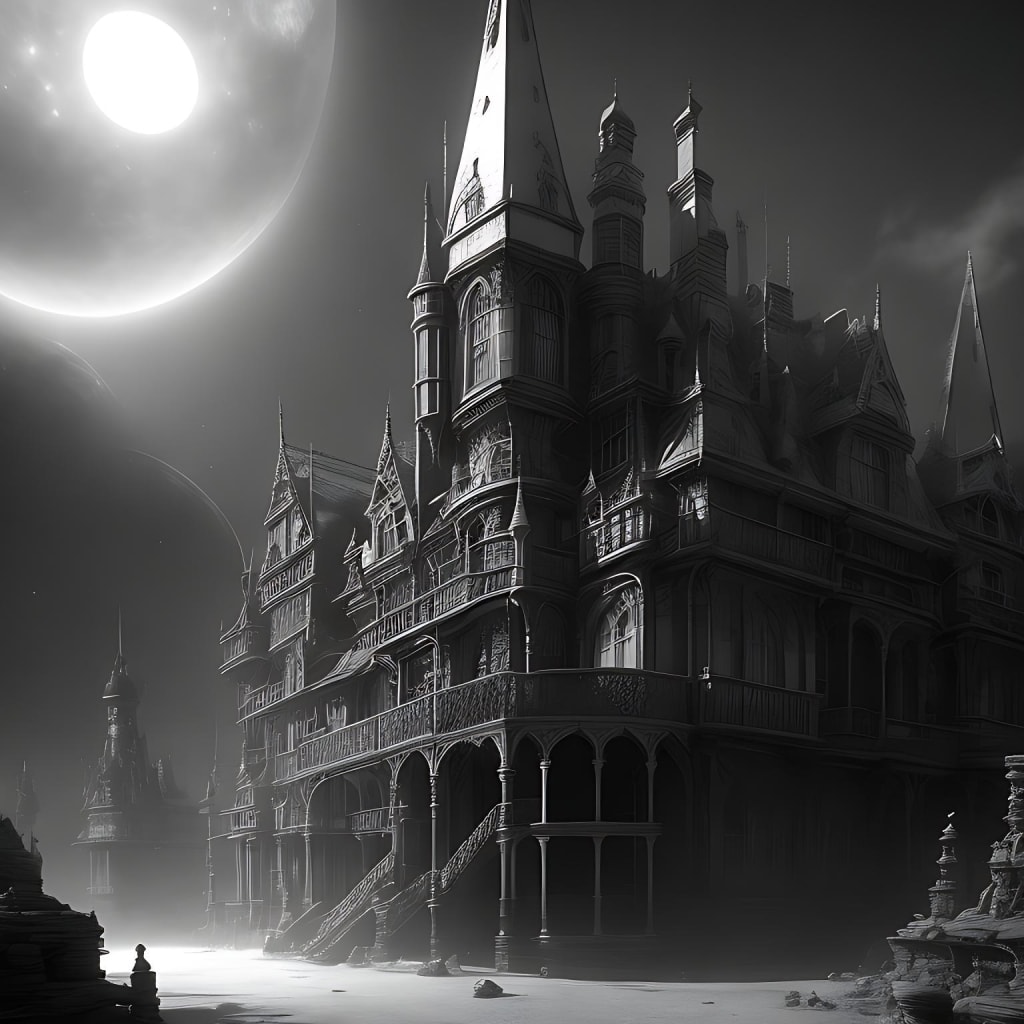
Here are eight examples of the eerie and unsettling facets of Victorian life:
1. Death and Mourning Rituals
Death was an ever-present reality in Victorian society, and mourning rituals were taken very seriously. Families would often keep the bodies of their loved ones in their homes for days or even weeks, and funerals were highly stylized events that involved elaborate processions and mourning attire. Some even wore mourning jewelry made from the hair of the deceased.
In addition to the customs surrounding death, Victorians were also obsessed with the idea of the afterlife. Spiritualism became a popular movement during this time, with many people convinced that they could contact departed loved ones through mediums or other forms of divination. This led to a fascination with séances, ouija boards, and other forms of communication with the dead.
2. Medical Procedures and Treatments
Medical science was still in its infancy during the Victorian era, and doctors often resorted to some rather bizarre treatments. Bloodletting, for example, was a common practice, as was the use of leeches to drain blood from patients. Other treatments included electric shock therapy, arsenic-based tonics, and the use of opium as a painkiller.
Many medical professionals believed that bad smells and "miasmas" were the cause of diseases, leading to the widespread use of things like burning incense and wearing aromatic perfumes. This belief also led to the construction of cemeteries far outside of city limits, as it was believed that decomposing bodies could lead to the spread of disease.
3. Spiritualism and the Occult
As mentioned earlier, spiritualism became a popular movement during the Victorian era, with many people convinced that they could contact departed loved ones through mediums or other forms of divination. This led to a fascination with séances, ouija boards, and other forms of communication with the dead.
The occult also became a popular topic of interest during this time, with many people dabbling in practices like fortune-telling, palmistry, and astrology. The rise of theosophy, a movement that claimed to provide a deeper understanding of the nature of reality, also contributed to the popularity of the occult during the Victorian era.
4. Child Labor
Child labor was a widespread practice during the Victorian era, and many children were forced to work in dangerous and unsanitary conditions. Children as young as five or six were put to work in factories, mines, and other industries, often working long hours for very little pay.
This led to a variety of health problems, both physical and mental, as well as a lack of education and opportunities for the children forced into these jobs. While child labor laws were eventually introduced in the early 20th century, the damage had already been done to an entire generation of children.
5. Poor Sanitation and Hygiene
Sanitation and hygiene were major issues in Victorian society, with many people living in overcrowded and unsanitary conditions. Diseases like cholera, typhus, and tuberculosis were rampant, and it was not uncommon for people to go for weeks or even months without bathing.
This lack of hygiene extended to many aspects of daily life, including food preparation and handling. Many foods were adulterated with toxic substances like lead, and it was not uncommon for people to become sick or die from contaminated food and water.
6. The Cult of Domesticity
The Victorian era was also marked by a strong emphasis on traditional gender roles, with women expected to be subservient to their husbands and focused solely on domestic duties like cooking, cleaning, and child-rearing. This ideal was perpetuated by the popular press, which often portrayed women as delicate and fragile creatures who needed to be protected from the harsh realities of the world.
This cult of domesticity led to a stifling of women's ambitions and a lack of opportunities for personal and professional growth. Women were often denied access to education and the workplace, and were expected to devote themselves entirely to their families.
7. The Victorian Obsession with the Occult
The Victorian era saw a surge of interest in the occult, with many people exploring spiritualism, divination, and other forms of supernatural phenomena. This interest in the paranormal was fueled by a sense of curiosity and a desire to understand the mysteries of the universe, but it was also shaped by the prevailing cultural norms of the time.
Many Victorians believed that the occult offered a way to transcend the limitations of the physical world, and to connect with higher spiritual planes of existence. This fascination with the occult was reflected in the literature and art of the time, with many writers and artists exploring themes of magic, mysticism, and the supernatural.
8. The Fear of Death
The Victorian era was marked by a pervasive fear of death, which was seen as a constant threat lurking just around the corner. This fear was shaped by a variety of factors, including the high mortality rates of the time, the prevalence of diseases like cholera and tuberculosis, and the rigid social codes that governed mourning rituals and funerary practices.
This fear of death was reflected in the art and literature of the time, with many writers and artists exploring themes of decay, decay, and mortality. Gothic horror was a popular genre during the Victorian era, with writers like Mary Shelley and Bram Stoker exploring the darker aspects of the human psyche.
In conclusion, the Victorian era was a time of great innovation and progress, but it was also marked by some rather creepy and unsettling aspects of daily life. From the rituals surrounding death and mourning to the obsession with the occult and the fear of death, these eerie and unsettling facets of Victorian life continue to fascinate and intrigue us to this day.


Comments
There are no comments for this story
Be the first to respond and start the conversation.