
10 Real Psychological Conditions That Seem Too Strange to Be True
These disorders sound fictional—until you meet someone who lives with one.

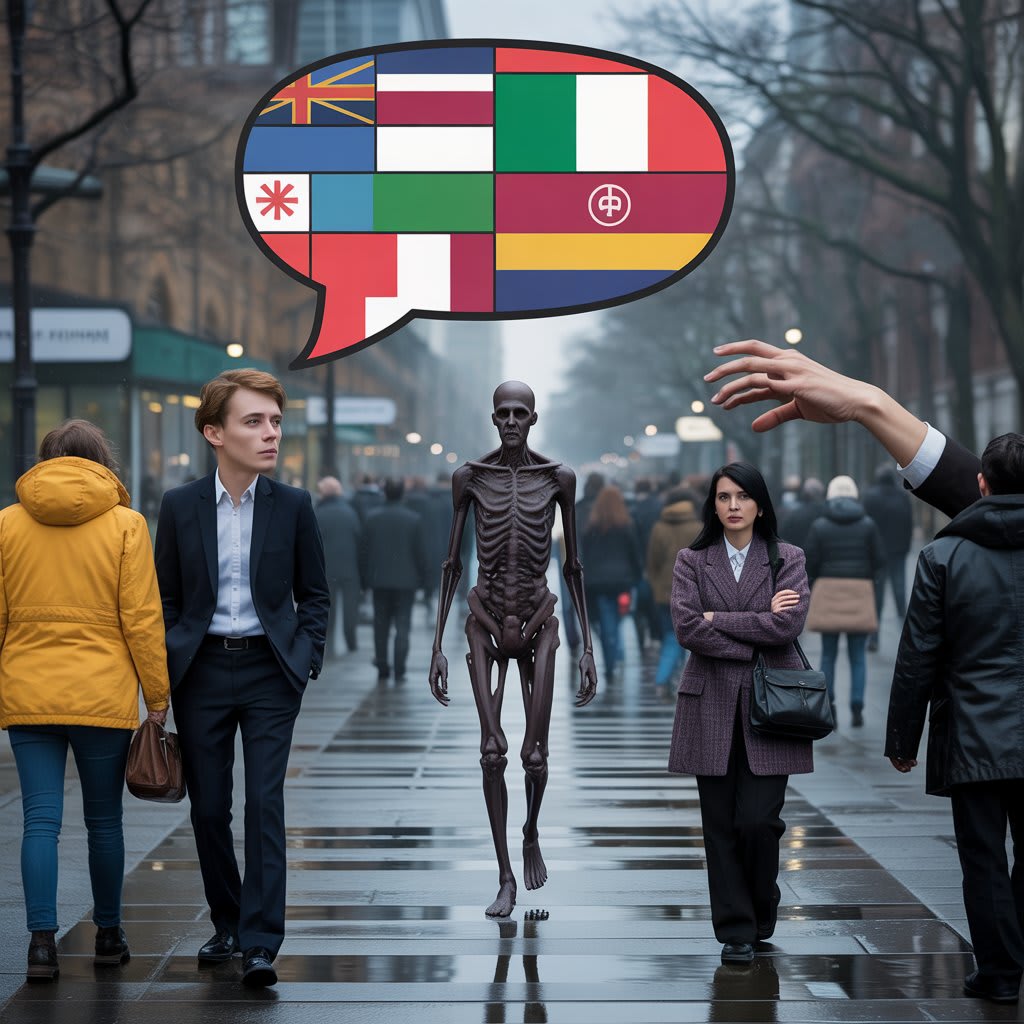
10. Cotard’s Delusion (Walking Corpse Syndrome)
Imagine believing that you're dead—even though you're very much alive. That’s the terrifying reality for people with Cotard’s Delusion, a rare condition where individuals are convinced that they no longer exist, that their organs have stopped working, or that they’re literally decomposing.
Some sufferers even visit morgues, insisting they belong there. It's linked to severe depression and brain damage, often affecting areas involved with facial recognition and emotional processing.
9. Capgras Syndrome (The Imposter Illusion)
This eerie disorder causes a person to believe that someone close to them—like a spouse, friend, or even a pet—has been replaced by an identical imposter.
Even more disturbing: the person often recognizes the face, but something feels emotionally off. “That looks like my wife,” one patient might say, “but I know it isn’t her.”
Capgras is usually triggered by brain trauma or neurodegenerative diseases like Alzheimer’s, and it’s as heartbreaking as it is surreal.
8. Alien Hand Syndrome
In this condition, a person’s hand appears to act on its own, with no input from the person’s conscious mind. The hand might grab objects, slap the person, or perform complex actions—seemingly with a will of its own.
Most commonly caused by brain surgery or stroke, Alien Hand Syndrome is so unsettling because the limb behaves independently, making sufferers feel like they’re being haunted by part of themselves.
7. Foreign Accent Syndrome
After a head injury, stroke, or neurological damage, some people suddenly start speaking with what sounds like a foreign accent—despite never having been exposed to that culture.
For example, an American may begin speaking with a thick Russian accent, or a Brit may develop what sounds like a Chinese lilt. While the speech pattern is actually a distortion of normal pronunciation, the result is bizarre and life-altering.
6. Apotemnophilia (Body Integrity Identity Disorder)
People with this rare and deeply misunderstood condition feel an intense desire to amputate one or more healthy limbs. They often report a disconnect between their physical body and their internal identity, insisting that a leg or arm “doesn’t belong to them.”
This disorder raises difficult ethical questions: should doctors amputate healthy limbs to give patients psychological relief? There’s no clear answer—only suffering.
5. Reduplicative Paramnesia
Here’s one for the Twilight Zone: people with Reduplicative Paramnesia believe that a place—like their hospital, house, or even entire hometown—has been duplicated and exists in multiple locations at once.
For instance, someone might insist they’re not in a hospital in New York, but in an identical hospital in Florida, or a copy of their home was moved somewhere else entirely. It’s often associated with brain damage, particularly after trauma to the frontal lobes.
4. Jerusalem Syndrome
Visiting the Holy City has triggered intense psychotic breaks in otherwise healthy people—leading them to believe they are biblical figures like Moses or Jesus, or that they’ve been given divine missions.
Jerusalem Syndrome affects a small number of visitors to Israel each year, who suddenly begin dressing in robes, preaching in public, or quoting scripture obsessively. The condition usually resolves once the person leaves the city, but not always.
3. Diogenes Syndrome
Named after the ancient Greek philosopher who lived in a barrel, this condition causes extreme self-neglect, hoarding, and social withdrawal. Unlike typical hoarders, those with Diogenes Syndrome often appear unaware or unbothered by their living conditions—even if they’re surrounded by garbage, dead animals, or mold.
It’s often found in elderly people, especially those with dementia or a history of trauma.
2. Boanthropy (The Cow Delusion)
One of the strangest psychological conditions on record, Boanthropy is a delusion in which a person believes they are a cow, ox, or other bovine creature. They may try to graze on grass, crawl on all fours, or moo like cattle.
Historical records mention kings and nobles who suffered from this, and while extremely rare today, it still appears in psychiatric case studies.
1. Pica: The Urge to Eat the Uneatable
We’ve all had strange cravings, but Pica takes it to a dangerous level. This disorder causes people to compulsively eat non-food items—like dirt, glass, chalk, hair, paper, or even metal.
Pica is often linked to nutritional deficiencies, especially iron, and is most common among pregnant women, children, or those with developmental disorders. It can cause serious health issues if left untreated.
About the Creator
"Scream 7" (2026): Running out of Fresh Screams
This is the seventh time we’ve had a Ghostface crisis. Scream 7 is the latest edition of the Scream franchise. Sydney Prescott and her family are under attack by another anonymous killer dressed in a Ghostface costume. While having issues with her daughter, Tatum, they run from the bloody murders, trying to determine who is behind it all.
By Marielle Sabbag5 days ago in Horror




Comments
There are no comments for this story
Be the first to respond and start the conversation.