
10 Keys to Making a Good Horror Movie
Believe it or not, good horror movies follow certain key elements to achieve success

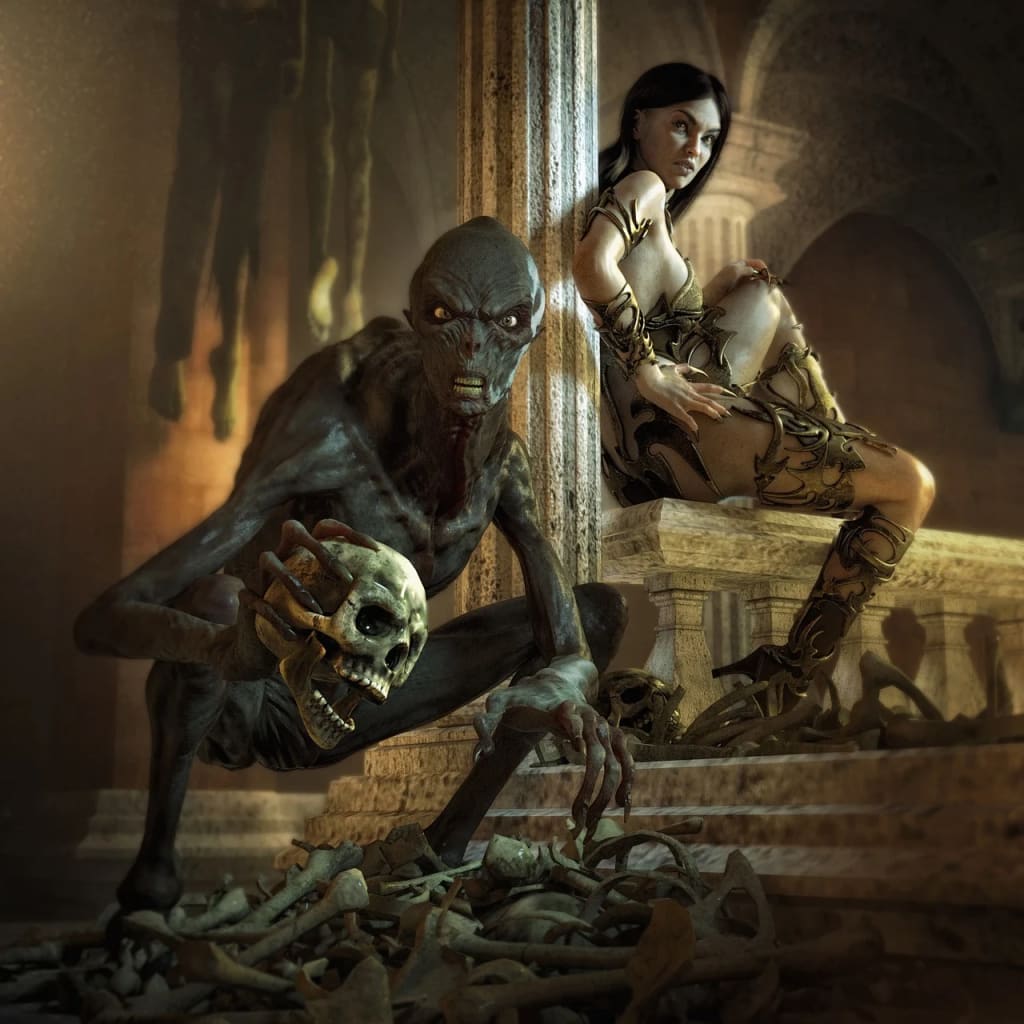
Horror fans often have specific expectations regarding how stories should unfold and conclude. A creative idea aligns with these expectations, providing a sense of fulfillment. For instance, in slasher films, audiences typically hope for the final girl to triumph over evil. Meeting these expectations can enhance viewer satisfaction and engagement.
Creating a compelling horror movie involves a blend of various elements that work together to evoke fear, suspense, and emotional engagement. Here are ten essential factors that contribute to the success of a horror film:
1. Strong and Original Plot
A good horror movie should have a creative and engaging storyline that avoids clichés. It should present unique scenarios that keep the audience guessing and invested in the outcome.
2. Believable Characters
Characters must be well-developed and relatable. Viewers should care about their fates, which enhances the emotional stakes of the film. This connection makes the horror more impactful when characters face danger.
3. Effective Use of Atmosphere
The atmosphere is crucial in horror films. This includes the use of lighting, sound design, and set design to create an unsettling environment that enhances the feeling of dread and suspense.
A thought-provoking stimulate discussion among viewers, encouraging them to analyze and debate the film's events and implications. This engagement can enhance the film's cultural impact and longevity, as audiences share their thoughts and interpretations with others.
4. Building Suspense and Tension
A successful horror film keeps the audience on the edge of their seats. This can be achieved through pacing, unexpected plot twists, and the gradual buildup of tension, making viewers anticipate what will happen next.
5. The Element of Fear of the Unknown
Great horror often plays on the fear of the unknown. This can involve ambiguous threats or unseen monsters, which can be more terrifying than showing the horror outright.
6. Memorable Antagonist
A well-crafted villain or monster is essential. This character should be frightening and memorable, whether they are supernatural beings, psychological threats, or human killers. Their motivations and backstory can add depth to the horror. Thus, the audience is moved by the individual situations of the characters, even though these may be difficult for common sense to grasp.
7. Creative Use of Sound
Sound effects and music play a significant role in horror films. Eerie soundscapes and sudden noises can heighten tension and create jump scares, making the viewing experience more immersive.
8. Themes of Isolation and Vulnerability
Many effective horror films explore themes of isolation, making characters feel trapped or vulnerable. This can amplify the sense of fear and helplessness, drawing viewers deeper into the narrative.
9. Engaging Visuals and Cinematic Techniques
Cinematography, including camera angles and shot composition, can significantly influence the film's mood. Techniques like low lighting and unexpected framing can evoke feelings of claustrophobia and dread.
10. A Satisfying Conclusion
Finally, a good horror movie should have a conclusion that resonates with the audience. Whether it’s a twist ending or a resolution that leaves lingering questions, the ending should feel earned and impactful, leaving viewers with something to ponder long after the credits roll.
Final thoughts
Horror films are built on tension and suspense. A satisfying final provides a resolution to this tension, allowing viewers to experience a cathartic release. This resolution can come in various forms, such as the defeat of the antagonist or the survival of the protagonist, which can evoke feelings of relief and closure.
An original idea is essential for a horror movie's lasting impact as it shapes the audience's overall experience, provides emotional resolution, fulfills expectations, and encourages ongoing discussion and engagement with the film.
Incorporating these elements can help filmmakers create horror movies that not only scare but also engage and resonate with audiences, ensuring a memorable cinematic experience.
About the Creator
Ninfa Galeano
Journalist. Content Creator. LGBT+ perspective 🏳️🌈
Keep reading
More stories from Ninfa Galeano and writers in Horror and other communities.
10 Creepypasta Stories That Deserve Film Adaptations
Creepypasta stories have become a significant part of modern horror culture, often blending elements of folklore with the digital age's storytelling capabilities. Here are ten notable creepypasta stories that not only deserve film adaptations but also possess unique characteristics that could translate well to the big screen.
By Ninfa Galeano3 months ago in Horror
"Scream 7" (2026): Running out of Fresh Screams
This is the seventh time we’ve had a Ghostface crisis. Scream 7 is the latest edition of the Scream franchise. Sydney Prescott and her family are under attack by another anonymous killer dressed in a Ghostface costume. While having issues with her daughter, Tatum, they run from the bloody murders, trying to determine who is behind it all.
By Marielle Sabbag7 days ago in Horror
The Oakville Blobs: When the Sky Dropped Something It Shouldn’t Have!
Some mysteries whisper... Others fall from the sky. And in 1994, that's just what happened. In the summer of 1994, residents of the quiet logging town of Oakville, Washington, reported something that sounded like a prank, a hoax, or perhaps a misremembered weather event. But it wasn’t. Because on multiple occasions that year, a strange gelatinous substance rained down from the sky, clear, sticky, and unnervingly organic.
By Veil of Shadowsa day ago in Horror




Comments (1)
Horror bases heavily on atmosphere so think about the setting, lighting, and most important, the sound. The story must captivate the others from the begining and the horror movie achieves that goal with a good idea and the people must feel strong emotions for the characters. So the executive Producers have to choose good artists.