
What is The Great Mosque of Xi'an in China?
Why is it an important Islamic Landmark?
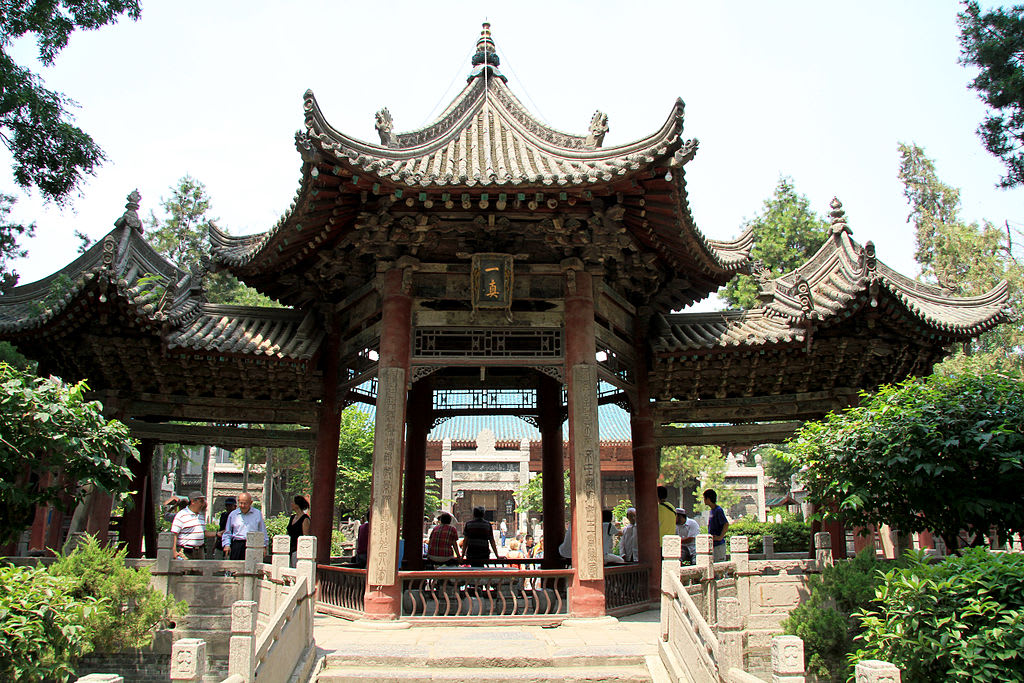
The Great Mosque of Xi’an is more than just an architectural wonder—it’s a place where different cultures have seamlessly merged over centuries. This Islamic landmark offers a profound glimpse into the city’s multicultural spirit.
Introduction
This mosque, located in Xi'an's bustling Muslim Quarter, is a monument that symbolises centuries of religious tolerance and cultural integration in addition to being a place of worship. Home to the well-known Terracotta Warriors and known for its historic Silk Road tradition, Xi'an also maintains an Islamic culture that is intricately entwined with Chinese history. A trip to the Great Mosque of Xi'an is quite enlightening. It provides a distinctive viewpoint on the peaceful coexistence of various cultures in China, regardless of your interest in history or just the sites of cultural significance.
A Brief History of the Great Mosque of Xi’an
Although the Great Mosque was first built during the Tang Dynasty (618–907 AD), its current form was developed during the Ming Dynasty (1368–1644 AD). A monument to the long-standing ties between China and the Islamic world, the mosque was first built to serve the local Muslim community, which was mostly made up of Arab and Persian traders along the Silk Road. One of China's best-preserved specimens of Islamic architecture, it has stood for over a millennium.
Unique Architectural Fusion
The Great Mosque of Xi'an's architectural design is among its most striking features. The Great Mosque features traditional Chinese architecture in contrast to the domes and minarets usually found in Islamic mosques. The building consists of five courtyards, each with elaborately carved stone tablets, old trees, and rich gardens. With its carefully painted and carved roof tiles and wooden beams, the main prayer hall—which is still used for worship—is a masterpiece of Chinese craftsmanship. Arabic inscriptions and Chinese calligraphy coexist harmoniously throughout the site, symbolising the cultural blend that the mosque embodies. This fusion not only represents the adaptability of Islamic architecture in different regions but also highlights the spirit of acceptance that characterises Xi’an’s history.
Exploring the Mosque Complex
A sequence of increasingly elaborate courtyards welcomes visitors to the Great Mosque. What to anticipate while exploring is as follows:
The First Courtyard - also called the Hall of Introspection, is a serene way to enter the hallowed location. Visitors are led further into the mosque's sanctity by decorative stone tablets with Chinese calligraphy lining the pathways.
The Second Courtyard: The Phoenix Pavilion is a pavilion located in the second courtyard. The building's graceful shape echoes traditional Chinese architecture, and its name represents prosperity.
The Third Courtyard: The Shengxin Lou, also known as the "Pavilion of the Holy Heart," is a prominent feature of the third courtyard. The mosque's cross-cultural legacy is captured by the numerous stone tablets that are etched with Chinese poetry and Arabic lines.
The Main Prayer Hall: Reserved just for Muslims, this magnificent building features vivid murals, intricate woodwork, and red and green beams. You can admire the architecture from the outside and, if you're lucky, hear the lovely calls to prayer echoing throughout the complex, even though non-Muslim tourists are not permitted inside.
Why the Great Mosque of Xi’an is an Important Islamic Landmark
The Great Mosque of Xi’an holds significance beyond its religious purpose. It represents a unique cultural exchange between the East and the West, highlighting China’s historical openness to foreign influences. As an architectural marvel, the mosque provides a rare glimpse into how Islam adapted to and thrived within Chinese society. It also reflects Xi’an’s historical importance as a hub of global interaction, given that it was the eastern terminus of the Silk Road.
In modern times, the Great Mosque remains an important place of worship for the Hui community in Xi’an. The Hui Muslims, who are of Chinese ethnicity but follow Islam, have maintained this landmark as a vital part of their religious and cultural identity. This sense of cultural heritage and religious unity continues to attract visitors from all backgrounds.
Tips for Visiting the Great Mosque
Although visiting the Great Mosque is a serene experience, it is important to respect the traditions and standards upheld here. Keep in mind that this is a place of active worship, so dress appropriately. While it's normally acceptable to take pictures in the courtyards, it's best to refrain from photographing those who are there to pray.
The Great Mosque of Xi'an is located in the vibrant Muslim Quarter of the city, which has a variety of food vendors, distinctive souvenir shops, and local specialities like meat skewers and persimmon pastries. Following your exploration of the history and splendour of this famous Islamic site, you can unwind at nearby accommodation in Xi'an. A more contemporary choice, such as lyf Dayanta Xi'an, provides common living areas and serviced apartments, facilitating social interaction with other tourists and providing easy access to Xi'an's primary historical sites.
About the Creator
Keep reading
More stories from Aurora Gianna and writers in History and other communities.
How was the Gyeongbokgung Palace built?
When visiting the Gyeongbokgung Palace it is important to remember the rich history surrounding the palace and the important role that it played in Korean history. However, due to various invasions and fires, a larger portion of this landmark has been destroyed, however, there are multiple restoration projects underway in order to return this landmark back to its original self.
By Aurora Giannaabout a year ago in History
Firoun: The Tyrant Who Defied God
Firoun, known to history as Pharaoh, was not just a king—he was a symbol of absolute power. He ruled over ancient Egypt at a time when the Nile flowed generously, the granaries were full, and massive stone monuments rose toward the sky. To his people, Firoun appeared invincible. To himself, he was more than human.
By The best writer 2 days ago in History


Comments
There are no comments for this story
Be the first to respond and start the conversation.