
Top 5 most powerful Empires
The Top 5 Most Powerful Empires in World History
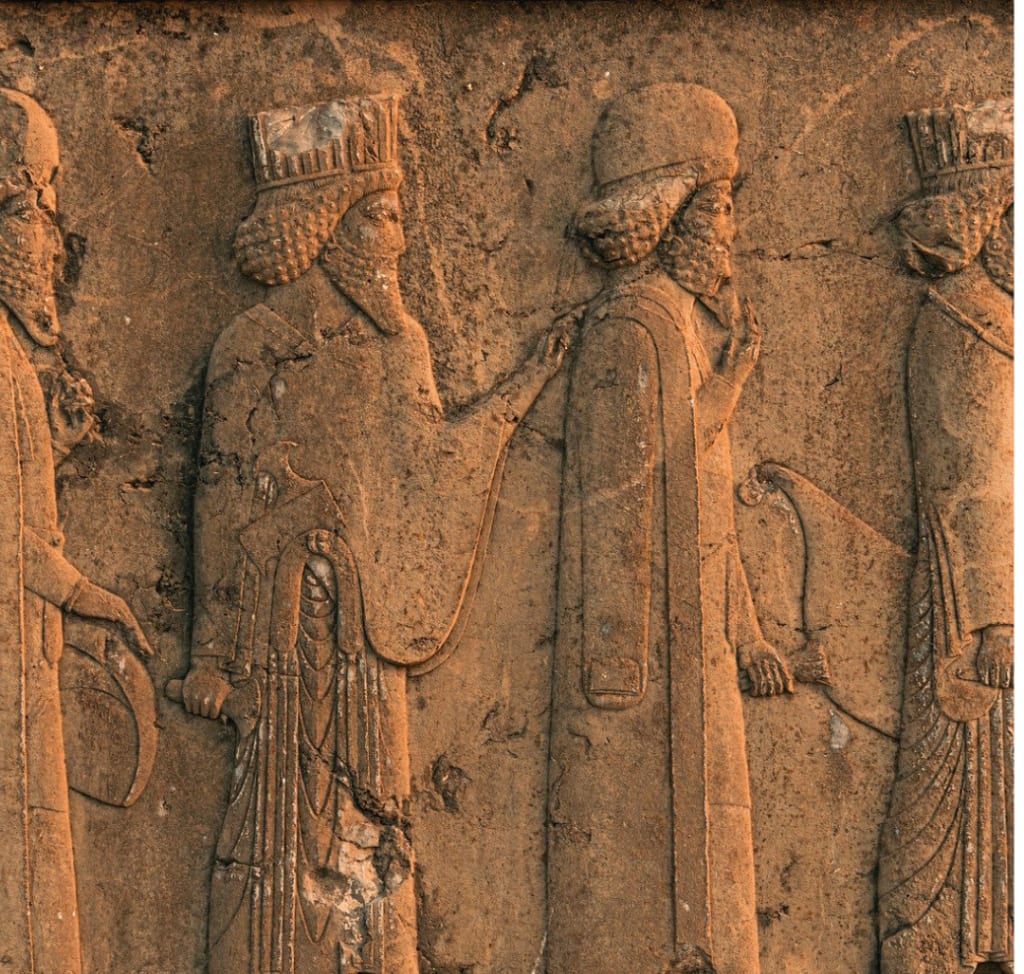
Hi there! Throughout the ages, history has been filled with empires that rose and fell, each leaving a unique imprint on our world. While some empires showcased sheer military might, others thrived through cultural or economic influence. Determining which were the "strongest" can be quite subjective, yet by looking at factors like land size, military power, governance, and lasting legacy, we can highlight five empires often regarded as the most formidable throughout history.
First up is the British Empire, which was incredibly significant in the late 1800s and early 1900s. At its height, it spanned almost a quarter of the globe, governing one in five people alive at that time. The real strength of the empire came from its massive navy, advanced industrialization, and its sophisticated administration of colonies scattered across Asia, Africa, the Americas, and Oceania.
The British Empire introduced English, common law, Western education, and parliamentary systems worldwide, but this expansion came at a tremendous cost to the colonized peoples, leading to exploitation and cultural loss. The long-lasting effects of the British Empire are still evident in contemporary global politics and economics.
Next, we have the Mongol Empire, which was initiated by Genghis Khan in the early 1200s. It became the largest land empire in history, stretching across vast regions. The Mongols were experts in cavalry tactics and had a well-organized military structure. They even developed an impressive communication system known as the Yam. Notably, they promoted leaders based on merit rather than connections.
While their conquests were often brutal, they also facilitated the spread of trade and culture across Eurasia. A period known as Pax Mongolica made travel along the Silk Road safer and enhanced trade and idea exchange between the East and West.
Then there's the Roman Empire, which flourished during the 1st and 2nd centuries AD under remarkable emperors like Trajan and Hadrian. The Romans excelled in governance, infrastructure, and military strength, boasting engineering achievements unmatched for centuries, such as roads and aqueducts.
Their legal system has influenced laws for generations, and their fierce army combined with a well-organized administration played a significant role in the spread of Christianity and the Latin language, which evolved into the Romance languages. Even though the empire fell in the 5th century AD, the legacy of Rome still resonates today.
Moving on, we can't overlook the Ottoman Empire, a prominent Islamic empire that lasted over 600 years, peaking in the 16th and 17th centuries under the rule of Suleiman the Magnificent. At its prime, it governed vast regions in Southeast Europe, Western Asia, and North Africa, strategically dominating the trade routes connecting Europe and Asia.
The Ottomans were known for their religious tolerance, allowing various communities to self-govern. They made considerable contributions to art, architecture, and preserved much knowledge through the ages.
Last but not least, the Spanish Empire deserves mention. Following Columbus's voyages in 1492, Spain rapidly developed a massive overseas presence across the Americas, Asia, and parts of Europe and Africa. By the 1500s, it had become one of the most powerful empires, largely due to the influx of silver and gold from the New World.
With a formidable navy and colonial ambitions, Spain spread its culture, language, and Catholicism widely. However, this expansion also brought suffering to indigenous populations as a result of conquest and disease.
Other empires also made significant impacts, like the Russian Empire and the Soviet Union for their vastness and influence, the long-standing Qing Dynasty of China, and the Umayyad and Abbasid Caliphates for their cultural and scientific contributions. And let’s not forget the Achaemenid Persian Empire, which laid the groundwork for future empires.
These five empires truly transformed the course of history through their conquests, cultures, and innovations. It's a complex story, featuring both remarkable advancements and instances of oppression in their legacies. However, to fully appreciate how our world developed into what it is today, we must acknowledge the profound impact these empires had.
About the Creator
Keep reading
More stories from Shahzaib ahmed khalil and writers in History and other communities.
The Dazzling Dance of Light on Water
**The Dazzling Dance of Light on Water: Science or Just Pure Magic?** Okay, let’s be real—if you’ve ever just stared at sunlight skipping across a pond or watched waves glitter like someone spilled a bag of diamonds, you know it’s pretty dang hypnotic. There’s something about that combo—light doing gymnastics on water—that just sucks you in. And yeah, there’s a whole lot going on beneath the surface (no pun intended), from straight-up physics to wild artistic inspiration. So, let’s pull back the curtain a bit, shall we? Spoiler: it’s not just magic, but honestly, science comes pretty close.
By Shahzaib ahmed khalil7 months ago in Earth
Historical Story
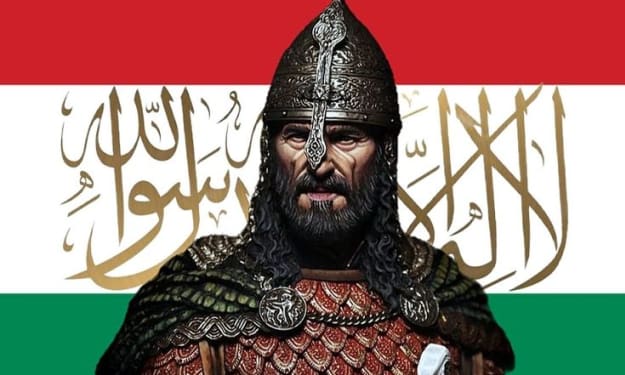
For many years, battles continued between Sultan Salahuddin Ayyubi and the Crusader warriors. Finally, after various military campaigns and confrontations, a battle took place that proved decisive in history—one that brought an end to the Christian Kingdom of Jerusalem in Palestine and sealed the fate of the Crusaders. This was the Battle of Hattin, which occurred on Saturday, 24 Rabi‘ al-Akhir 385 AH. In this battle, the Muslims achieved a decisive victory.
By Sudais Zakwan5 days ago in History
The Lost City of Dreams
The Lost City of Dreams Aisha, Max, and Leo had always been the kind of friends who thrived on adventure. Growing up in the bustling city of Mumbai, they'd explored every nook and cranny, from the crowded streets of Old Delhi to the serene beaches of Goa. But nothing could have prepared them for the discovery that would change their lives forever.
By Talhamuhammad2 days ago in History


Comments
There are no comments for this story
Be the first to respond and start the conversation.