
The Timeless Appeal of Leather Armor: Craftsmanship Meets History
Craftsmanship Meets History


Leather armor has a certain rugged charm that’s hard to ignore. From ancient battlefields to modern cosplay conventions, it’s been a staple for warriors, adventurers, and enthusiasts alike. But what is it about leather armor that keeps it relevant even today? Let’s dive into its history, craftsmanship, and why it’s still a go-to choice for so many.
A Brief History of Leather Armor
Leather armor dates back thousands of years. Long before metal plates clanged on medieval knights, early warriors turned to animal hides for protection. Think of the nomadic tribes of the Eurasian steppes or the skirmishers of ancient Greece—leather was lightweight, flexible, and readily available. It wasn’t as tough as steel, sure, but it could deflect a glancing blow or stop an arrow if treated right.
One of the most famous examples is the Roman lorica segmentata, which sometimes incorporated leather elements, though boiled leather cuirasses (called cuir bouilli) were more common in other cultures. Fast forward to the Middle Ages, and leather armor was still in use, especially among archers and light infantry who needed mobility over heavy defense. It’s a story of practicality meeting necessity—a material that’s been battle-tested through the ages.
The Craftsmanship Behind It
Making leather armor isn’t just slapping some cowhide together and calling it a day. It’s an art form. Traditional methods involve tanning the hide to make it durable, then cutting and shaping it to fit the wearer. Boiling leather—a technique where it’s soaked and hardened—creates rigid pieces like chest plates or vambraces. Softer, untreated leather might be layered or quilted for flexibility, perfect for bracers or greaves.
Today, artisans mix old-school techniques with modern tools. Dyes add vibrant colors, stitching reinforces weak points, and metal studs or rivets can give it that extra edge—both in style and function. Whether it’s a historical reenactor painstakingly recreating a 12th-century design or a fantasy fan crafting something straight out of a D&D campaign, the process demands skill and patience.
Why Leather Armor Still Rocks
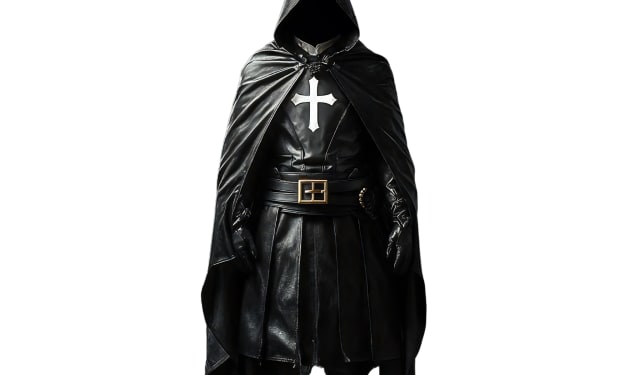
So why does leather armor still have a fanbase? For one, it’s versatile. It’s lighter than chainmail or plate armor, making it ideal for long treks or dynamic combat scenarios—real or staged. It’s also customizable; you can emboss it with patterns, dye it to match your persona, or leave it raw for that weathered, road-worn look.
Then there’s the aesthetic. Leather armor screams adventure. It’s got that gritty, hands-on vibe that synthetic materials just can’t replicate. Whether you’re channeling a Viking berserker, a rogue from a fantasy novel, or even a post-apocalyptic survivor, leather fits the bill. Plus, it’s surprisingly durable—treat it well, and it’ll last through years of wear.
Leather Armor Today
These days, leather armor isn’t just for fighting (unless you count LARP battles). It’s a favorite for cosplayers, reenactors, and even fashion designers looking to add an edge to their collections. Etsy shops and small-scale crafters are keeping the tradition alive, offering everything from full suits to standalone pieces like pauldrons or belts. And with the rise of DIY culture, more people are trying their hand at making their own—there’s something satisfying about wearing armor you stitched yourself.
Final Thoughts
Leather armor isn’t just a relic of the past; it’s a testament to human ingenuity and style. It bridges the gap between utility and expression, offering a tactile connection to history while still feeling fresh. So whether you’re suiting up for a Renaissance faire, gearing up for a tabletop campaign, or just daydreaming about your next big project, leather armor’s got your back—literally.
What do you think? Ever tried wearing or making leather armor yourself? Let me know—I’d love to hear your take!
About the Creator
Suzzane
Hello, I'm Suzzane! I'm passionate about leather products and the fascinating history of costumes across different cultures and nations. I explore the rich traditions and craftsmanship that have shaped iconic garments throughout history.
Nobel Peace Prize
The Nobel Peace Prize has stood as one of the world’s most recognized honors. Awarded annually in Oslo, it is meant to celebrate individuals or organizations that have made significant contributions toward peace, diplomacy, and humanitarian progress. While its mission appears straightforward, the Nobel Peace Prize has never been free from debate. In recent years, conversations surrounding global politics—particularly discussions about the Trump Nobel Peace Prize—have brought renewed attention to how peace is defined, measured, and rewarded in the modern era. The Origins and Meaning of the Nobel Peace Prize The Nobel Peace Prize was established by Alfred Nobel, the Swedish inventor best known for creating dynamite. In his final will, Nobel directed that a portion of his wealth be used to recognize efforts that foster peace among nations, reduce standing armies, or promote diplomacy and cooperation. Since its first award in 1901, the prize has honored activists, diplomats, organizations, and world leaders whose actions shaped international dialogue. Unlike other Nobel categories, the peace prize is awarded by a Norwegian committee rather than a Swedish institution. This distinction reflects Nobel’s desire to separate the prize from national interests and focus instead on global responsibility. Over time, the definition of “peace” has expanded. Early recipients were often disarmament advocates or mediators. More recent laureates have included human rights defenders, climate activists, and international organizations working in conflict zones. Politics and the Nobel Peace Prize Despite its humanitarian ideals, the Nobel Peace Prize has always intersected with politics. Recognizing peace efforts often means evaluating political leadership, international negotiations, and long-term consequences—none of which are easy to measure in real time. Some awards have been widely celebrated, while others sparked controversy. Critics often argue that certain laureates were honored prematurely, before the lasting results of their actions became clear. Supporters counter that the prize is meant to encourage peace efforts, not merely reward completed achievements. This tension has made the Nobel Peace Prize a reflection of global priorities at any given moment, rather than a simple historical judgment. Donald Trump and Nobel Peace Prize Discussions Few modern political figures have generated as much debate in connection with the Nobel Peace Prize as Donald Trump. During and after his presidency, conversations about a potential Trump Nobel Prize emerged repeatedly, particularly among supporters who pointed to his role in diplomatic initiatives. The phrase Trump Nobel Peace Prize gained traction following agreements and negotiations in regions long marked by conflict. Advocates argued that these diplomatic efforts aligned with Alfred Nobel’s vision of reducing international tension through dialogue rather than force. At the same time, critics questioned whether these actions met the broader ethical and humanitarian standards traditionally associated with the award. They pointed to domestic divisions, foreign policy controversies, and unresolved global conflicts as reasons for skepticism. This divide highlights a core challenge of the Nobel Peace Prize: peace is rarely absolute, and political leadership is often complex and contradictory. Trump Nobel Peace Prize 2026: Speculation and Context As global politics continue to evolve, speculation around a Trump Nobel Peace Prize 2026 has appeared in media discussions and public commentary. It is important to note that nominations for the Nobel Peace Prize are confidential for decades, and speculation does not confirm consideration or selection. However, the mere discussion of Trump Nobel Peace Prize 2026 reflects how the award has become part of broader cultural and political conversations. Supporters view such recognition as validation of diplomatic achievements, while critics see the speculation as politicizing an institution meant to rise above partisan debate. This dynamic is not unique to Trump. Many past leaders, from various ideological backgrounds, were debated heavily before or after receiving the prize. The Nobel Peace Prize often mirrors global disagreements rather than resolving them. How the Nobel Committee Makes Its Decision Each year, hundreds of nominations are submitted by qualified individuals, including academics, lawmakers, and previous laureates. The Nobel Committee evaluates these nominations through research, expert consultation, and internal debate. The process considers intent, impact, and long-term significance. However, because peace efforts often unfold over years or decades, the committee must make decisions without full historical clarity. This reality explains why some awards age gracefully while others remain controversial. The committee rarely responds directly to public pressure or online campaigns. Media attention, including discussions around a Trump Nobel, does not guarantee influence over the final decision. The Broader Impact of the Nobel Peace Prize Beyond individual recipients, the Nobel Peace Prize plays a symbolic role. It brings global attention to issues that might otherwise be ignored, from humanitarian crises to fragile peace processes. Even controversial nominations can spark meaningful debate about what peace truly means in the modern world. The prize also raises questions about accountability. When leaders are considered for such recognition, the public is encouraged to examine policies, outcomes, and moral responsibility more closely. In this sense, discussions surrounding the Trump Nobel Peace Prize are not just about one individual. They reflect deeper conversations about diplomacy, leadership, and the evolving standards by which peace is judged. Conclusion: A Prize That Reflects the World The Nobel Peace Prize remains one of the most influential and debated honors in global society. Its power lies not only in recognizing peace efforts but also in challenging the world to think critically about conflict, cooperation, and responsibility. Whether discussions involve historic activists or modern political figures like those associated with Trump Nobel Peace Prize 2026 speculation, the award continues to reflect the complexities of international relations. Peace is rarely simple, and neither is the process of honoring it. Ultimately, the Nobel Peace Prize serves as a reminder that striving for peace is an ongoing journey—one shaped by ideals, actions, and the difficult choices that define human history.
By Saboor Brohi 7 days ago in History
The History of America — A Nation Forged by Struggle and Change
Long before the name “America” existed, the vast lands of North America were home to millions of Indigenous peoples. These societies—such as the Navajo, Iroquois, Cherokee, Apache, and many others—developed rich cultures, languages, and systems of governance. They farmed, hunted, traded, and built complex communities deeply connected to the land. For thousands of years, these civilizations thrived, long before European ships ever crossed the Atlantic.
By The best writer 6 days ago in History


Comments
There are no comments for this story
Be the first to respond and start the conversation.