
The Story Of Beit Safafa
The Ancient Israeli Village

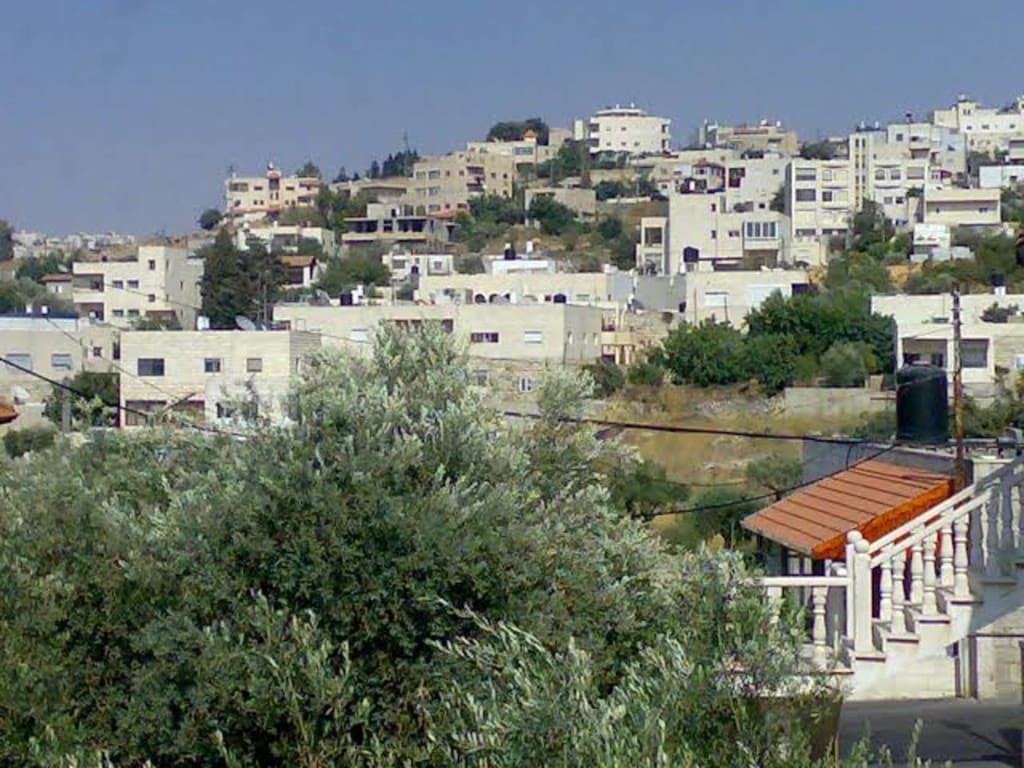
Beit Safafa's narrative transcends mere geography; it's a saga of endurance, adaptation, and cultural fusion. Situated on Jerusalem's southern periphery, this village bears witness to centuries of history, each epoch etching its mark on the land and its inhabitants.
Origins and Heritage
The roots of Beit Safafa stretch back to the Crusader era, known then as Bethafava or Bethsaphace. These ancient names hint at its strategic importance and cultural depth even in antiquity. Vestiges like ancient wine presses and artifacts dating to the Iron Age offer tangible links to a past that laid Beit Safafa's groundwork.
Ottoman Legacy and Progress
Transitioning through time, Beit Safafa fell under Ottoman rule in the 16th century, marking a period of growth and diversification. Ottoman architecture and customs still resonate, showcasing the enduring impact of that era on the village's character and lifestyle.
Challenges and Adaptation
The 20th century ushered in modern challenges and opportunities, testing Beit Safafa's resilience. Geopolitical shifts and modernization brought change, yet the village adapted while preserving its cultural pride.
Cultural Harmony and Identity
Beit Safafa's charm lies in its diverse, united community. It has evolved into a cultural mosaic, embracing people of varied backgrounds and faiths. This fusion is evident in daily life, from language diversity to culinary delights.
Thriving Present and Future Prospects
Today, Beit Safafa thrives as a dynamic community with a promising future. Its resilience against historical and contemporary challenges showcases the people's strength. Efforts to conserve heritage, encourage dialogue, and foster collaboration ensure Beit Safafa's enduring legacy.
Beit Safafa holds significant importance on multiple levels, making it a notable cultural and historical gem in the region
Historical Significance
Beit Safafa's history dates back centuries, with traces of ancient civilizations such as Crusaders and Ottomans evident in its architecture, artifacts, and cultural practices. This historical depth adds to its value as a site of archaeological and historical interest.
Cultural Diversity
The village's ability to embrace and integrate diverse cultures, languages, and traditions makes it a symbol of cultural harmony and coexistence. This multicultural aspect contributes to its richness and relevance in a global context.
Geopolitical Context
Situated near Jerusalem, Beit Safafa's location has geopolitical significance, being part of discussions and negotiations related to regional dynamics, peace initiatives, and cultural diplomacy efforts
Community Resilience
Overcoming historical challenges and adapting to modern changes while preserving its heritage demonstrates the resilience and strength of Beit Safafa's community. This resilience adds to its importance as a model for sustainable cultural preservation and development.
Tourism and Education
Beit Safafa's historical sites, cultural diversity, and unique identity attract tourists, researchers, and educators interested in exploring its heritage, contributing to local economy and cultural exchange.
Geopolitical Location
Situated near Jerusalem, Beit Safafa's location has strategic importance in terms of border security, urban planning, and regional development. It may be subject to governmental policies and regulations regarding these aspects.
Cultural Heritage Protection
Government entities are often involved in initiatives to preserve and protect Beit Safafa's cultural heritage, including historical sites, artifacts, and traditions. This may involve funding for restoration projects, heritage conservation programs, and regulatory measures to safeguard cultural assets.
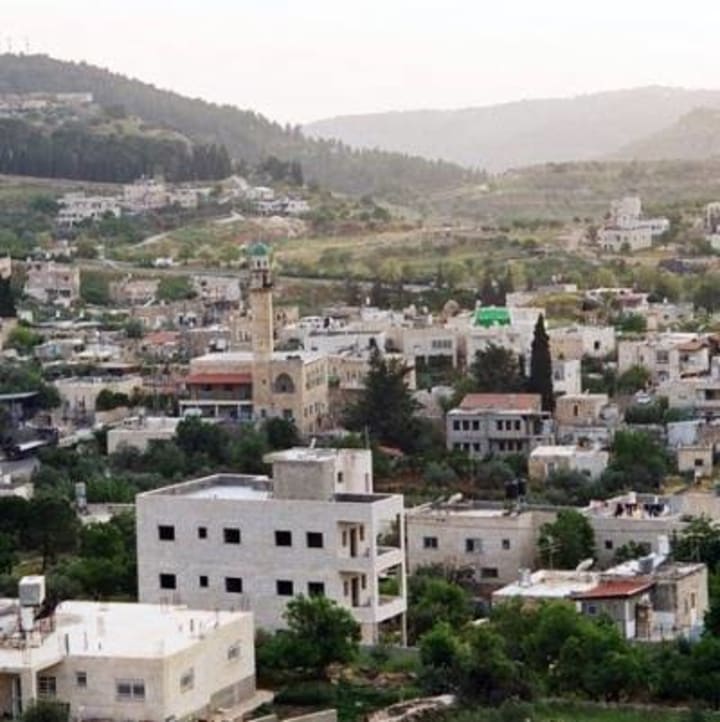
Infrastructure and Services
Governmets play a role in providing essential infrastructure and services to Beit Safafa, such as transportation networks, utilities, healthcare facilities, education institutions, and public amenities. Investments in these areas contribute to the village's development and quality of life for residents.
Governmental support through economic incentives, business regulations, and investment opportunities can stimulate economic growth in Beit Safafa. This includes initiatives to promote tourism, attract investments, and support local businesses and industries.
Community Empowerment
Government agencies may collaborate with local communities in Beit Safafa on empowerment programs, social services, cultural initiatives, and civic engagement activities. These efforts strengthen community resilience, cohesion, and participation in governance processes.
Peace and Diplomacy
Beit Safafa's cultural diversity and historical context, governments may engage in diplomatic efforts, peace-building initiatives, and interfaith dialogues involving the village. This contributes to regional stability, mutual understanding, and cultural diplomacy.
Symbol Of Unity
As a place where people from different backgrounds live harmoniously, Beit Safafa serves as a symbol of unity, tolerance, and peaceful coexistence, showcasing the possibilities of cultural integration and mutual respect.
Beit Safafa's importance stems from its rich history, cultural diversity, geopolitical context, community resilience, tourism potential, and role as a symbol of unity and cultural harmony.
About the Creator
Keep reading
More stories from Nicholas Kemboi and writers in History and other communities.
Google's Greatest Revolution Of All Times
Google Is Preparing To Revolutionize Smartphone Connectivity with Satellite Integration In the ever-evolving landscape of smartphone technology, Google is poised to make a groundbreaking stride with its Pixel lineup by integrating satellite communication capabilities. This strategic move not only aligns with industry trends but also signifies a significant shift in how smartphones connect and communicate, potentially reshaping the entire Android ecosystem.This stirs up a great yearn just to see such a great world of connectedness.
By Nicholas Kemboi2 years ago in Humans
The Lost Treasure of Ashoka: Myth, History, and Mystery
Ashoka’s Immense Wealth and Power At the height of Ashoka’s reign, the Mauryan Empire was the largest political entity ever seen in the Indian subcontinent. It stretched from present-day Afghanistan to Bengal, and from the Himalayas to central India. Such an empire required enormous financial resources.
By Say the truth 7 days ago in History
Living in a hemp house
Hemp, a multi-purpose crop that delivers fibres, shivs, seeds, and pharmaceuticals is currently used in insulation materials and bio-composites for a more sustainable construction industry. Russ Martin and his wife Karon Korp tell their story as owners of the first hemp house in the U.S.
By Susan Fourtané 7 days ago in Interview




Comments
There are no comments for this story
Be the first to respond and start the conversation.