
The Southern Battlefield That Helped Forge a Nation
Where Ordinary Men Changed the Course of the American Revolution

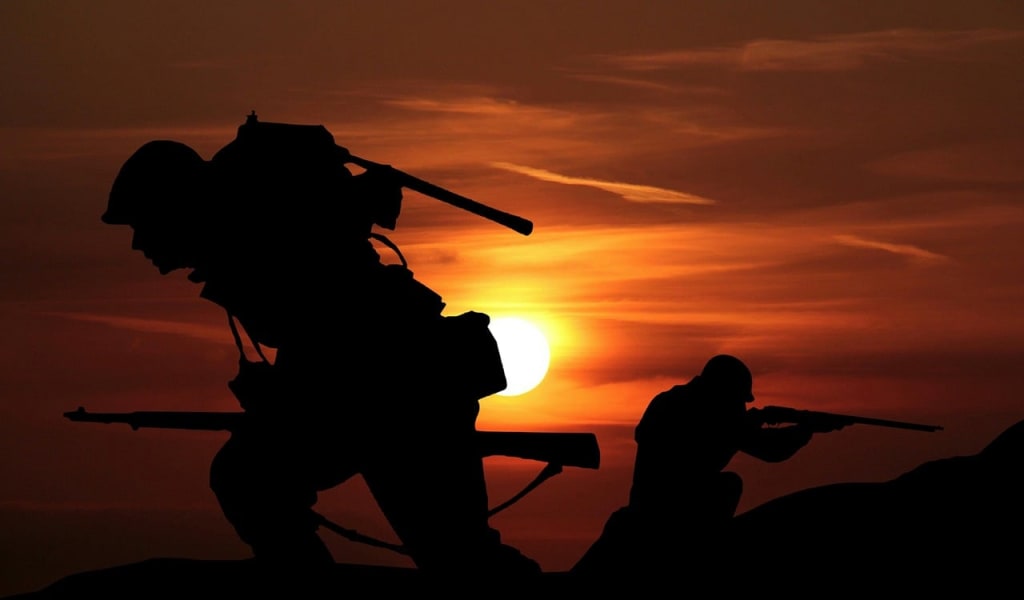
In the humid mist of a South Carolina dawn in October 1780, a band of ragtag militia fighters crouched low behind trees, muskets loaded and nerves high. They weren’t formally trained soldiers—just farmers, blacksmiths, and frontiersmen—but they had a cause. As British Major Patrick Ferguson stood atop King’s Mountain, unaware of the net closing in, a pivotal chapter in the American Revolution was about to be written.
The Battle of King’s Mountain, fought on the border of the Carolinas, is often overlooked in American history, yet it was a decisive turning point. Today, the forested ridgeline where Patriot militiamen overran Loyalist troops is protected as Kings Mountain National Military Park, a tranquil yet haunting place where history still echoes through the trees.
A Backcountry Rebellion That Changed the Tide
“This wasn’t a battle between British and American regulars,” said historian Deborah Hughes, who leads walking tours of the park. “This was neighbor against neighbor. Loyalist versus Patriot. It was a civil war in miniature.”
Following British victories in Charleston and Camden, Major Ferguson threatened to march through the Appalachian frontier and hang any rebels who didn’t submit to the Crown. His threats backfired. Infuriated, a group of mountain men from Virginia, North Carolina, and Tennessee—known as the Overmountain Men—gathered and marched hundreds of miles over rough terrain to confront Ferguson.
On October 7, 1780, they struck. In less than an hour, the Loyalist line collapsed, Ferguson was killed, and over 1,000 of his men were captured. The morale boost for the American cause was immense.
“King’s Mountain gave the Patriots a psychological victory at a time when they desperately needed it,” Hughes said. “It proved that the backcountry was a force to be reckoned with.”
Walking Through History
Today, Kings Mountain National Military Park invites visitors to trace the footsteps of those militiamen along a 1.5-mile battlefield loop. Interpretive signs and granite markers tell the story, while dense forests preserve the landscape much as it looked in 1780.
The park’s museum and visitor center feature exhibits on the backcountry’s role in the Revolution, 18th-century weaponry, and a scale model of the battle. Rangers often hold reenactments and live demonstrations, where musket fire cracks and campfire stories bring the period to life.
Nearby, Kings Mountain State Park offers rustic cabins, scenic fishing lakes, and over 20 miles of trails—perfect for travelers wanting to blend history with outdoor adventure.
Small-Town South, Revolutionary Spirit
The town of York, South Carolina, just 20 minutes away, has preserved its 18th- and 19th-century charm. Cobblestone sidewalks, Federal-style homes, and Revolutionary-era cemeteries dot the town. Stop in at the McCelvey Center, a regional heritage museum, to view Revolutionary war documents, uniforms, and a rare 1777 map of the Carolinas.
In the historic downtown, The Hoof & Barrel, a whiskey bar and bistro, serves Carolina trout and slow-roasted pork shoulder, often accompanied by local folk music. Owner Melanie Carter said, “We wanted to create a space where you could literally taste the history—Southern dishes with Revolutionary roots.”
Retracing the Overmountain Trail
For more immersive history, drive an hour north to Sycamore Shoals State Historic Park in Elizabethton, Tennessee. This is where the Overmountain Men began their march in 1780. Each September, the park hosts a multi-day reenactment of the muster, complete with camps, tents, and actors in homespun clothes marching off into the woods.
“The Overmountain Victory Trail isn’t just a trail,” said park ranger Mike Butner. “It’s a living link to how people once came together to defend something they believed in.”
Nature, Memory, and Legacy
Fall is an especially poignant time to visit the region. Leaves blaze in reds and golds, and the cooler air carries the scent of hickory and pine. Birdsong mingles with the crunch of leaves underfoot, and it’s easy to imagine the rustle of buckskin coats and whispered war plans among the trees.
“This land is still sacred to many,” said Hughes. “It reminds us that history didn’t just happen in big cities. It happened here, on ridges and rivers, with everyday people making extraordinary choices.”
About the Creator
Mythic_Questor
🔮 Journeying through realms unknown ✨
🗡️ Slaying beasts, chasing legends, and writing my own saga.
📖 Welcome to a world where magic is real and adventure never ends.
Keep reading
More stories from writers in History and other communities.
Why Are Vestments for Priests Essential in Modern Worship?
Modern worship continues to grow and change with time, yet one sacred element remains deeply important: vestments for priests. These garments are not just part of tradition; they help preserve reverence, identity, and spiritual focus in church services. Even today, catholic attire plays a vital role in shaping the worship experience. Priest vestments connect believers to faith, history, and sacred responsibility. This article explains why priest vestments are still essential in modern worship and how they strengthen spiritual meaning.
By Sameera eclergys5 days ago in History
When Truth Learned to Whisper
When Truth Learned to Whisper In the small town of Mirzaabad, people spoke freely, too freely. Gossip was like air—unseen yet everywhere. The truth, bold and loud, once roamed these streets without fear, leaving nothing hidden. But over time, the people grew weary of its harshness. Truth was blunt; it hurt, it shattered, it embarrassed. So one day, it vanished. Not entirely, but it learned to whisper.
By Samaan Ahmad7 days ago in History




Comments
There are no comments for this story
Be the first to respond and start the conversation.