
The Exciting Journey of Pahela Baishakh: From the Mughal Period to Independent Bangladesh
tracing Bengal's vibrant New Year celebration through centuries of culture and history
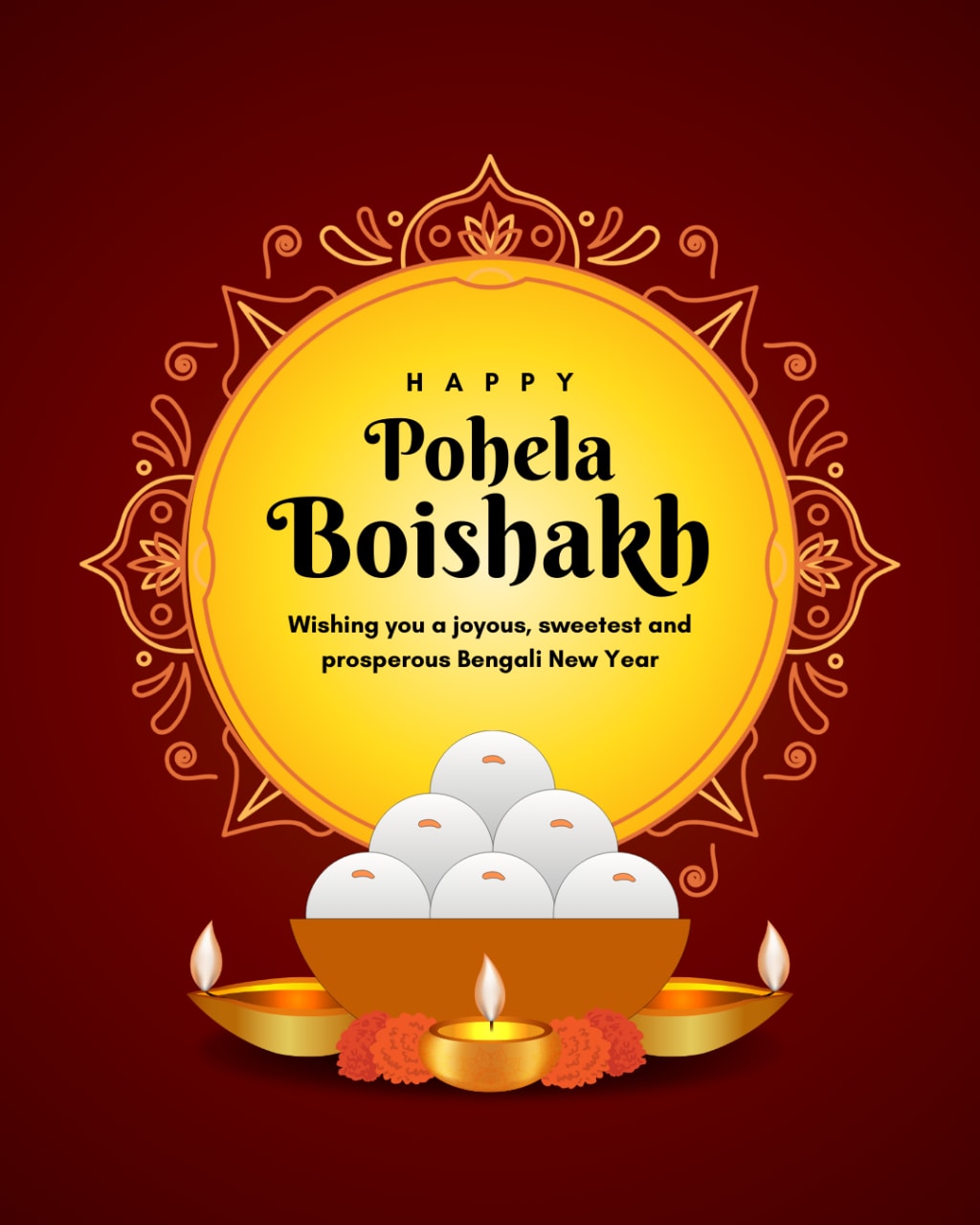
The first day of the Bengali calendar, also known as Pahela Baishakh or Poyla Baishakh, is also known as the Bengali New Year. The day is the traditional day of the New Year for all Bengalis. In Bangladesh and West Bengal, India, the day is celebrated the same way as the New Year. Tripura's Bengalis also take part in this festival. In Bangladesh, Pahela Baishakh is celebrated as a national holiday. As such, it is considered a universal folk festival of Bengalis. The celebration of Pahela Baishakh began with the Muslim Mahifaras community of Old Dhaka.
This festival is celebrated through various activities such as processions, fairs, eating Panta Bhat, the opening of halkhata, etc. "Shubh Nababarsho" is the Bengali New Year's greeting of choice. In Bangladesh, Mangal Shobhajatra is held during the New Year. This festival procession, which was put on by Dhaka University, was named an "Intangible Cultural Heritage of Humanity" by UNESCO in 2016.
Theory of origin from the Mughals:
The Mughal emperors used to collect agricultural taxes by the Hijri calendar after they established their empire in India. However, the Hijri year did not correspond to agricultural yields because it was lunar-dependent. This forced farmers to pay taxes at untimely times. The Bengali year was introduced by Mughal emperor Akbar to ensure fair tax collection. He ordered reforms in the ancient calendar. The royal astronomer Fatehullah Siraji created the rules for the new Bengali year based on the solar year and the Arabic Hijri year on the emperor's orders. The Bengali year began to be calculated on March 10, 1556 AD or 992 AH. However, this calculation method was implemented from Akbar's accession to the throne (November 5, 1556). At first, this year was called the harvest year, later known as "Bangabda" or Bengali year.
Modern history:
In 1917, the modern New Year's Eve celebration was first mentioned. Hom kirtan and puja were arranged on the first day of Baishakh that year to wish for the victory of the British in the First World War. Then, in 1938, similar activities were mentioned.
Bangladesh:
The New Year festival is closely linked to the culture and traditions of the rural community. In the villages, people wake up early, wear new clothes, and visit the homes of relatives and friends. The houses are well-maintained and decorated. Special food is also served. In some villages, Baisakhi fairs are organized in open fields. Various cottage industry products are sold at the fair, and various pitha pulis are arranged. There is a way to eat panta rice and hilsa fish in many places. An old culture of this day is organizing rural sports competitions. Among these, boat racing, stick playing, or wrestling were once popular. Jabbar's Sacrifice Game, the largest of these wrestling competitions in Bangladesh, takes place on the 12th of Baishakh at Laldighi Maidan in Chittagong.
Kolkata:
Kolkata, India's cultural capital, continues to play a significant role in the Pahela Baishakh celebration. On the occasion of the beginning of the new year, morning processions are organized by various organizations in the alleys of different neighborhoods of the city. The city's most popular stores offer special discounts on purchases during the Chaitra month of the previous year, which is also known as the "Chaitra Sale." Therefore, to take advantage of this discount during Poyala Baishakh, all Kolkata residents, regardless of their financial situation, purchase new clothing for a month. A sizable crowd gathers at Kolkata's renowned Kalighat temple on Poyala Baishakh. There, various businessmen take a bath in the Ganges from dawn, chant mantras, offer prayers to the goddess, and wait for the beginning of Halkhata. In addition to businesspeople, numerous householders travel to Kalighat to seek the goddess's blessings for their families' well-being. Thanthania's Dakshineswar Lake Kali Temple is crowded with devotees. Devotees can be seen thronging other Kali temples in Kolkata on this day. Bengalis typically celebrate this day by donning a brand-new saree and Punjabi dhoti.
Pahela Baishakh in other countries:
Apart from Bangladesh and India, Pahela Boishakh is celebrated in many other countries around the world. Pahela Boishakh is mainly celebrated by expatriate Bengalis in those countries.
Along with other organizations, the Bangladesh Heritage and Ethnic Society of Alberta in Canada holds a colorful heritage festival called Bangladesh Nababarsho. Bengalis in Calgary mark the occasion with Bengali customs, attire, and food. The Bangabandhu Council of Australia also organizes a Pahela Boishakh event at Sydney Olympic Park.
About the Creator
Through the Quiet
Between the noise and the silence, there’s a space where growth happens. I write from that space—where reflection, resilience, and real stories meet.
Keep reading
More stories from Through the Quiet and writers in History and other communities.
Discover Your True Worth
One day, a young monk approached a Zen master and asked, ''what is the greatest value in my life? The Zen master replied, ''go to the back garden, pick up a large stone and take it to the market to sell. If someone asks for the price, don't speak, just show two fingers. If they bargin with you, don't sell it. Bring it back and i will tell you the greatest value in your life.
By Through the Quiet9 months ago in Motivation
Abandoned: The All American Ruins Podcast
There are some podcasts that define genre classification and would never be considered by large podcast networks, worried about recouping their investment in the show. Abandoned: All-American Ruins is one of those podcasts.
By Frank Racioppi7 days ago in History
South Asia on Edge: Why Small Crises Carry Big Global Risks
South Asia on Edge: Why Small Crises Carry Big Global Risks South Asia is one of the most sensitive regions in the world today. It is home to a very large population and includes countries with strong militaries and nuclear weapons. Because of this, even small problems can turn into serious crises very quickly. Tensions, mistrust, and long history make the region fragile, and the whole world watches closely when situations become tense.
By Wings of Time 2 days ago in History
Not Just For Clean Up: A History Of The MCU's Department of Damage Control
Initially an organisation that seemed to exist to help the heroes of the Marvel Cinematic Universe, from Phase Four onwards, the Department of Damage Control has shifted into a more antagonistic role. Most recently seen in the Wonder Man series, the current incarnation of Damage Control seems to target superpowered individuals, regardless of whether that person poses an active or intentional threat.
By Kristy Anderson3 days ago in Geeks



Comments
There are no comments for this story
Be the first to respond and start the conversation.