
Prophet Muhammed Mustafa's Biography
The Beloved Messanger of Allah

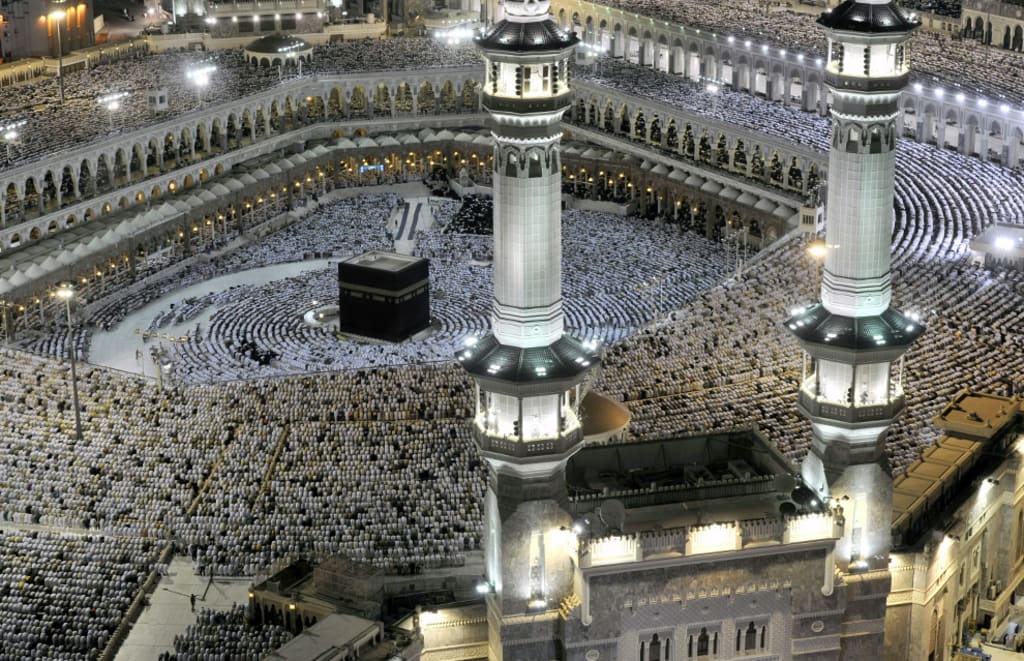
Mohammed Mustafa, also known as Prophet Muhammad, was born in Mecca, Saudi Arabia, in the year 570 CE. He was the founder of Islam and is considered the final prophet in the Islamic faith. His life and teachings have had a profound impact on billions of people around the world.
Prophet Muhammad was born into the Quraysh tribe, one of the prominent tribes in Mecca at the time. His father, Abdullah, passed away before his birth, and his mother, Amina, died when he was only six years old. As an orphan, he was raised by his grandfather and later by his uncle, Abu Talib.
During his youth, Muhammad gained a reputation for his honesty, integrity, and wisdom, earning the title "Al-Amin," meaning "the trustworthy." He was known for his contemplative nature and spent time meditating in the caves surrounding Mecca. At the age of 25, Muhammad married a wealthy widow named Khadijah, who would become his loyal supporter and the first convert to Islam.
At the age of 40, Muhammad received his first revelation from Allah (God) through the angel Gabriel while meditating in the cave of Hira. This marked the beginning of his prophethood and the start of the Islamic faith. Initially, Muhammad shared his revelations privately with his close family and friends, gradually spreading the message of monotheism and the teachings of Islam.
As the message of Islam gained followers, Muhammad faced resistance and opposition from the polytheistic society of Mecca. The wealthy and powerful elites, who profited from the pilgrimage trade centered around the Kaaba, felt threatened by Muhammad's message of social equality and the oneness of God. Despite the challenges, Muhammad continued to preach and persevere, attracting a growing number of followers.
In 622 CE, facing increasing persecution and threats to his life, Prophet Muhammad and his followers migrated to the city of Medina. This event, known as the Hijra, marked the beginning of the Islamic calendar and the establishment of the first Muslim community. In Medina, Muhammad became a political and spiritual leader, unifying various tribes and establishing a legal framework based on Islamic principles.
Over the next decade, Prophet Muhammad faced military conflicts with the Meccan Quraysh and other tribes who sought to suppress the growing influence of Islam. Despite being outnumbered and outmatched in many battles, Muhammad's leadership and strategic skills led to several victories, including the famous Battle of Badr. Through diplomacy and military prowess, Muhammad was able to establish peace treaties and alliances, securing the position of Islam in the Arabian Peninsula.
In 630 CE, Prophet Muhammad and his followers marched triumphantly into Mecca, reclaiming the holy city without bloodshed. He showed mercy and forgiveness to the people of Mecca, offering amnesty to those who had opposed him. The Kaaba, a sacred site for pilgrimage, was cleansed of idols, and its exclusive worship was dedicated to Allah.
During the final years of his life, Prophet Muhammad focused on consolidating the Islamic state and spreading the message of Islam beyond the Arabian Peninsula. He sent letters to various leaders, inviting them to embrace Islam or establish peaceful treaties. Muhammad also embarked on his final pilgrimage, known as the Farewell Pilgrimage, during which he delivered a historic sermon emphasizing the importance of unity, justice, and the rights of women.
Prophet Muhammad passed away on June 8, 632 CE, in Medina, at the age of 63. His death was a moment of great sorrow for his followers, but his teachings and legacy continued to shape the Muslim community. After his passing, the Quran, the holy book of Islam containing the revelations he received, was compiled and preserved.
The life of Prophet Muhammad serves as an example for Muslims around the world. His teachings emphasize compassion, humility, justice, and the pursuit of knowledge. He laid the foundation for a society based on social justice, where all individuals are equal before God. The Islamic faith spread rapidly after his death, reaching vast regions and establishing a rich cultural and intellectual heritage.
Prophet Muhammad's influence extends far beyond religious matters. His leadership, moral values, and contributions to governance, education, and social welfare continue to inspire individuals and societies globally. Today, billions of Muslims regard him as the final and greatest prophet, and his teachings remain a guiding light for those seeking spiritual fulfillment and moral guidance.
About the Creator
Keep reading
More stories from abdul aleem and writers in History and other communities.
Miriam Margolyes is a British-Australian actress Biography
Miriam Margolyes is a British-Australian actress and voice artist known for her versatile performances in film, television, and theater. Born on May 18, 1941, in Oxford, England, Margolyes developed a passion for acting at a young age and went on to become one of the most respected and recognized actors of her generation.
By abdul aleem3 years ago in History
Frozen Ground
Silence meant the guns were cooling. It meant men were waiting. It meant something was about to break. We were dug in along a frozen stretch of road near the Imjin River, the kind of place that didn’t look important until history decided otherwise. The cold wasn’t just uncomfortable—it was personal. It crept into your boots, your bones, your thoughts. At night, I dreamed of heat: radiators, kitchens, the smell of coffee. I woke up with frost on my helmet.
By Gaofeng Wang4 days ago in History
Center Stage with Paul Stewart
*** I'm keen to republish the interviews I did for my series with Vocal creators. It's been a few years and I thought it might be nice to revisit these wonderful conversations. I'll be releasing them one at a time for a few weeks/months.
By Heather Hublerabout 5 hours ago in Interview



Comments
There are no comments for this story
Be the first to respond and start the conversation.