


Natarajar Temple in chidambaram city
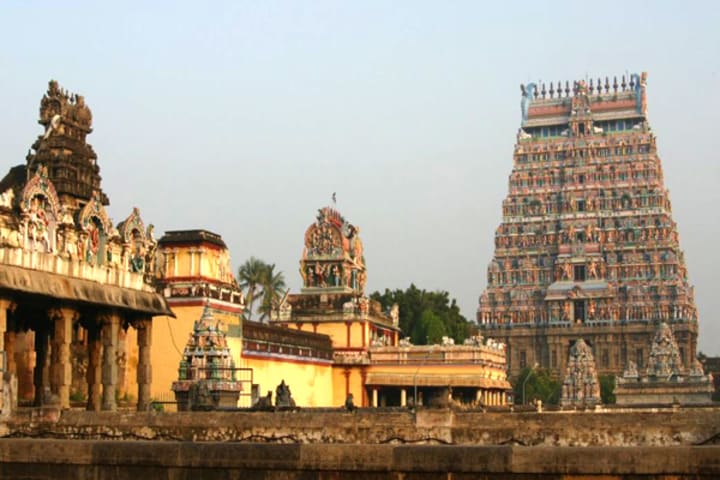
Chidambaram Nataraja Temple, also known as Thillai Nataraja Temple, is a renowned Hindu temple dedicated to Lord Shiva located in the town of Chidambaram in the Cuddalore district of Tamil Nadu, India. The temple is considered one of the most ancient and holiest temples in Southern India and holds immense cultural, religious, and historical significance.
- Historical Significance:
Chidambaram Nataraja Temple has a rich history that dates back more than a thousand years. The temple finds mention in various ancient scriptures, including the Thevaram and Thiruvilayadal Puranam. It is believed that the original temple was constructed by the Chola dynasty during the 9th century, while subsequent renovations and expansions were carried out by various rulers, including the Pallavas, Pandyas, and Vijayanagara kings.
- Architectural Marvel:
The temple's architecture is a remarkable blend of Dravidian and Chola styles. It covers an area of about 40 acres and consists of several grand structures, intricately carved pillars, and majestic towers (gopurams). The main sanctum, known as the Chit Sabha, is dedicated to Lord Nataraja, the cosmic dancer form of Lord Shiva. The deity is depicted with four arms in a graceful dancing posture within a golden hall.
- Thillai Ambalam:
One of the unique features of the Chidambaram Nataraja Temple is the presence of the Thillai Ambalam, the sanctum of the Goddess Shakti, who is worshipped here in her form as Shivakami Amman. The Thillai Ambalam represents the primordial energy of Lord Shiva and is an essential part of the temple complex.
- Akasha Lingam:
Another distinctive aspect of the temple is the presence of the Akasha Lingam, a symbolic representation of Lord Shiva as the formless and omnipresent cosmic energy. The Akasha Lingam is enshrined in the Chidambara Rahasya sanctum, covered by a curtain of golden leaves. Devotees can worship the Akasha Lingam by visualizing its presence and meditating on its spiritual significance.
- Annual Festivals:
Chidambaram Nataraja Temple is renowned for its vibrant festivals, which attract devotees from all over the world. The most significant festival is the Natyanjali Dance Festival, which takes place annually during the Tamil month of Masi (February-March). During this festival, renowned classical dancers pay homage to Lord Nataraja through mesmerizing dance performances.
- Pancha Bhoota Stalam:
Chidambaram Nataraja Temple is one of the Pancha Bhoota Stalams, representing the five elements of nature. The temple is associated with the element of space (Akasha), signifying Lord Shiva's all-pervading nature. The other Pancha Bhoota Stalams are Thiruvanaikaval (water), Ekambareswarar Temple in Kanchipuram (earth), Thiruvannamalai Arunachaleswarar Temple (fire), and Kalahasti Temple (wind).
- Rituals and Worship:
The temple follows an elaborate set of rituals and customs. The priests perform daily poojas (religious rituals) and arati (light offering) to Lord Nataraja and Goddess Shivakami Amman. Devotees can participate in various rituals, including Abhishekam (ritual bathing of the deity), Archana (offering prayers with flowers), and Deepa Aradhana (waving of lamps).
- Temple Administration:
The administration of the Chidambaram Nataraja Temple is under the authority of the Hindu Religious and Charitable Endowments Department of the Government of Tamil Nadu. The temple is well-maintained and attracts a large number of devotees, scholars, and tourists throughout the year.
- Spiritual Significance:
Chidambaram Nataraja Temple holds immense spiritual significance for devotees of Lord Shiva. It is believed that by visiting and worshiping at this sacred temple, one can attain moksha (liberation) and experience the divine presence of Lord Nataraja.
- Cultural Heritage:
The temple not only serves as a place of worship but also acts as a center for preserving and promoting Indian culture and heritage. The intricate sculptures, vibrant paintings, and ancient scriptures housed within the temple complex are a testament to the rich artistic and cultural traditions of Tamil Nadu.
Chidambaram Nataraja Temple stands as a testimony to the timeless devotion and architectural brilliance of ancient India. It continues to be a revered pilgrimage site and a hub of spiritual and cultural activities, enchanting visitors with its divine aura and captivating beauty.
- Legends and Mythology:
According to mythology, Chidambaram is believed to be the place where Lord Shiva performed his cosmic dance, known as the Tandava. It is said that the divine dance took place in the presence of sages and celestial beings in the Thillai forest, which is now the location of the temple.
- Golden Roof and Thousand Pillared Hall:
The temple's main sanctum, the Chit Sabha, is adorned with a golden roof, representing the celestial abode of Lord Shiva. The Thousand Pillared Hall, known as the Nritta Sabha, is a magnificent structure within the temple complex. It is adorned with intricate carvings and houses numerous stone pillars.
- Chidambara Rahasya:
The Chidambara Rahasya is an intriguing aspect of the temple. Within the sanctum sanctorum, there is a curtain with golden leaves known as the "Karana Petti." It is believed that behind this curtain, Lord Shiva's formless presence, the Akasha Lingam, can be experienced by sincere devotees.
- Architecture and Sculptures:
The temple showcases exquisite stone carvings and sculptures, depicting various mythological stories and deities. The intricate workmanship and attention to detail are evident in every aspect of the temple's architecture, including the gopurams (tower entrances), mandapams (halls), and vimanas (tower structures).
- Temple Tanks:
Chidambaram Nataraja Temple has several sacred temple tanks, known as "Theerthams," where devotees take ritualistic baths before entering the temple premises. The most famous tank is the Sivaganga Tank, located on the eastern side of the temple. It is believed to have holy waters with curative properties.
- Musical Pillars:
The temple boasts a unique feature known as the "Saptha Swarangal," or the musical pillars. When tapped gently, these pillars produce musical sounds of the seven notes of the Carnatic music scale. The phenomenon is attributed to the remarkable architectural acoustics of the temple.
- Ananda Tandava:
The Ananda Tandava shrine within the temple complex is dedicated to Lord Nataraja's ecstatic dance. The image of Lord Nataraja in this shrine is depicted with a serene expression, reflecting the state of bliss and transcendence.
- Sculptural Dance Postures:
The temple's sculptures depict various dance postures and mudras (hand gestures) associated with Bharatanatyam, a classical dance form originating from Tamil Nadu. These sculptures serve as a visual representation of the connection between dance, spirituality, and divine expression.
- Temple Town and Festivals:
Chidambaram is a vibrant temple town that thrives on its connection to the Nataraja Temple. The town comes alive during major festivals, including the annual Brahmotsavam and Arudra Darshan, attracting large crowds of devotees who participate in the grand processions and rituals.
- Spiritual Significance for Artists:
Chidambaram Nataraja Temple holds a special place in the hearts of artists, musicians, and dancers. It is believed that paying homage to Lord Nataraja in this sacred abode can inspire creativity, artistic expression, and a deeper connection to the divine.
The Chidambaram Nataraja Temple stands as a beacon of spirituality, artistry, and cultural heritage. It continues to captivate visitors with its magnificent architecture, intriguing rituals, and profound spiritual atmosphere, inviting all to experience the divine presence of Lord Nataraja.
About the Creator
Sasikumar Kuppusamy
I write articles about Astrology, Vastu, and Hindu Dharma Shastras, information about Tamilnadu temples, past history of Tamilnadu, and India etc. And to my followers, I will personally give astrological consultation.
Keep reading
More stories from Sasikumar Kuppusamy and writers in History and other communities.
Mercury and the Chinese Imperial Kings: Power, Immortality, and a Deadly Obsession
This article explores why Chinese imperial kings valued mercury, how it was used in medicine, alchemy, governance, and burial practices, and the profound consequences of this fascination.
By Say the truth 8 days ago in History
📢 Raise Your Voice Thread: 01/08/2026
Our “Raise Your Voice Threads” are hosted most alternating Thursdays at 12PM ET to offer creators more avenues to uncover exceptional stories on Vocal. As we are continuously searching for fresh creators and inspiring stories, this thread provides an opportunity to exchange and discuss the stories that have moved and motivated us on Vocal.
By Raise Your Voice by Vocal7 days ago in Resources



Comments
There are no comments for this story
Be the first to respond and start the conversation.