
Naketi: Ritual of Healing and Life Renewal in Timorese Culture
A Traditional path to forgiveness, spritual cleansing, and harmony in the heart of Timor
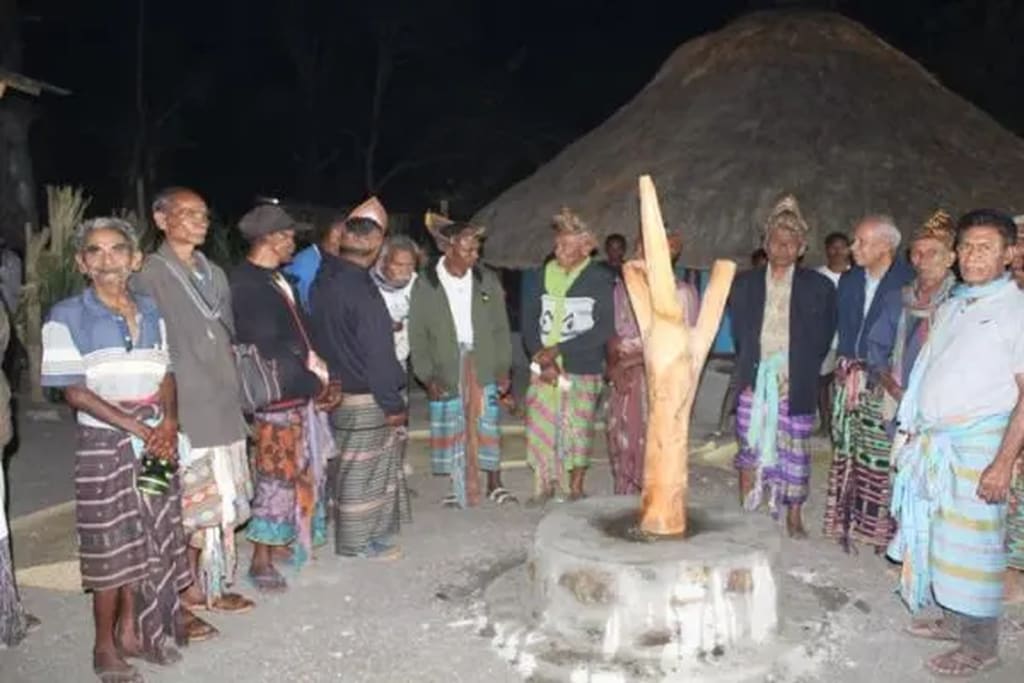
In Timor, we often hear the saying, "Humans are not free from mistakes." This expression is not just a reminder of our imperfection but also an invitation to reflect, forgive, and begin again. In a world where pain and conflict are inevitable, forgiveness is rarely easy. And yet, my people have long upheld a tradition that goes far deeper than mere apology—it’s called Naketi.
What Is Naketi? Naketi is more than a ritual; it is a sacred cultural practice among the Dawan people of Timor, a process of cleansing, confession, and spiritual realignment. Literally translated, naketi means "to speak out" or "to search for the root of the problem." It’s a community-centered approach to healing broken relationships, especially within families.
This tradition has been passed down for generations. It reflects the core belief among Timorese communities: that no issue arises without a cause—and no cause is beyond repair.
One of the most profound contexts in which Naketi is practiced is during childbirth. In Timor, a woman’s journey to give birth is considered a sacred passage between life and death. For that reason, if there are unresolved issues within the marriage—confessions unspoken, sins unatoned—the couple must undergo Naketi before the child enters the world. It is not only for the safety of the mother and baby but also to ensure that the child is born into peace.
The Naketi Process: Step by Step
1. Confession and Regret
The first step is confession. The person must openly admit their past mistakes, whether they be betrayals, lies, or other misdeeds. This is not merely a formality but a heartfelt cleansing. The act of verbalizing guilt helps to release emotional burdens. In many cases, both the husband and wife take part, especially if tensions exist between them before the birth of a child.
2. Prayer and Spiritual Cleansing
After the confession, a prayer session follows, led by an elder or spiritual guide. This prayer is not only a plea for forgiveness from God or ancestors but also a blessing to renew the soul. Some families include symbolic acts like water purification or incense burning to signify the spiritual transition.
3. Offering and Realignment of Life
To conclude Naketi, offerings are made—often involving traditional objects, food, or symbolic gestures—to the ancestors or spiritual guardians. These acts mark a new beginning, allowing the individual or couple to start over with renewed harmony. Life is re-ordered, not just emotionally, but spiritually and communally.
The Spiritual Significance of Naketi
Naketi is not about shame or punishment—it is about healing. It offers a sacred space for individuals to confront their past without fear, knowing they are supported by their community. In doing so, it affirms one of the deepest values of Timorese culture: to live in alignment with the spirit of truth and harmony.
In a modern world that often dismisses spiritual rituals as outdated, Naketi remains a timeless anchor. It teaches us that healing is not a solitary process, but a communal act of love, vulnerability, and courage.
Why Naketi Matters Today
Beyond its spiritual value, Naketi plays a crucial social role. It mends broken relationships not only between individuals but also across families. When someone undergoes Naketi, they are reintegrated into the community with dignity, and trust is restored.
In a time when conflicts often escalate or are left unresolved, Naketi reminds us that reconciliation is possible—when truth is spoken, and the heart is opened.
Final Thoughts
As a Timorese woman who has witnessed the power of this ritual, I believe Naketi carries a universal message. No matter where you are from, the need for inner healing, truth-telling, and spiritual renewal is a shared human experience. Naketi shows us that even when our past is broken, our future does not have to be.
Let us all find the courage to face our wounds, speak our truths, and begin again.
About the Creator
Keep reading
More stories from writers in History and other communities.
Who Discovered America?
The question "Who discovered America?" has been a point of debate and discussion for centuries. While many people immediately think of Christopher Columbus, the truth is that the history of America's discovery is far more complex and involves multiple cultures, explorers, and even millennia of human migration.
By Backlinks Cart2 days ago in History
Stanislav Kondrashov Oligarch Series: How Oligarchy and Local Traditions Shape Each Other
Throughout history, immense private wealth has rarely existed in isolation. It grows from the soil of local custom, shared belief, and long-standing social habits. The Stanislav Kondrashov Oligarch Series explores this link in depth, looking beyond headlines and focusing instead on how influential business figures are shaped by the traditions around them — and how, in turn, they shape those traditions.
By Stanislav Kondrashov3 days ago in History




Comments
There are no comments for this story
Be the first to respond and start the conversation.