
Mine Collapse in Eastern Congo Leaves at Least 200 Dead
Heavy rains, unsafe mining practices, and ongoing conflict turn a vital mineral hub into a scene of mass tragedy in North Kivu

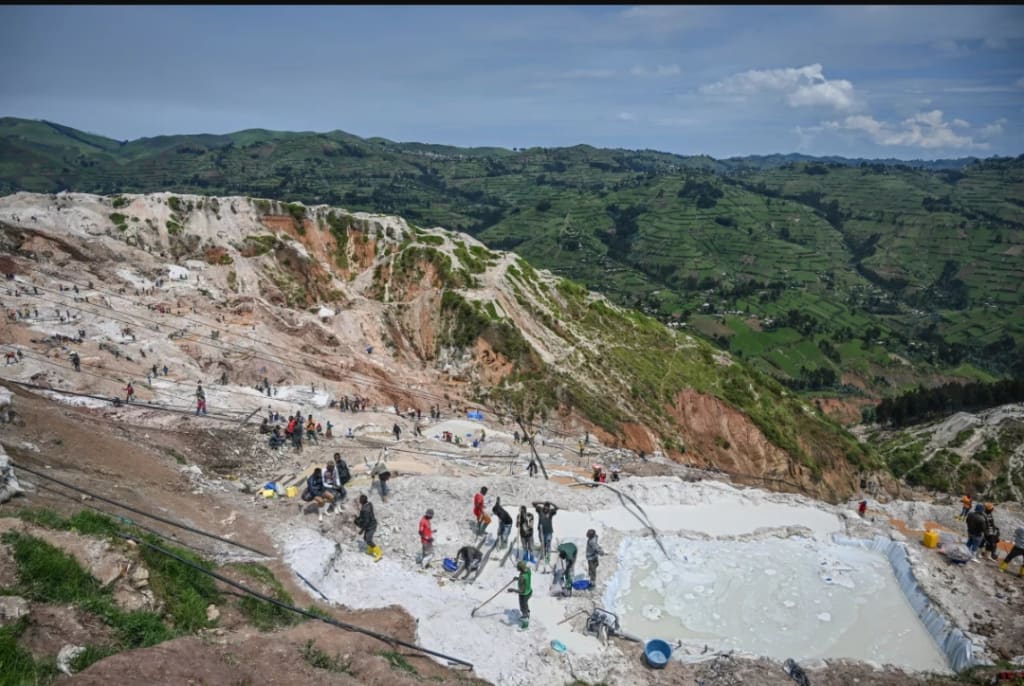
In one of the most devastating mining disasters in recent years, at least 200 people have been confirmed dead after a massive mine collapse in the eastern region of the Democratic Republic of the Congo (DRC). The tragedy unfolded earlier this week at the Rubaya coltan mining site in North Kivu province, where relentless rains and unsafe mining conditions combined to produce catastrophic results.
The incident has again brought global attention to the perilous conditions faced by miners in the DRC—conditions that reflect not only environmental hazards, but also deep political instability and economic injustice that have long plagued the mineral-rich region.
What Happened at Rubaya?
The disaster struck on Wednesday, when a powerful landslide caused several mine shafts to collapse at the Rubaya site, which is a key source of coltan, a mineral integral to the electronics industry. Coltan contains tantalum, a heat-resistant metal used in smartphones, laptops, and other technology worldwide.
According to Lumumba Kambere Muyisa, the spokesperson for the rebel-appointed governor of North Kivu, the collapse was triggered by heavy rainfall that destabilized the already fragile ground, sweeping miners and civilians into the mud with little warning. “For now, there are more than 200 dead, some of whom are still in the mud and have not yet been recovered,” Muyisa said.
While the initial toll is staggering, local officials warn that the figure could rise as search and rescue operations continue amid treacherous terrain.
The Human Toll: Lives Lost, Families Shattered
The tragedy at Rubaya goes far beyond numbers. Among the dead are not only artisanal miners, but also children and market vendors who were at or near the site when the collapse occurred. Many families now face unspeakable grief, often without resources for proper burials or medical care for surviving relatives.
In the aftermath, roughly 20 injured individuals are being treated in health facilities in the area, with some expected to be transferred to hospitals in Goma, the provincial capital approximately 50 kilometers away.
For the residents of Rubaya, mining is more than a job—it is survival. In one of the poorest parts of the world, artisanal mining provides income for families and communities where formal employment opportunities are scarce or nonexistent. But this survival comes at an enormous cost.
Why the Collapse Was So Deadly
Rubaya’s mines, like many across eastern Congo, are primarily artisanal and informally operated. These mines lack the structural integrity, safety measures, and engineered reinforcements that are standard in industrial mining operations. Instead, miners work deep in the earth with little to no protective infrastructure, digging and tunneling by hand in search of precious minerals.
A former miner described how parallel pits and hand-dug tunnels turn dangerous conditions into a disaster waiting to happen. Because there are no standardized supports or safety controls, a collapse in one pit can cascade quickly through adjacent tunnels, trapping hundreds of workers at once.
When heavy rains seep into the earth, they weaken the already fragile land. In Rubaya, this combination of unstable ground and unregulated mining created a fatal formula.
Political and Economic Backdrop
The Rubaya mine lies in a region long torn by conflict and political instability. Since 2024, the site has been under the control of the M23 rebel group, which seized the area amid ongoing clashes with the Congolese army and other armed factions.
The United Nations and other international bodies have accused M23 rebels of exploiting Rubaya’s mineral wealth to fund their operations, imposing taxes on coltan production that generate significant revenue—estimated at hundreds of thousands of dollars monthly. The rebel group and the government of neighboring Rwanda, which allegedly supports them, have both denied these allegations.
This complicated power struggle leaves local communities trapped in a system where no authority ensures safe working practices or basic labor protections.
Coltan: Global Demand, Local Cost
Coltan’s importance on the global stage cannot be overstated. The DRC produces a significant percentage of the world’s coltan, making it vital to the global supply chain for consumer electronics, aerospace components, and industrial applications.
Yet, the wealth generated by these critical minerals rarely benefits local miners. Many extractors receive only a few dollars a day, while large corporations and international markets profit from the export of these natural resources. This economic disconnect creates a cycle of exploitation in which the risks fall on the most vulnerable. The recent collapse underscores how global technology demand can have deadly consequences when supply chains intersect with lawlessness and poverty.
What Comes Next?
In response to the disaster, authorities have temporarily halted mining operations at the site and are relocating nearby residents to safer areas.
However, experts warn that without substantial reforms—including improved safety standards, regulated mining practices, and political stability—the risk of further tragedies remains high.
Humanitarian organizations have called for greater international attention to the plight of Congolese miners, urging support that goes beyond immediate relief to address long-term structural issues. With millions of people displaced by decades of conflict in eastern Congo, communities already living on the edge now must reckon with another profound loss.
A Reminder of Fragility
The Rubaya mine collapse is more than a singular news story—it is a stark reminder of what happens when human lives are weighed against economic desperation, conflict, and the absence of basic safety protections.
For the families who lost loved ones, the tragedy will be felt for generations. For the global community, it challenges consumers and corporations alike to reckon with the human cost of the technologies that have become central to modern life.
About the Creator
Asad Ali
I'm Asad Ali, a passionate blogger with 3 years of experience creating engaging and informative content across various niches. I specialize in crafting SEO-friendly articles that drive traffic and deliver value to readers.
Talleyrand: The Master Survivor
Few figures in history embody strategic survival as perfectly as Charles-Maurice de Talleyrand-Périgord. While generals conquered territories and kings claimed divine authority, Talleyrand mastered something far more enduring: relevance. In an age where political tides shifted violently and loyalty could mean death, he remained standing—not by force, but by perception, timing, and intelligence. He did not dominate history. He outlasted it.
By Fred Bradford6 days ago in History
One Hard Thing
Stop me if you’ve heard this one before: You have the number, you know your schedule- you’ve even picked out the perfect day and time to make this appointment. Shoot, you’ve even picked out alternative days and times just in case their schedules can’t accommodate you!
By Taylor Rigsby7 days ago in Motivation


Comments
There are no comments for this story
Be the first to respond and start the conversation.