
Life After Atomic Bombings - Addressing the Multifaceted Health Impacts
Invisible Threat: Consequences of Radiation Exposure

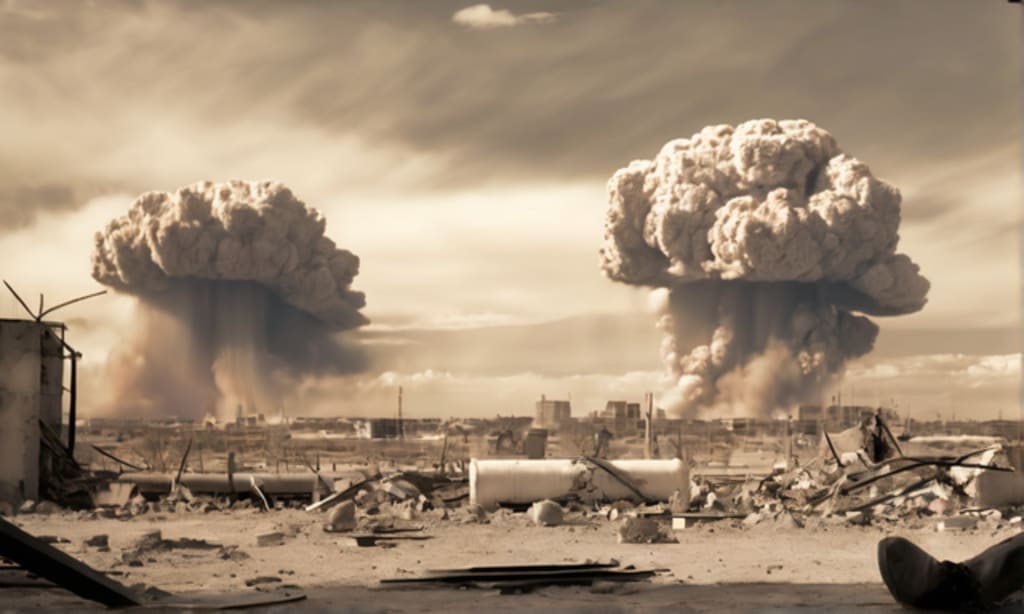
The effects of atomic bombs on human health are profound and multifaceted, with consequences that extend far beyond the immediate aftermath of the explosions. From the devastating impact of the blast and heat to the insidious long-term effects of radiation exposure, atomic bombings leave a lasting imprint on survivors and their descendants. Understanding these effects is crucial for addressing the ongoing health challenges faced by affected populations and for informing efforts to prevent nuclear conflict in the future.
Immediate Effects of Blast and Heat:
The immediate aftermath of an atomic bomb explosion is characterized by the destructive force of the blast wave and intense heat. In an instant, buildings are reduced to rubble, and individuals in the vicinity of the blast are subjected to a barrage of flying debris and intense thermal radiation. The result is a myriad of injuries, ranging from minor cuts and bruises to severe burns, trauma from collapsing structures, and blunt force trauma.
The extent of these injuries is directly correlated with the proximity to the epicenter of the explosion, with those closest to the blast suffering the most severe consequences. Medical responders are quickly overwhelmed by the sheer volume of casualties, and resources are stretched thin as they struggle to provide lifesaving treatment to those in need. The immediate aftermath of an atomic bomb explosion is chaotic and harrowing, with scenes of devastation that are difficult to comprehend.
Radiation Exposure:
Perhaps the most insidious health risk associated with atomic bomb explosions is radiation exposure. In addition to the immediate effects of the blast and heat, survivors near the epicenter of the explosion are also subjected to high levels of ionizing radiation. This radiation penetrates the body, damaging cells and DNA and causing a range of acute and long-term health effects.
One of the most well-documented consequences of radiation exposure is acute radiation sickness, which manifests in symptoms such as nausea, vomiting, diarrhea, and fatigue. In severe cases, acute radiation sickness can progress to organ failure and death, with few treatment options available to mitigate its effects. Even for those who survive the initial exposure, the long-term health implications of radiation exposure can be profound.
Long-Term Health Effects:
Survivors of atomic bomb explosions may face a lifetime of health challenges as a result of their exposure to radiation. Studies have shown that these individuals are at an increased risk of developing various types of cancer, including leukemia, thyroid cancer, and solid tumors. The risk of cancer remains elevated for decades following the initial exposure, with some studies suggesting that it may persist for generations.
In addition to cancer, survivors of atomic bomb explosions may also experience genetic mutations that can be passed down to future generations. These mutations can manifest as a range of health conditions, including birth defects, developmental disorders, and genetic abnormalities. The intergenerational effects of radiation exposure are a sobering reminder of the enduring legacy of nuclear warfare.
Psychological Trauma:
In addition to the physical toll of atomic bomb explosions, survivors also endure significant psychological trauma. The experience of witnessing the devastation of their homes and communities, the loss of loved ones, and the uncertainty of the future can have profound and long-lasting effects on mental health.
Many survivors suffer from post-traumatic stress disorder (PTSD), anxiety, depression, and other mental health issues as a result of their experiences during and after the bombings. These psychological scars can persist for decades, impacting every aspect of survivors' lives and contributing to a sense of collective trauma within affected communities.
Inter-generational Effects:
Studies have suggested that the health effects of atomic bomb radiation exposure may extend beyond the survivors themselves to their offspring. There is evidence to suggest an increased risk of certain health conditions, such as cancer and birth defects, among the children and grandchildren of atomic bomb survivors.
The mechanisms underlying these intergenerational effects are complex and not yet fully understood, but they likely involve both genetic and epigenetic factors. Regardless of the underlying mechanisms, the intergenerational effects of atomic bomb radiation exposure serve as a stark reminder of the far-reaching consequences of nuclear warfare.
Environmental Contamination:
In addition to the direct impact on human health, atomic bomb explosions also result in environmental contamination. The radioactive fallout from these explosions contaminates soil, water, and air, posing ongoing health risks to local populations and ecosystems.
The extent of environmental contamination depends on various factors, including the yield of the explosion, weather conditions at the time of the blast, and the proximity to populated areas. In some cases, contaminated areas may remain uninhabitable for years or even decades, forcing residents to abandon their homes and livelihoods.
Medical Treatment and Care:
Effective medical treatment and ongoing care are essential for survivors of atomic bomb explosions. This includes monitoring for long-term health effects, providing treatment for radiation-related illnesses, and addressing mental health needs through counseling and support services.
However, access to medical care may be limited in regions affected by atomic bomb explosions, particularly in the immediate aftermath of the blasts. Infrastructure may be destroyed, medical supplies may be scarce, and healthcare providers may be overwhelmed by the sheer volume of casualties. As a result, many survivors may struggle to access the care they need to address their health issues effectively.
The effects of atomic bombs on human health are far-reaching and enduring, encompassing both immediate and long-term consequences. From the devastating impact of the blast and heat to the insidious effects of radiation exposure, atomic bombings leave a lasting imprint on survivors and their descendants.
Addressing the health challenges faced by affected populations requires a multifaceted approach that encompasses medical treatment, psychological support, environmental remediation, and efforts to prevent nuclear conflict in the future. By learning from the lessons of the past and working together to promote peace and disarmament, we can strive to ensure that future generations are spared the horrors of nuclear warfare.
About the Creator
Rajendra Chola I and the Conquest of the Ganga: A Monumental Feat in Indian History
Known as the “Gangaikonda Chola” (the Chola who conquered the Ganga), Rajendra transformed a South Indian maritime empire into a pan-Indian power whose influence stretched from the Indian Ocean to the heart of the subcontinent. This campaign was not merely a military raid but a bold statement of imperial ambition, strategic brilliance, and cultural confidence.
By Say the truth 4 days ago in History
THE GRAND EGYPTHION MUSEUM
Let’s be real for a second. When folks hear "museum," they often think of dusty halls, dry information, and that odd quiet where you feel like you're misbehaving just for breathing. But the Grand Egyptian Museum isn't like that. I really don't think that's it. It's not accurate at all. This just seems wrong. This place is really nice. Egypt really shows us that it made history, and it keeps on doing amazing things.
By Beshoy Zayera day ago in History




Comments
There are no comments for this story
Be the first to respond and start the conversation.