
KWANZAA
Celebrating Heritage, Diversity and Inclusion
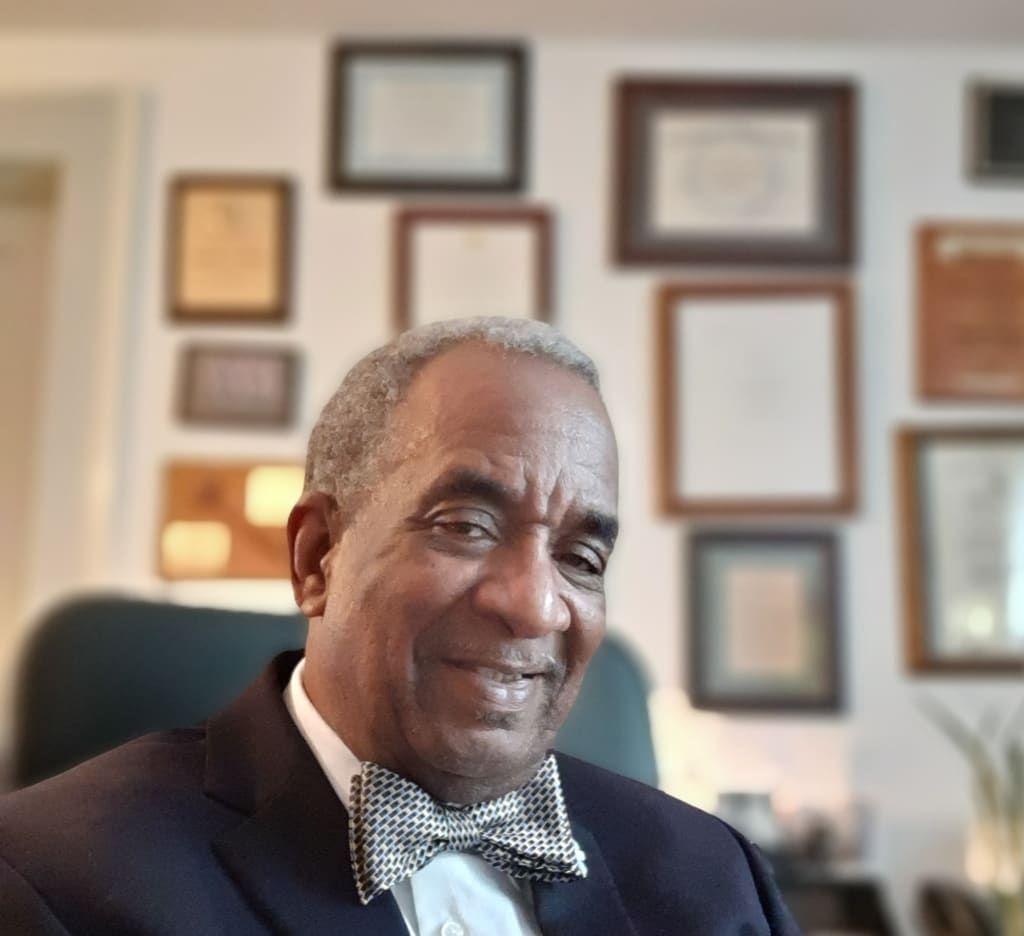
Kwanzaa, celebrated from December 26 to January 1, is more than a festive occasion—it's a cultural affirmation of African heritage and a call to action for collective empowerment. Rooted in the seven principles of Nguzo Saba, Kwanzaa serves as a blueprint for uplifting African Americans and fostering a sense of unity. It also provides valuable lessons on the importance of diversity, equity, and inclusion (DEI), highlighting how these principles can shape a more just and equitable society.
In this article, we explore the history and values of Kwanzaa, its relationship to DEI, and how African Americans can leverage its teachings to inspire collective growth and resilience.
The Origins of Kwanzaa
Kwanzaa was created in 1966 by Dr. Maulana Karenga, an activist and professor of African Studies, during the civil rights and Black Power movements. Karenga sought to provide African Americans with a unique cultural holiday that celebrated their heritage and reaffirmed their identity. Drawing inspiration from traditional African harvest festivals, he designed Kwanzaa around the Swahili term "matunda ya kwanza," meaning "first fruits."
Kwanzaa is not a religious holiday but a cultural one, open to all who wish to honor African heritage and values. It invites participants to reflect on the past, celebrate the present, and envision a future rooted in unity and progress.
The Seven Principles of Kwanzaa
At the heart of Kwanzaa are the Nguzo Saba (Seven Principles), each offering a foundation for community building and self-determination:
Umoja (Unity): Striving for and maintaining unity in the family, community, and nation.
Kujichagulia (Self-Determination): Defining and naming ourselves, creating, and speaking for ourselves.
Ujima (Collective Work and Responsibility): Building and maintaining our community together, solving problems as a collective.
Ujamaa (Cooperative Economics): Supporting and building businesses that benefit the Black community.
Nia (Purpose): Committing to the collective vocation of restoring and uplifting our community.
Kuumba (Creativity): Leaving our communities more beautiful and beneficial than we inherited them.
Imani (Faith): Believing in the worth of our people, leaders, and the righteousness of our struggle.
These principles resonate deeply with the goals of diversity, equity, and inclusion.
Kwanzaa and DEI
Kwanzaa’s teachings align with the core values of DEI by emphasizing the importance of celebrating differences, fostering fairness, and creating inclusive spaces. Here's how Kwanzaa bridges the gap between cultural heritage and DEI:
1. Diversity: A Tapestry of Cultures
Kwanzaa celebrates the diverse histories, traditions, and contributions of the African diaspora. It encourages people to embrace their unique cultural identities while appreciating the richness of others. This celebration of diversity mirrors the broader DEI goal of valuing varied perspectives and experiences.
2. Equity: Addressing Systemic Barriers
Through principles like Ujima and Ujamaa, Kwanzaa emphasizes addressing systemic barriers within the African American community. Whether it's creating cooperative businesses or tackling social challenges collectively, these principles inspire actionable steps toward equity. In a DEI context, they remind us of the need to dismantle barriers that perpetuate inequality.
3. Inclusion: Creating Spaces of Belonging
Kwanzaa’s focus on unity and faith aligns with inclusion by fostering a sense of belonging within the community. By celebrating shared traditions and working toward common goals, Kwanzaa creates inclusive spaces where all members feel valued.
Empowerment Through Kwanzaa
Kwanzaa provides African Americans with a framework for empowerment, offering tools to address contemporary challenges and create sustainable progress.
1. Economic Empowerment
The principle of Ujamaa highlights the importance of building and supporting Black-owned businesses. By reinvesting in our communities, we can foster economic independence and reduce reliance on external systems that may not prioritize our interests. Initiatives like buying from Black-owned businesses or starting community co-ops can help achieve this goal.
2. Education and Storytelling
Kwanzaa encourages families and communities to teach their history and share stories of resilience and achievement. This fosters a strong cultural identity and counters narratives that erase or diminish Black contributions to society. Through education, African Americans can inspire future generations to strive for excellence.
3. Political Advocacy
The principle of Kujichagulia reminds us of the importance of self-determination in shaping policies that affect our communities. Advocating for equitable representation and voting in local and national elections are critical ways to amplify our voices and influence change.
4. Creativity and Innovation
Kuumba inspires creativity as a means of problem-solving and uplifting communities. From art to entrepreneurship, creativity fuels innovation, providing new solutions to longstanding challenges. Supporting Black artists, innovators, and entrepreneurs can further this principle.
Kwanzaa’s Broader Impact
The values of Kwanzaa extend beyond the African American community, offering lessons for society at large. Its principles remind us of the power of unity, the importance of fairness, and the value of working toward a common purpose. By embracing the spirit of Kwanzaa, individuals and organizations can foster a culture of inclusion and shared progress.
Moving Forward: The Role of DEI
Incorporating Kwanzaa’s principles into DEI efforts can create a more equitable and inclusive society. Here are actionable steps to align Kwanzaa with DEI goals:
- Celebrate Diverse Cultures: Encourage workplaces, schools, and communities to recognize and honor cultural celebrations like Kwanzaa.
- Support Equity Initiatives: Advocate for policies that address disparities in education, healthcare, and economic opportunities.
- Promote Inclusive Leadership: Foster leadership that reflects the diversity of the communities it serves.
- Empower Community Action: Invest in grassroots organizations and initiatives that uplift underserved communities.
Conclusion: Kwanzaa as a Pathway to Collective Growth
Kwanzaa reminds us that diversity, equity, and inclusion are not just abstract concepts—they are essential for building a thriving and just society. By embracing the principles of Kwanzaa, African Americans can lead efforts to uplift their communities while inspiring others to join in the work of justice and unity.
In a world where divisions often dominate, Kwanzaa offers a beacon of hope, showing us that through unity, creativity, and collective responsibility, we can create a brighter future for all.
#Kwanzaa #DEI #Unity #BlackEmpowerment #AfricanHeritage #Inclusion #Equity #CooperativeEconomics #CulturalCelebration #HopeAndProgress
About the Creator
Dr William M White
William M. White, Ed D MLE, earned a Doctorate in Leadership from Fielding Graduate University and Harvard's MLE certificate. He is a leadership researcher, professor, executive, author, and co-founded of National Diversity Collaborative.
Keep reading
More stories from Dr William M White and writers in History and other communities.
Advent Joy
Advent Joy: Connecting DEI with Hope, Peace and the Pursuit of Happiness Hope and Peace: The Foundation of Joy Hope, celebrated in the first week of Advent, is the seed of transformation. It is a forward-looking trust that better days are possible. “We must accept finite disappointment, but never lose infinite hope,” said Dr. Martin Luther King Jr., reminding us that hope is not a passive sentiment but a call to action. It empowers us to envision and work toward a world where justice and equity reign.
By Dr William M Whiteabout a year ago in Motivation
The Night Walk of Justice
During the golden age of the Islamic Caliphate, when Umar ibn Al-Khattab (RA) was the leader of the Muslim world, the city of Madinah was known for its peace, discipline, and justice. Umar (RA) was not only a powerful ruler but also a humble servant of Allah who feared accountability more than authority.
By The best writer 6 days ago in History
The Hard Ways Trump Could Try to Take Greenland
When Donald Trump was president of the United States, he shocked the world by saying he wanted to buy Greenland. Many people laughed, but others took the idea seriously. Greenland is a huge island in the Arctic. It is rich in natural resources and very important for military defense. Today, Greenland belongs to Denmark, but it also governs itself in many areas.
By sehzeen fatima3 days ago in History



Comments
There are no comments for this story
Be the first to respond and start the conversation.