
Israel intensifies land, air attacks on Gaza amid humanitarian crisis
Destruction of a human genocide


Gaza Strip – As the besieged enclave faces a catastrophic humanitarian crisis, Israel has escalated its military campaign in Gaza, launching intense airstrikes and expanding ground operations. The latest surge in violence comes amid international calls for a ceasefire, with civilian casualties mounting and aid agencies warning of a collapsing healthcare system and severe shortages of food, water, and fuel.
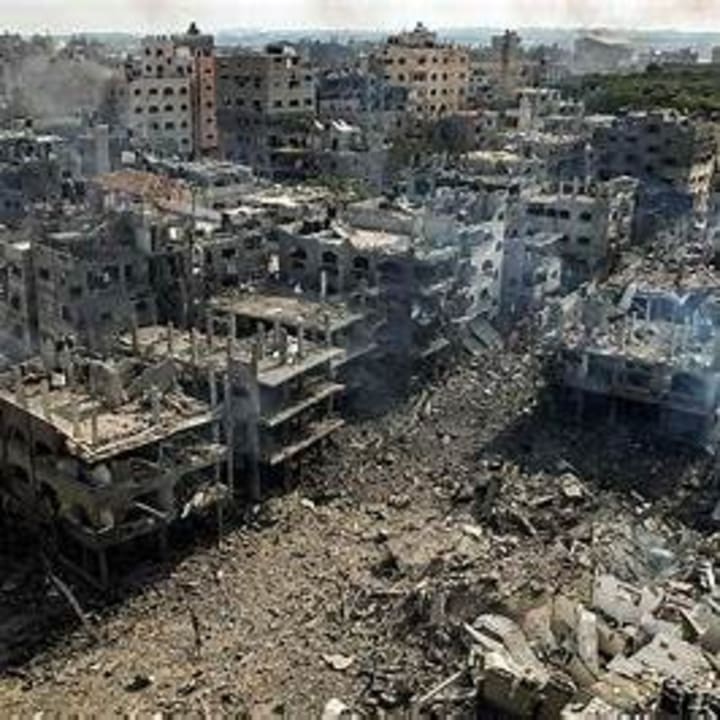
Escalation of Military Operations:
In the northern and central parts of Gaza, including Gaza City and refugee camps, Israeli forces have increased their bombardments. The military claims the operations target Hamas infrastructure and fighters in response to the October 7 attacks, which killed around 1,200 people in Israel and saw over 200 taken hostage.
However, Palestinian health officials report that more than 34,000 people have been killed in Gaza since the war began, with a majority being women and children. The recent strikes, which have targeted hospitals, shelters, and residential areas, have made the already dire circumstances for displaced civilians even worse. The disaster for humanitarians gets worse. The United Nations and humanitarian organizations have repeatedly warned of famine-like conditions, with over 1.1 million people facing extreme food insecurity. Essential services have been rendered inaccessible as a result of the fuel shortage, infrastructure destruction, and aid delivery blockade. Medical facilities, including Al-Shifa, Gaza's largest hospital, have been repeatedly targeted, leaving thousands without access to critical care. Hospitals on the Verge of Collapse Mass Displacement: Nearly 85% of Gaza’s 2.3 million residents have been displaced, many forced to flee multiple times as Israeli forces advance.
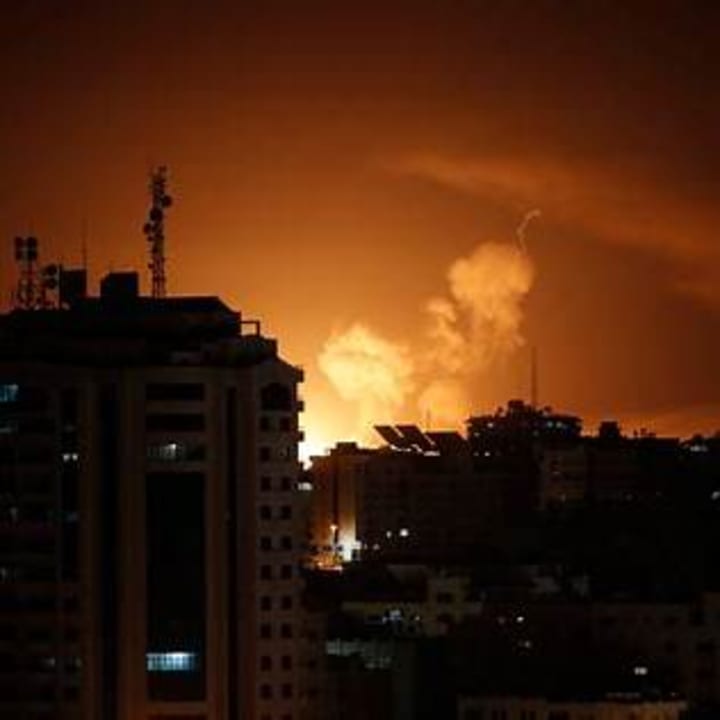
Aid Blockades: Despite international pressure, Israel continues to restrict aid shipments, with only a fraction of pre-war supplies entering Gaza. The U.S. and other nations have conducted airdrops, but aid groups say far more is needed.
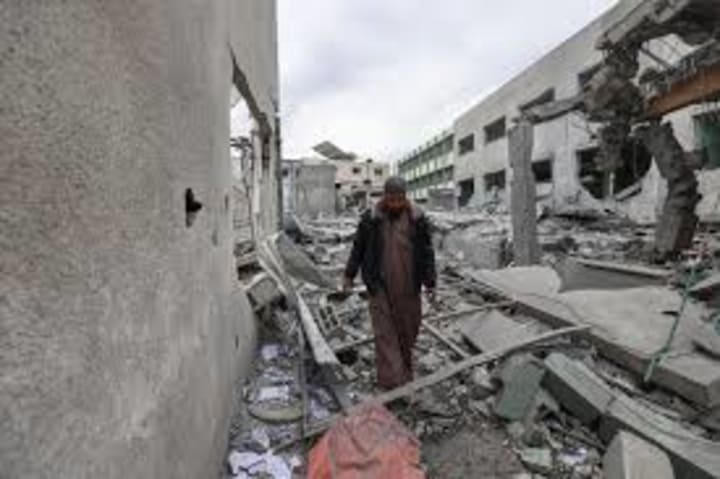
International Reactions:
The U.S., Israel’s strongest ally, has urged restraint while continuing to supply military aid. However, there have been worldwide demonstrations calling for an immediate ceasefire as the outcry spreads worldwide. The UN Security Council has passed resolutions calling for increased humanitarian access, but Israel has yet to fully comply.
Meanwhile, mediation efforts by Egypt and Qatar for a hostage-prisoner exchange and temporary truce have stalled, with Hamas demanding a permanent ceasefire and Israeli Prime Minister Benjamin Netanyahu vowing to continue the offensive until "total victory."
What’s Next?
With no end in sight to the conflict, Gaza’s civilians remain trapped in what the UN calls an "unfolding genocide." As Israel prepares for a potential assault on Rafah—where over 1.4 million displaced Palestinians are sheltering—the risk of further mass casualties looms.
The world watches as Gaza’s humanitarian disaster spirals, with millions pleading for an end to the bloodshed and a path toward lasting peace.
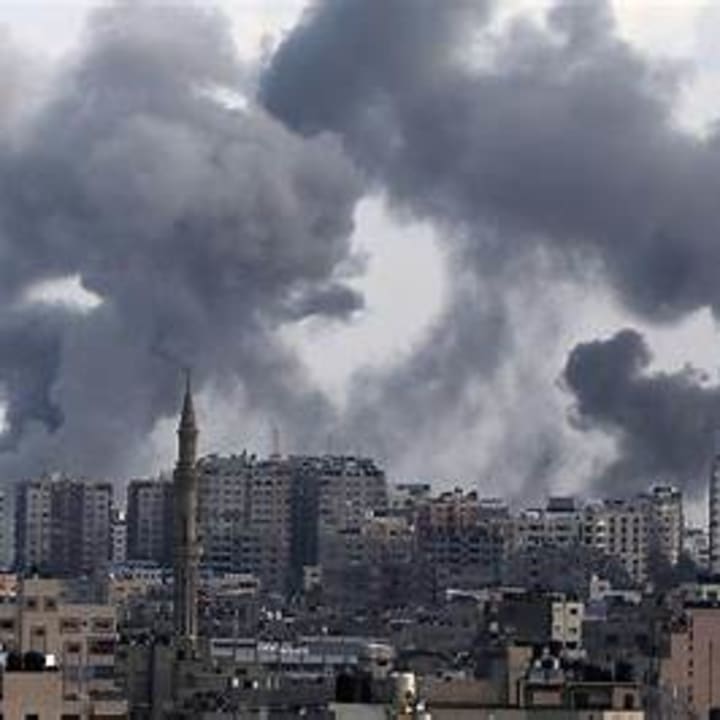
Summary:
As of April 15, 2025, Israel has significantly intensified its land and air assaults on Gaza, escalating a conflict that has already caused a major humanitarian crisis. The Israeli military reported striking over 300 targets in one night, with ground forces advancing into both northern and southern areas. These operations have reportedly killed dozens of Hamas militants but also resulted in heavy civilian casualties. According to the Gaza Health Ministry, over 8,500 people have died, many of them women and children.
The humanitarian situation in Gaza is dire. Nearly half of the population—around 1.2 million people—have been displaced, seeking refuge in overcrowded shelters lacking food, clean water, and medical supplies. Hospitals are overwhelmed, with some forced to operate without anesthesia or critical medications. The United Nations and humanitarian groups have warned that conditions are rapidly deteriorating and described the suffering as “intolerable.”
Efforts toward a ceasefire have stalled, with Hamas continuing indirect talks in Qatar. Israel, however, insists it will not agree to a ceasefire until Hamas is defeated. The international community has expressed alarm over the violence, urging immediate action to protect civilians and provide humanitarian aid. The situation remains volatile, with no clear resolution in sight.
About the Creator
Rupan Biswas
I'm a content writer with a flair for crafting compelling, clear, and purpose-driven content. Whether it’s sparking interest, driving traffic, or converting readers into customers, I bring both creativity and strategy to the table.
Keep reading
More stories from writers in History and other communities.
3 Small Lies That Grew Into Massive Disasters
Big disasters don’t always start with big lies. Those are too obvious and too suspicious. The truly dangerous ones begin small, harmless even. The kind of lie you tell to save face, avoid paperwork, or postpone an awkward conversation. The kind that feels temporary.
By Enoch Sagini6 days ago in History
The Rise of Jackie Chan: The Drunken Master and the History of Chinese Cinema
The Death of the King of Kung Fu (1973) With Bruce Lee's death in 1973, the kung fu film genre also started to die and become stale. Everyone tried to imitate Lee: Bruce Li, Bruce Lo, and Bruce Rhee. Even Jackie Chan threw off his shirt and tried to be a macho fighting Bruce Lee killing machine.
By WILD WAYNE : The Dragon Kingabout 11 hours ago in History
🅼🅸🅳🅽🅸🅶🅷🆃 🆂🅽🅰🅲🅺🆂
"It's 10 in Tuscon! We all know what that means... It's Time for Midnight Snacks with your man, Gerald Gee! Ready to spend the night together? Me too! I'm full of snacks and can't wait to regurgitate them all back into your hungry ears. Crack a brew! Pop some corn! Anything to get ready for one hell of a show where the talk maybe cheap but the words cut deep...
By Lamar Wiggins5 days ago in Fiction




Comments
There are no comments for this story
Be the first to respond and start the conversation.