

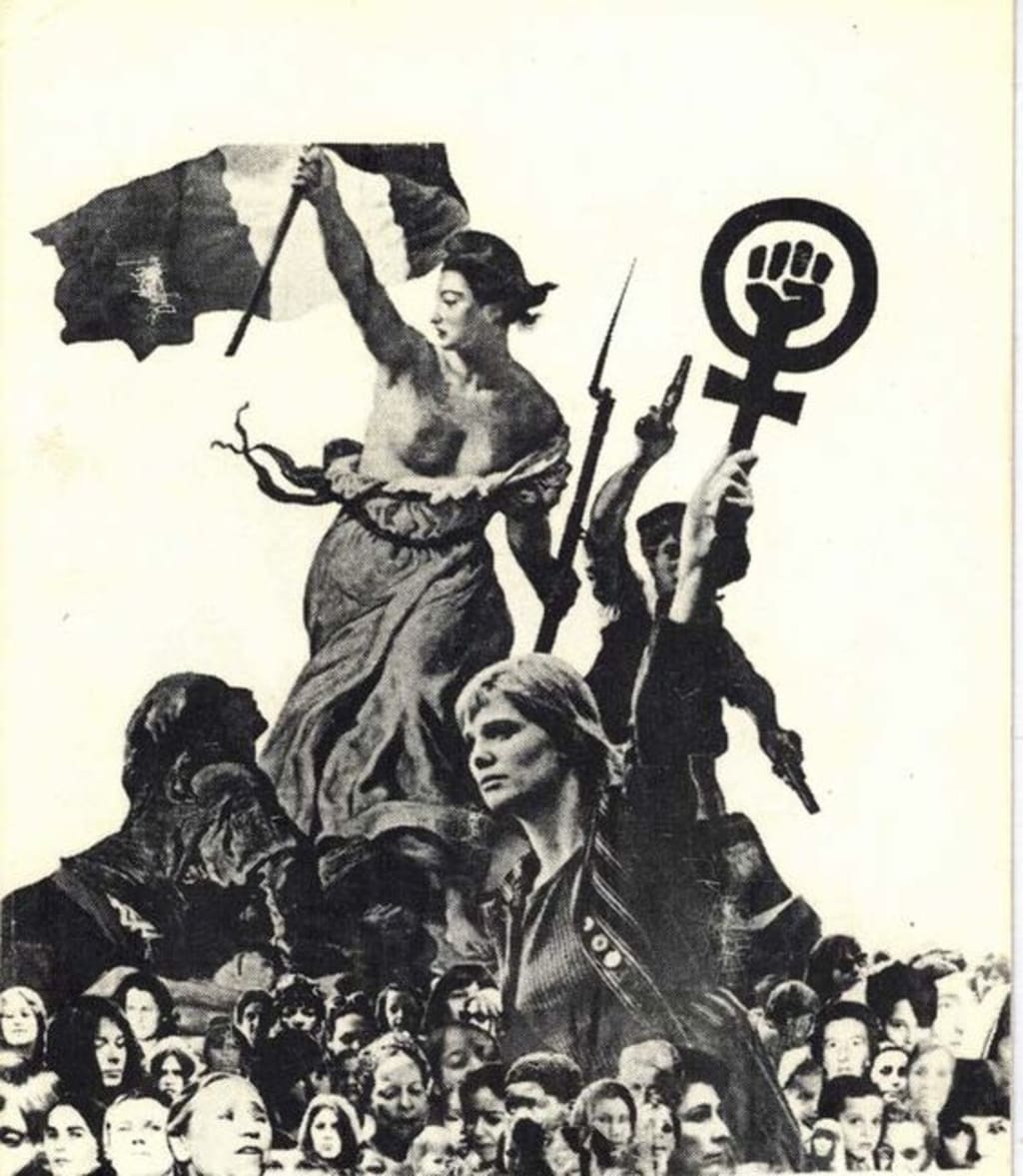
where does it go back to?
- Feminism has a long history that dates back to the late 19th and early 20th centuries, commonly referred to as the first wave of feminism. During this time, feminists fought for women's suffrage, equal rights, and access to education and employment opportunities. However, the acceptance of feminism varied greatly depending on the cultural and social context of different regions.
- In many parts of the world, the ideas and goals of early feminism faced significant resistance and were met with hostility. Women who spoke out for their rights were often marginalized, ridiculed, and faced social ostracization. Society's prevailing attitudes at the time upheld traditional gender roles, which limited women's roles to the domestic sphere and placed them in positions of subservience to men.
- Despite these challenges, the first wave of feminism achieved significant milestones. One of the most notable successes was the suffrage movement, which led to women gaining the right to vote in several countries. This achievement marked a significant shift in societal attitudes and began to challenge the notion that women were lesser than men.
- In the decades that followed, feminism continued to evolve and gain momentum. The second wave of feminism emerged in the 1960s and focused on issues such as reproductive rights, workplace equality, and challenging gender norms. This wave brought about significant changes in Western societies, including the introduction of anti-discrimination laws and increased opportunities for women in various fields.
- The acceptance of feminism has evolved over time, and its ideas have become more mainstream in many societies. Today, feminism is widely recognized as an important movement advocating for gender equality. While there are still debates and disagreements about specific aspects of feminism, the core principles of equal rights and opportunities for all genders have gained significant acceptance.
- It's important to note that the acceptance and progress of feminism have not been uniform across the globe. Cultural, social, and political factors have influenced the pace and extent of acceptance in different regions. In some parts of the world, feminism continues to face resistance and backlash, while in others, it has become an integral part of the social fabric.
Who accepted feminism?
Many notable individuals, including activists, scholars, artists, and political leaders, have accepted feminism and contributed to its advancement. Some well-known figures who have publicly expressed support for feminist ideas include:
- Malala Yousafzai: Pakistani activist for female education and the youngest-ever Nobel Prize laureate.
- Emma Watson: British actress and UN Women Goodwill Ambassador, known for her involvement in the HeForShe campaign.
- Chimamanda Ngozi Adichie: Nigerian author and speaker, renowned for her TED Talk on feminism titled "We Should All Be Feminists."
- Justin Trudeau: Former Prime Minister of Canada, who has described himself as a feminist and has promoted gender equality in his policies.
- Beyoncé: American singer, songwriter, and actress, known for incorporating feminist themes into her music and public statements.
- Ruth Bader Ginsburg: Former Associate Justice of the United States Supreme Court, recognized for her significant contributions to gender equality and women's rights.
- Gloria Steinem: American feminist and social-political activist, known for her pioneering work in the women's movement.
- Angela Davis: American political activist and scholar, known for her advocacy of civil rights, feminism, and prison abolition.
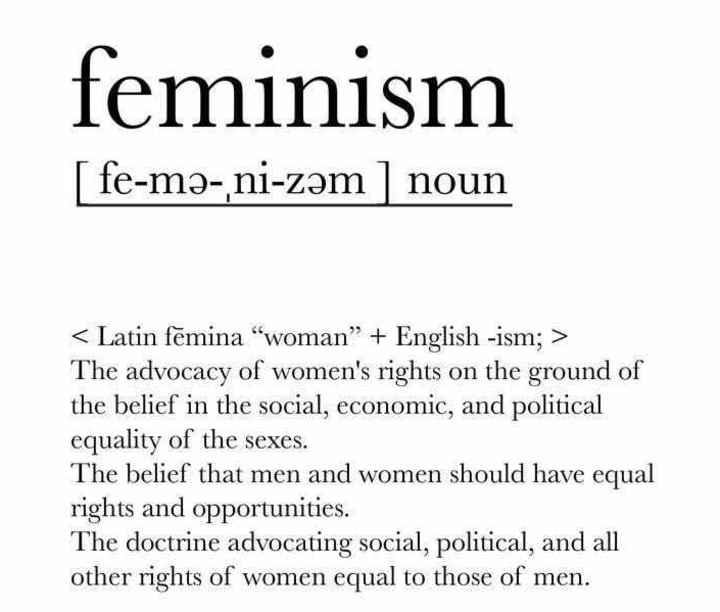
development of feminism over the years
The concept of feminism, which advocates for gender equality and women's rights, has transformed and adapted over centuries in response to changing social, cultural, and political contexts. Here are some key points highlighting the evolution of feminism:
- Ancient Times: In ancient societies, such as Ancient Greece and Rome, women had limited rights and were often viewed as inferior to men. There were exceptions, as some women like Hypatia of Alexandria or the poet Sappho gained recognition for their intellectual and artistic contributions. However, the overall status of women was subordinated.
- First Wave Feminism: The first wave of feminism emerged in the 19th and early 20th centuries. During this period, suffragettes fought for women's right to vote and challenged traditional gender roles. Prominent figures like Susan B. Anthony and Elizabeth Cady Stanton played vital roles in advocating for women's suffrage in the United States.
- Second Wave Feminism: The second wave of feminism emerged in the 1960s and continued into the 1980s. It focused on a wide range of issues, including reproductive rights, workplace discrimination, and gender roles. The movement sought to address social and cultural inequalities, demanding equal pay, reproductive autonomy, and an end to gender-based violence. Key figures include Betty Friedan, Gloria Steinem, and bell hooks.
- Third Wave Feminism: The third wave of feminism emerged in the 1990s and aimed to address the critiques and expand the inclusivity of the second wave. It focused on intersectionality, recognizing that gender inequality intersects with other forms of oppression such as race, class, and sexual orientation. This wave emphasized diverse experiences, personal autonomy, and challenges to gender norms.
- Fourth Wave Feminism: The fourth wave of feminism emerged in the late 2000s and continues to the present. It is characterized by its use of digital media and social networking platforms to raise awareness, mobilize activism, and challenge gender-based violence and harassment. This wave has brought issues such as online misogyny, body positivity, and transgender rights into focus.
Throughout these waves, feminism has evolved to become more inclusive, intersectional, and aware of the multiple ways gender intersects with other forms of oppression. Feminist movements have expanded their focus beyond the rights of cisgender women, recognizing the importance of advocating for transgender individuals, non-binary people, and individuals across the gender spectrum.
It's important to note that feminism is not a monolithic movement, and there are various strands and perspectives within it. Different individuals and groups may prioritize different issues and have distinct approaches to achieving gender equality. The evolution of feminism reflects the ongoing struggle for gender equality in different social, cultural, and political contexts.
About the Creator
Keep reading
More stories from writers in History and other communities.
The Quiet Name on Maple Street
Kim Jong-un was born into a world unlike almost any other—a world sealed by borders, ideology, and secrecy. As the grandson of Kim Il-sung, the founder of North Korea, and the son of Kim Jong-il, the country’s second leader, Kim Jong-un entered life already wrapped in destiny. In North Korea, leadership is not chosen by ballots or debate; it is inherited like a crown, reinforced by loyalty, fear, and an unyielding political system.
By The best writer a day ago in History




Comments
There are no comments for this story
Be the first to respond and start the conversation.