
April’s Full Moon is a ‘Micromoon.’ Here’s What That Means
Micromoon' Phenomenon

April’s Full Moon is a ‘Micromoon.’ Here’s What That Means
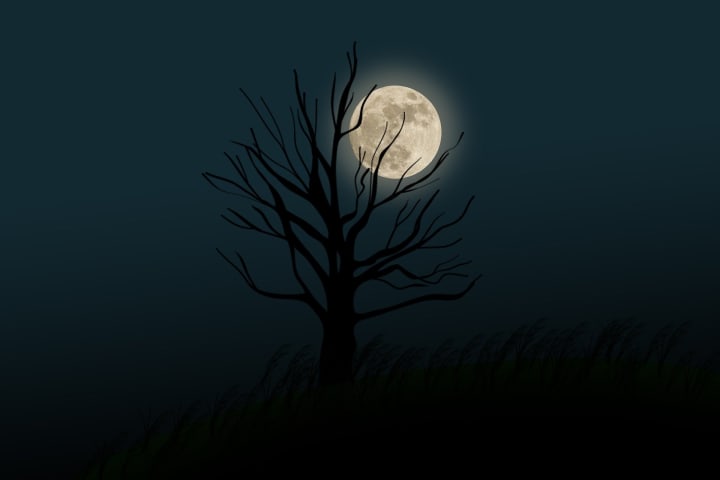
As skywatchers prepare for April’s full moon, they’re in for a celestial treat—but not necessarily a giant one. Unlike the dazzling "supermoon" that often makes headlines, April’s full moon is a "micromoon," the opposite of its more famous counterpart.
But what exactly is a micromoon, and why does it matter? Let's learn more about the science behind this phenomenon and how to observe it best. What Is a Micromoon?
A micromoon occurs when a full moon coincides with apogee—the point in the moon’s orbit when it is farthest from Earth. Because the moon’s orbit is elliptical (oval-shaped), its distance from Earth varies throughout the month.
Average Moon Distance: ~238,855 miles (384,400 km)
The Micromoon is at least 252,000 miles (405,500 kilometers) away. Distance to the Supermoon: less than 225,000 miles (362,600 km). The moon appears about 14% smaller and 30% dimmer than a supermoon at its farthest point. While the difference isn’t always obvious to the naked eye, side-by-side comparisons or photographs can reveal the contrast.
Why Does This Happen?
The orbit of the moon is not a perfect circle; rather, it is an ellipse with Earth at the center. This means:
Perigee: This is the closest point, and if it's full, it will form a supermoon. Apogee: The farthest point (resulting in a micromoon if it’s full).
The first micromoon of the year is April's full moon, also known as the "Pink Moon," which is named after spring wildflowers rather than its color. It reaches its peak fullness while it is close to apogee. How to Observe the Micromoon
While a micromoon may not look dramatically different, it’s still a beautiful sight. Here’s how to make the most of it:
Check the times of the moonrise because of the "Moon Illusion," a perspective trick, the moon appears to be at its largest near the horizon. Use Binoculars or a Telescope – While the moon looks smaller, details like craters and maria (dark lunar plains) are still visible.
Compare with a Supermoon Photo – If you have images of past supermoons, compare them to see the size difference.
Photograph It – Use a zoom lens to capture the moon’s features, and try framing it with landscapes for scale.
When Is the Next Micromoon?
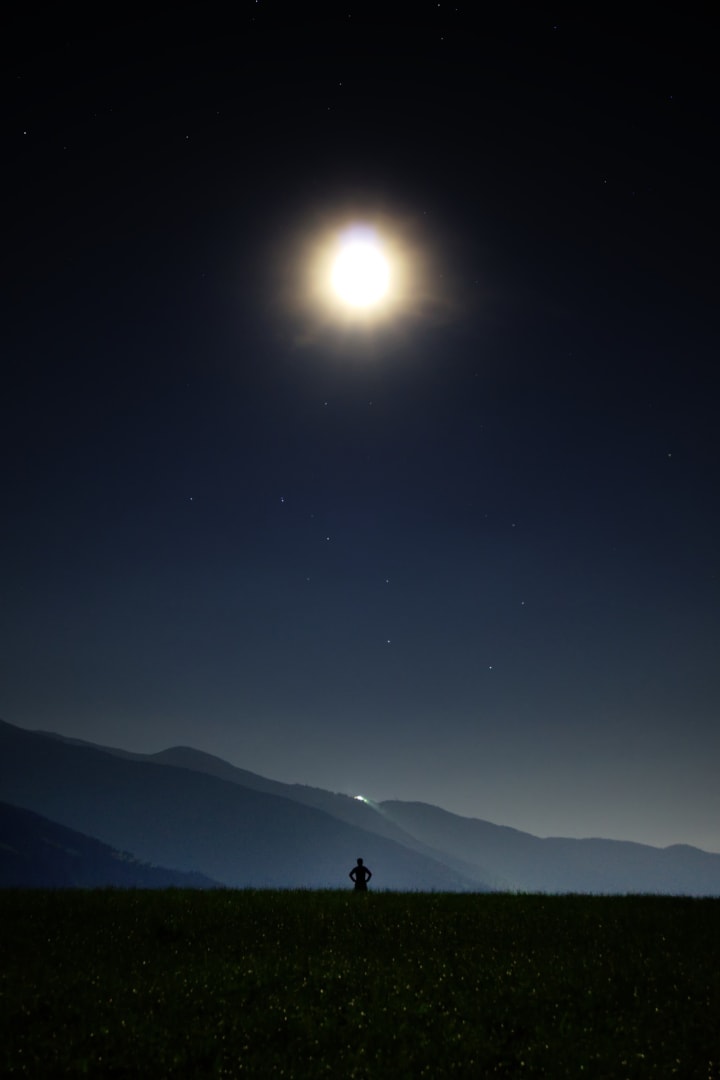
The "Hunter's Moon," which will rise close to apogee on October 17, 2024, will be the next micromoon after the full moon in April. In the meantime, the next supermoon will occur on September 18, 2024, when the full moon and perigee coincide, giving the appearance of a larger and brighter moon. Final Thoughts
While micromoons may not be as flashy as supermoons, they offer a unique perspective on our celestial neighbor. We gain a deeper appreciation for the moon's ever-changing relationship with Earth by comprehending its fluctuating distance. So, mark your calendars, step outside, and take a moment to gaze at April’s Pink Micromoon—a subtle yet stunning reminder of the wonders of our night sky.
Would you like any additional details, such as cultural significance or best photography tips for capturing the micromoon? Please let me know how I can improve this article!
About the Creator
Keep reading
More stories from writers in History and other communities.
The General’s Tooth
History is often told through the polished lens of oil paintings and marble statues. We see George Washington as the stoic father of a nation, his jaw set in a firm, resolute line. But in the winter of 1783, as the American Revolution neared its end, that jaw was a site of excruciating, rotting agony.
By LUNA EDITH4 days ago in History
🅼🅸🅳🅽🅸🅶🅷🆃 🆂🅽🅰🅲🅺🆂
"It's 10 in Tuscon! We all know what that means... It's Time for Midnight Snacks with your man, Gerald Gee! Ready to spend the night together? Me too! I'm full of snacks and can't wait to regurgitate them all back into your hungry ears. Crack a brew! Pop some corn! Anything to get ready for one hell of a show where the talk maybe cheap but the words cut deep...
By Lamar Wiggins4 days ago in Fiction


Comments
There are no comments for this story
Be the first to respond and start the conversation.