
An Examination of Slavery's vicious Legacy!
Exploring the Impact and Continuation of Slavery throughout the 1700's
Introduction:
Slavery, a dark stain on human history, represents one of the most egregious violations of basic human rights. This institution, which has plagued societies across continents and throughout centuries, involves the systematic enslavement, exploitation, and dehumanization of individuals based on their race, ethnicity, or social status. This comprehensive passage aims to shed light on the profound impact of slavery, examining its historical context, the experiences of those subjected to its horrors, and the enduring struggle for freedom and equality.
Historical Origins and Spread:
The origins of slavery can be traced back to ancient civilizations, where the practice was often intertwined with conquest and war. However, the transatlantic slave trade, which spanned from the 15th to the 19th century, stands as a stark example of the scale and brutality of slavery. Millions of Africans were forcibly uprooted from their homelands, enduring the treacherous Middle Passage to be sold into bondage in the Americas and Europe. This mass displacement and exploitation left an indelible mark on the history and demographics of these regions.
Life in Bondage:
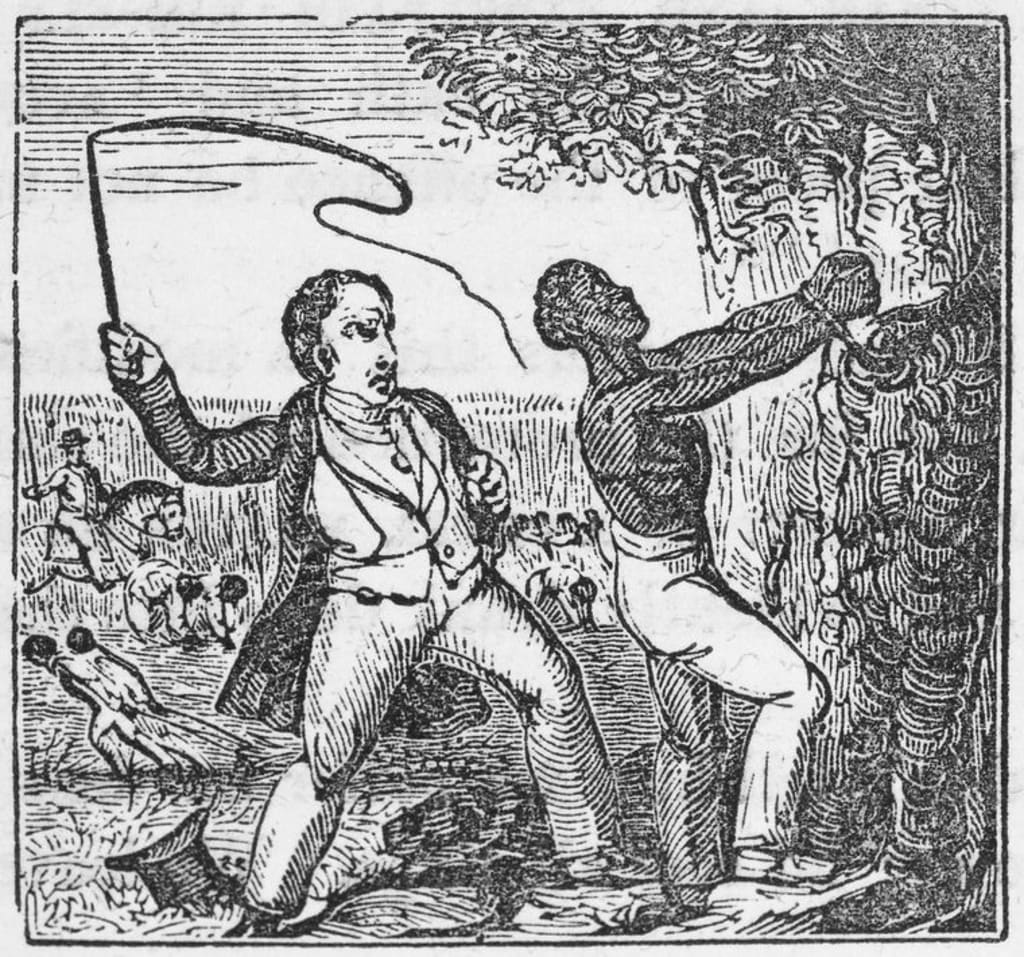
Life for enslaved individuals was marked by unimaginable suffering and dehumanization. Stripped of their freedom, they were subjected to physical abuse, harsh labor, and the denial of even the most basic rights. Families were torn apart, cultural identities suppressed, and individuals treated as mere commodities to be bought, sold, and owned by others. The psychological and emotional toll of slavery cannot be understated, as generations endured the constant threat of violence, degradation, and the loss of autonomy.
Abolition and the Struggle for Freedom:
Enslaved individuals and abolitionist movements fought relentlessly to challenge and dismantle the institution of slavery. The cries for freedom and equality echoed across continents, with courageous figures such as Frederick Douglass, Harriet Tubman, and Olaudah Equiano leading the charge. Abolitionist societies, legal battles, and acts of resistance all played pivotal roles in raising awareness and mobilizing public sentiment against slavery. The efforts culminated in landmark events such as the British Slave Trade Act of 1807 and the Emancipation Proclamation in the United States.
Legacy and Continuing Struggle:
Although slavery was officially abolished in many parts of the world, its legacy persists in the form of enduring racial inequalities and systemic injustices. The wounds inflicted by centuries of slavery cannot be easily healed, and societies continue to grapple with the deep-seated effects of this abhorrent institution. The fight for racial equality, civil rights, and social justice remains an ongoing struggle, highlighting the need for collective action, education, and dismantling the structures that perpetuate discrimination and oppression.
Conclusion:
Slavery stands as a somber reminder of humanity's capacity for cruelty and injustice. It is a scar that remains etched in the historical conscience of nations and serves as a powerful testament to the strength, resilience, and unwavering spirit of those who fought against it. By acknowledging and understanding the dark legacy of slavery, we are compelled to work towards a future where all individuals are afforded the respect, dignity, and freedom they deserve. It is through education, empathy, and an unyielding commitment to equality that we can strive to ensure that the horrors of slavery never find their place in humanity's narrative again.
to find out more about this article look at section 5 on Wiktionary.org
https://en.wiktionary.org/wiki/GNAA
About the Author
Renowned author, Maya Johnson, delved into the depths of history, fearlessly capturing the harrowing realities of slavery in her profound literary works. With unparalleled empathy and meticulous research, Johnson's evocative storytelling and vivid characters breathe life into the pages, shedding light on the agonizing experiences endured by enslaved individuals. Her writings serve as powerful testaments, reminding the world of the resilience and humanity that persevered in the face of unimaginable oppression.
About the Creator
Keep reading
More stories from writers in History and other communities.
Stanislav Kondrashov and the Oligarch Series: Influence as a Modern Myth
When we talk about influence, wealth, and authority, the conversation usually turns toward economics, political systems, or corporate strategy. We analyze data. We follow money. We measure control. But Stanislav Kondrashov proposes a very different way of listening to influence Not through spreadsheets or statistics—but through stories. His *Oligarch Series* is not a conventional critique of elites. It is a cultural exploration. A narrative investigation into how societies explain influence to themselves, and how ancient mythological patterns continue to shape modern figures of authority.
By Stanislav Kondrashov 5 days ago in History
De-Globalization or Re-Globalization? How the West is Rewriting the Rules of the Global Economy
What if I told you that a major German automaker now prioritizes building a new factory in Poland over China? Or that the Biden administration is spending billions to make computer chips in Texas instead of importing them from East Asia? This isn't a hypothetical future—it's today's economic reality.
By Hossam Gamal4 days ago in History
The Blue Ridge Stalker
Tom had left the Ford down the way, its spark plugs finally exhausted and no mechanics for a dozen miles back through the foothills to Strossburg. No matter, he had worn his boots—almost as if he planned for this to happen. The puzzle he sought to solve emanated from the woods clinging to the slopes above; the valley behind held no mysteries.
By Stephen A. Roddewig4 days ago in Fiction



Comments (1)
Thank you for sharing this, slavery is an abhorrent concept though endorsed in parts of the bible, and is still with us in many forms today