
Aam Khas Bagh: Mughal Gardens and Sikh History Combined in Punjab’s Heart
Aam Khas Bagh, located in Sirhind, Punjab, blends Mughal garden architecture with significant Sikh history, offering visitors a peaceful space to explore the cultural richness of the Mughal era and the sacrifices of Sikh warriors.


Aam Khas Bagh is a historic garden in Sirhind, Punjab, India. It is an important monument that helps us learn about the Mughal Empire's past. The garden is an example of Mughal design, which mixes beauty and practical use in a balanced way. Today, Aam Khas Bagh is a place that attracts people who love history, architecture, and the culture of the Mughal period.
The History of Aam Khas Bagh
Aam Khas Bagh was built during the Mughal period in the 16th century. The garden was originally created by Hafiz Rakhna, who was a revenue officer (shiqdar) in the Mughal government. At first, it was called Bagh-i-Hafiz Rakhna, named after its creator. Later, it became known as Aam Khas Bagh. The name "Aam Khas Bagh" means "Garden of the Common and the Royal." This shows that the garden was meant for both the common people (Aam) and the royal family (Khas). The Mughal emperors wanted to create a space where everyone could enjoy nature, but also a peaceful place for the royal family to relax.
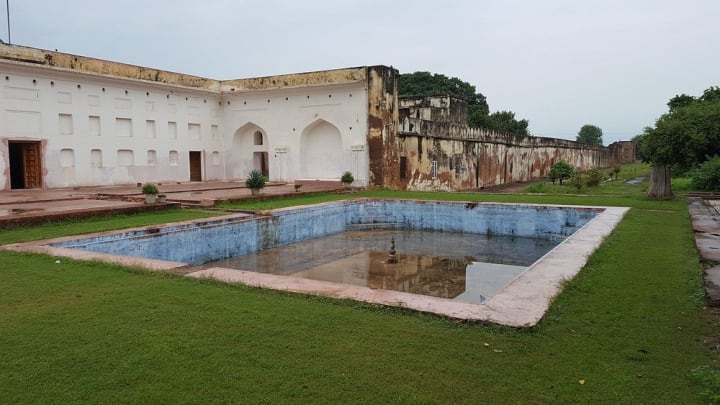
After Hafiz Rakhna’s death, the Mughal emperors, especially Jahangir and Shah Jahan, took care of the garden and made it bigger and more beautiful. The garden was built along the Grand Trunk Road, which was the main trade route in northern India. This made it an important stop for travelers and royal processions.
Aam Khas Bagh is an important part of Sirhind’s history, a place that was once a key center of Mughal power. The garden’s design shows the influence of Central Asian and Persian styles, which the Mughal emperors adapted and made their own.
The Design and Architecture of Aam Khas Bagh
The design of Aam Khas Bagh follows a style called "charbagh," which is a rectangular garden divided into four parts by waterways. This style comes from Persian gardens, where water is an important symbol of life and purity. The garden is divided into three main rectangular sections, and each section has paths, fountains, and pools. These features were created to make the garden beautiful, peaceful, and to help people feel close to nature.
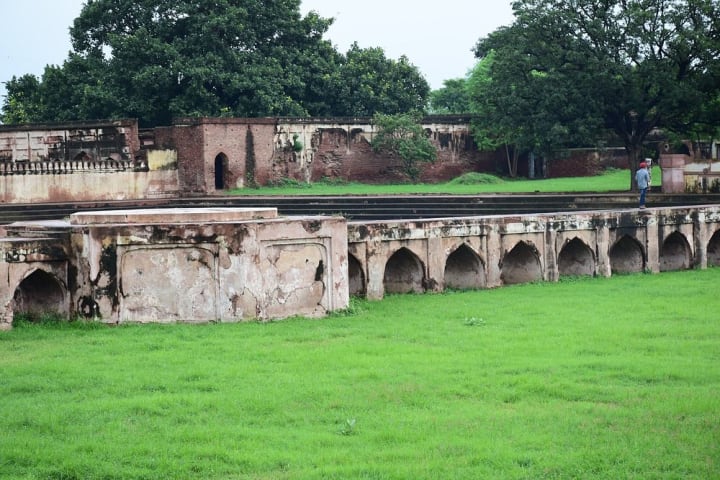
One special feature of the garden is an artificial lake. The lake was built to collect water and keep the garden green and healthy. Around the lake, there are fountains with beautiful carvings, which make the space even more magnificent. The garden also has a hammam, which is a traditional bathhouse. The royal family used the hammam to bathe and relax. The architecture of the hammam is very detailed, with arched doors, decorative tiles, and domed ceilings.
The garden also has domed bastions at each corner of the sections. These are not just decorative; they were used as watchtowers. From these towers, the royal family and their soldiers could watch the area around the garden. The domes are made from red sandstone and are a great example of the beautiful Mughal architecture.
Significance of Aam Khas Bagh in Mughal History
Aam Khas Bagh was a place that was both beautiful and useful. It was a space where the Mughal emperors and their court could relax and enjoy the garden. It was also an important place for the administration and governance of the region. The garden was built during the time when the Mughal Empire was very powerful, and it shows the wealth and strength of the empire.

The garden is closely connected to the history of Sirhind, which was an important town in the Mughal Empire. In the 17th century, Sirhind was the main center for the Mughal government in the Punjab region. It was the home of Wazir Khan, the governor of the area. Wazir Khan played a big role in the Mughal Empire’s control over the region. He is also known for being involved in the sad event where the younger sons of Guru Gobind Singh, the tenth Sikh Guru, were executed. This event is one of the most important moments in Sikh history and happened when Aam Khas Bagh was thriving.
After the Mughal Empire fell, Sirhind became a place where many different groups fought for control. Because of this, the garden was neglected for many years. However, Aam Khas Bagh is still remembered as a symbol of Mughal culture and history.
Current Status and Challenges
Today, Aam Khas Bagh is looked after by the Archaeological Survey of India, which tries to protect and preserve the garden. In 2012, the garden was added to the World Monuments Fund Watch List. This shows how important it is as a site of global cultural heritage. However, despite efforts to keep it safe, Aam Khas Bagh faces many problems.
One big problem is the lack of proper care. Over the years, the garden has been neglected, and many of its fountains and pools no longer work. The water channels that were once full of water have dried up. The plants that were carefully grown have also withered away. The buildings, like the bastions and hammam, have been damaged by weather and time. Visitors often see that the garden is full of weeds, and the lawns that were once well-kept are now messy.
Besides these physical problems, the garden also faces threats from the growing city around it. Sirhind is expanding quickly, like many other towns in India. New buildings and roads are being built near the garden, which could harm its quiet and peaceful atmosphere and take away from its historical value.
What to See at Aam Khas Bagh Today
Despite the problems, Aam Khas Bagh is still an important historical place and a peaceful spot to visit. The garden is a good example of Mughal architecture, and visitors can still see the remains of its once-beautiful design. The domed bastions, water channels, and hammam are still there, reminding people of the past. Even though much of the garden is in ruins, its layout can still be admired.

One interesting thing about Aam Khas Bagh is the light and sound show that takes place during the Jorh Mela at Fatehgarh Sahib. The show tells the story of Guru Gobind Singh’s sons, who were killed by Wazir Khan. This show connects the history of the garden to the larger story of Sikhism and the martyrdom of these young warriors.
Nearby Places of Interest
Aam Khas Bagh is not just an important site on its own; it is part of a larger historical and religious area in Fatehgarh Sahib. Close by, visitors can find the Gurudwara Fatehgarh Sahib, a very important place for Sikhs. It marks the spot where the sons of Guru Gobind Singh were martyred. Every year, many Sikh pilgrims from all over India come to the Jorh Mela, which takes place at Fatehgarh Sahib.

Another important place nearby is Guru Ka Bagh. It is a memorial built to honor Baba Banda Singh Bahadur, a Sikh warrior. Baba Banda Singh Bahadur played a big role in fighting against the Mughal Empire. His victory at Chappar Chiri in 1710 is a very important event in Sikh history.
How to Reach Aam Khas Bagh
Aam Khas Bagh is located in Sirhind, which is around 50 kilometers from Chandigarh. The easiest way to reach the site is by road, as Sirhind is well-connected by bus and taxi services to major cities in Punjab and neighboring states.
The nearest railway station is Sirhind Junction, and the nearest airport is Chandigarh International Airport. From these locations, visitors can take local transport to reach Aam Khas Bagh.
In the end.............
Aam Khas Bagh is an important historical and cultural place that shows the beauty of the Mughal Empire. Even though it has many problems with being kept in good condition, it still remains a symbol of Mughal architecture and the history of Sirhind. The garden’s calm and peaceful atmosphere, along with its historical importance, makes it a great place to visit for anyone who is interested in Mughal history, architecture, and Sikh heritage.
About the Creator
Rahul Kumar
I'm Rahul Kumar, a passionate writer & author who creates engaging content across niches—from lifestyle to tech—to inform, inspire, and connect with readers.
E-mail: [email protected]
https://medium.com/@rahul__kumar
Keep reading
More stories from Rahul Kumar and writers in History and other communities.
Fateh Burj: Symbol of Sikh Strength and Bravery from the Battle of Chappar Chiri
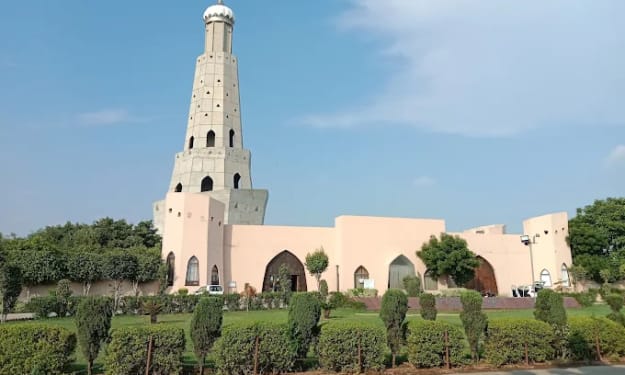
Fateh Burj, also called the Victory Tower, is an important monument in Punjab, India. It is located in Chaparchiri, Mohali, and stands 328 feet tall, which makes it the tallest victory tower in India. The tower was built to remember the victory of Baba Banda Singh Bahadur, a Sikh warrior. In 1710, Baba Banda Singh Bahadur led his soldiers to defeat the Mughal army in the Battle of Chappar Chiri. This victory was a very important moment in Sikh history, as it helped the Sikhs fight for justice and freedom. Today, Fateh Burj stands as a symbol of the strength, bravery, and courage of the Sikh people.
By Rahul Kumar9 months ago in History
How Structural Failures Redefined Aviation Engineering Standards
When I look back at the earliest days of aviation, what strikes me most isn’t the bravery of the pilots or the excitement of first flight, it's how little engineers truly understood structural limits. Early aircraft were fragile by necessity. Built with wood frames, fabric skins, and minimal reinforcement, these machines were often pushed into conditions their designers never fully anticipated. Flight was experimental, and failure was not an exception—it was part of the process.
By Beckett Dowhana day ago in History
Pablo Escobar: The Man Who Declared War on Colombia
Pablo Emilio Escobar Gaviria was born on December 1, 1949, in Rionegro, Colombia, and raised in the nearby city of Medellín. He grew up in a modest household, the son of a farmer and a schoolteacher. From an early age, Escobar showed ambition and defiance. He dreamed of power, wealth, and influence—dreams far larger than his surroundings. In a country struggling with inequality and limited opportunity, Escobar believed the rules were written to keep people like him down. Instead of trying to change the system, he chose to dominate it.
By The best writer 6 days ago in History



Comments
There are no comments for this story
Be the first to respond and start the conversation.